






What's Happening?
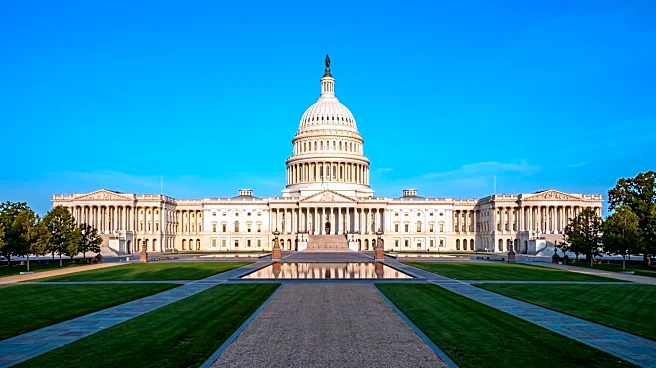
The United States Senate Committee on Agriculture, Nutrition, and Forestry has approved a new farm bill, advancing it for consideration by the full Senate. This legislation is a significant step in shaping agricultural, conservation, nutrition, and forestry
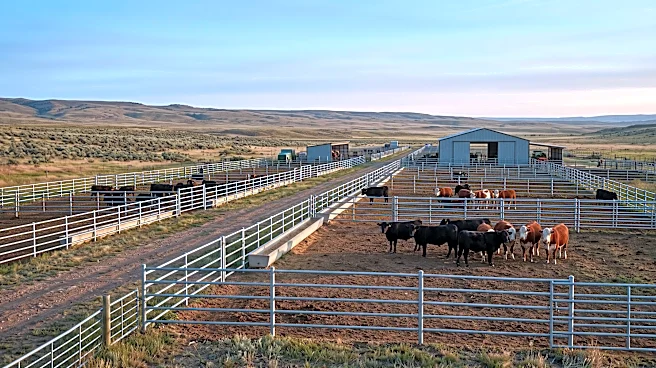
policies. Key provisions include expanding programs for animal health and disease management, such as making the Feral Swine Eradication and Control Program permanent. The bill also proposes to more than double funding for agricultural export promotion programs, aiming to enhance market access for U.S. agricultural products internationally. Additionally, it seeks to increase investments in national animal health programs, including the National Animal Health Laboratory Network and the National Animal Disease Preparedness and Response Program, and allows for the carryover of unused funds from animal health and disease research programs to ensure continuous scientific work.
Why It's Important?
This farm bill holds substantial importance for the U.S. agricultural industry, impacting farmers, ranchers, food systems, and rural communities. The increased funding for agricultural export promotion programs is crucial for strengthening the competitiveness of American agriculture in global markets, potentially leading to greater economic stability for producers. The emphasis on animal health and disease prevention is vital for protecting the nation's livestock and food supply from threats like invasive pests and diseases, which can cause significant economic losses and public health concerns. By supporting ongoing scientific research and preparedness initiatives, the bill aims to safeguard the long-term viability and security of U.S. food production systems. The inclusion of animal protein products in nutrition incentive programs also offers new opportunities for livestock producers while providing consumers with additional healthy food choices.
What's Next?
The farm bill will now move to the full Senate for a vote. While it has broad support from agricultural organizations, some groups may continue to advocate for additional changes before its final passage. Stakeholders will closely monitor its progress and potential modifications as it moves through the legislative process. If passed, the bill will serve as a foundational document for numerous agricultural programs for the next five years, influencing conservation initiatives, nutrition assistance, agricultural research, and export development. The outcome will determine how key farming programs are funded and managed, shaping the future of U.S. agriculture and its ability to compete globally and ensure food security.
Beyond the Headlines
Beyond its immediate policy implications, this farm bill reflects a broader strategic vision for U.S. agriculture in an increasingly complex global environment. The focus on animal health and disease prevention underscores a proactive approach to biosecurity, recognizing that localized outbreaks can have national and international economic repercussions. The push for increased agricultural exports is not just about economic gain but also about projecting U.S. influence and soft power through food diplomacy. Furthermore, the bill's provisions for agricultural research and the establishment of dog-training facilities for identifying agricultural threats at ports of entry highlight an evolving understanding of national security that includes safeguarding the food supply. This legislation represents an effort to future-proof the U.S. agricultural sector against emerging challenges, from climate change to global pandemics, by investing in resilience, innovation, and international competitiveness.