



What's Happening?
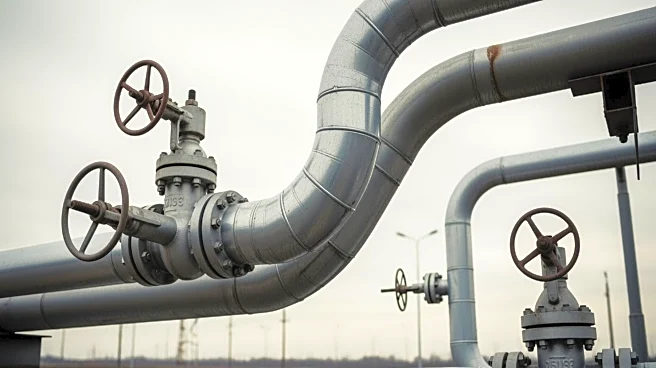
Hungary and Slovakia have turned to Croatia for assistance in securing Russian oil supplies following disruptions in the Druzhba pipeline, which runs through Ukraine. The disruption, attributed to a Russian attack on a Ukrainian pipeline, has halted oil flows
to Eastern Europe since January 27. In response, Hungary's Foreign Minister Peter Szijarto announced that Hungary and Slovakia have requested Croatia to allow Russian oil to be transported via the Adria pipeline. This move comes as Hungary's oil company MOL initiated the release of strategic crude reserves to maintain supply security. The Adria pipeline, running from the Croatian port of Omisalj, is seen as a critical alternative route. Croatia has expressed willingness to assist, ensuring compliance with EU law and U.S. regulations. The situation has been further complicated by political tensions, with accusations from Ukraine that Hungary is not publicly addressing the pipeline incident due to its alliance with Russia.
Why It's Important?
The disruption of the Druzhba pipeline and the subsequent reliance on the Adria pipeline highlight the geopolitical complexities surrounding energy security in Europe. Hungary and Slovakia's dependence on Russian oil underscores the challenges faced by EU countries in balancing energy needs with political alliances and sanctions. The situation also reflects broader tensions between Ukraine and Hungary, with Ukraine accusing Hungary of using the pipeline issue to pressure political decisions regarding EU membership. The involvement of Croatia as a potential transit route for Russian oil could have significant implications for regional energy dynamics and EU energy policy. Additionally, the release of strategic reserves by Hungary's MOL indicates the urgency of maintaining energy supplies amid ongoing geopolitical tensions.
What's Next?
Hungary and Slovakia will likely continue to seek alternative routes and solutions to secure their energy supplies. The first shipments of seaborne crude oil are expected to arrive in Croatia by early March, with further logistical arrangements needed to ensure a steady supply to refineries. The EU's response to the situation, particularly in terms of sanctions and energy policy, will be closely watched. The ongoing political dynamics between Ukraine, Hungary, and Russia may also influence future developments, with potential impacts on EU membership discussions and regional alliances. Stakeholders will need to navigate these complexities to ensure energy security while addressing broader geopolitical concerns.