





What's Happening?
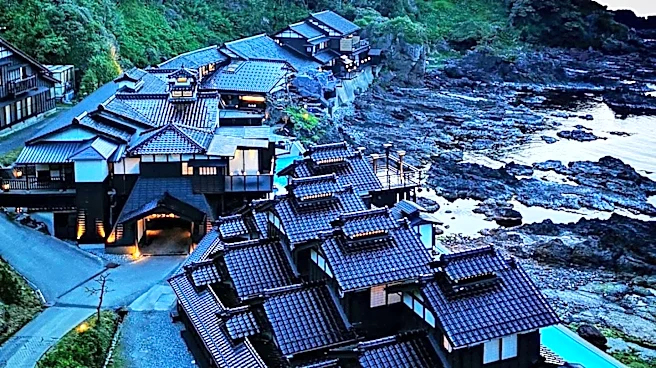
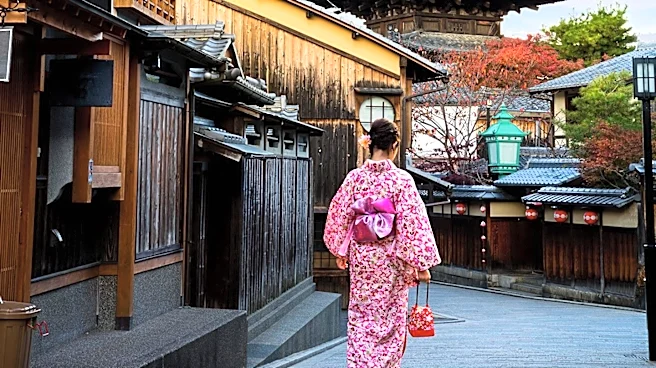
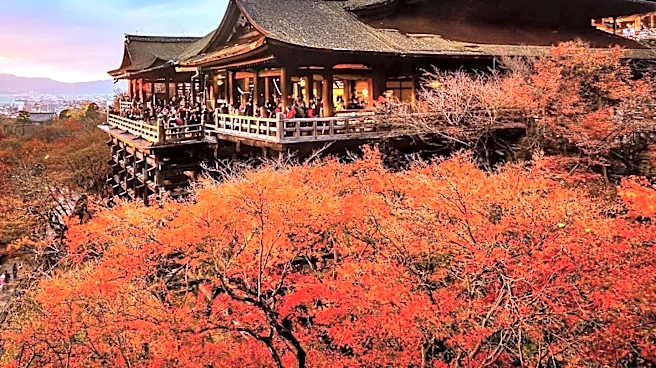
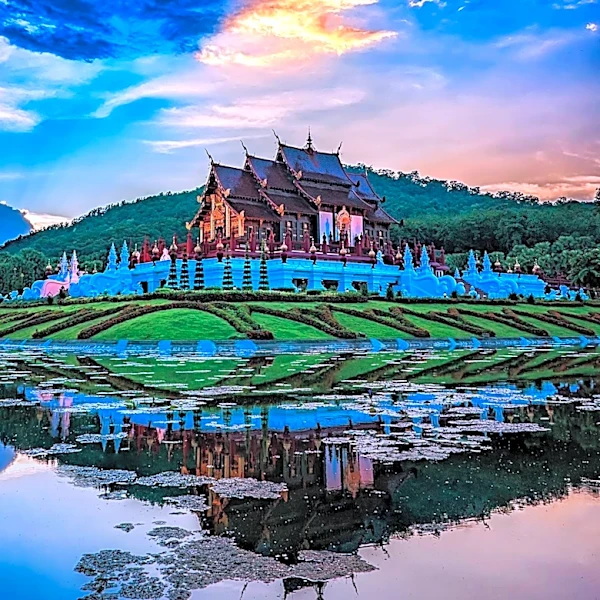
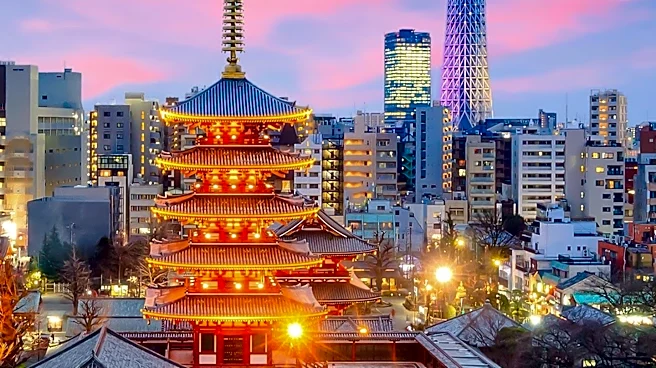
Kyoto, Japan, is being highlighted as the "cradle" of Japan's cultural heritage. This city served as the country's capital and the emperor's residence from the 8th to the 19th centuries. It is renowned for its ancient temples, tranquil gardens, and traditional
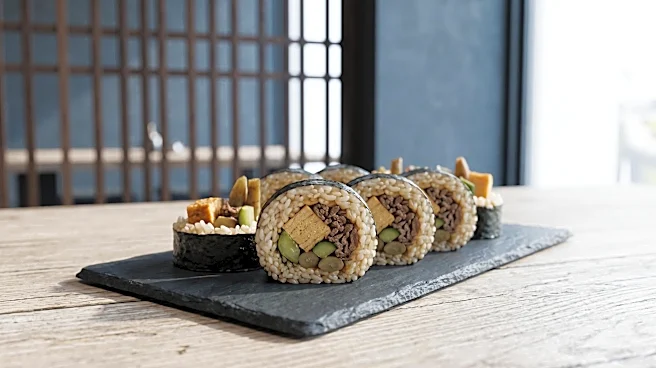
geisha districts. Beyond its historical significance, Kyoto is also celebrated as the spiritual home of Japanese cuisine, offering unique culinary experiences such as kaiseki and tempura. The city's seasonal beauty, particularly during autumn, further enhances its appeal. Its rich history and cultural depth make it a significant destination for understanding Japanese traditions and aesthetics.
Why It's Important?
Kyoto's designation as a cultural and culinary epicenter is important for several reasons. For the tourism industry, it reinforces Kyoto's position as a premier global destination, attracting visitors interested in authentic Japanese culture, history, and gastronomy. This influx of tourism supports local businesses, from traditional craftspeople to high-end restaurants. Culturally, it emphasizes the preservation and promotion of Japan's historical legacy, ensuring that ancient traditions and architectural marvels continue to be appreciated and maintained. Economically, the city's reputation for exquisite cuisine, like kaiseki and tempura, elevates Japanese culinary arts on the international stage, potentially influencing global food trends and fostering culinary exchange. The focus on Kyoto's seasonal beauty also promotes sustainable tourism practices, encouraging visitors to experience the city throughout the year, rather than concentrating solely on peak seasons.
What's Next?
Given Kyoto's established reputation, the focus will likely remain on maintaining its cultural integrity while accommodating growing tourism. Efforts may include developing new cultural experiences that delve deeper into its history and traditions, potentially expanding beyond the most well-known sites to lesser-explored areas. There could also be an increased emphasis on promoting sustainable tourism initiatives to manage visitor numbers and preserve the city's delicate environment and cultural sites. Culinary institutions in Kyoto may continue to innovate while upholding traditional methods, further solidifying its status as a gastronomic destination. Additionally, educational and cultural exchange programs could be enhanced to share Kyoto's unique heritage with a broader international audience, fostering a deeper understanding of Japanese culture.
Beyond the Headlines
Beyond its immediate appeal, Kyoto's enduring status as a cultural heartland reflects a broader societal value placed on heritage preservation and continuity. In an increasingly globalized world, Kyoto serves as a powerful example of how a city can evolve while steadfastly retaining its historical identity and traditions. This commitment to the past, evident in its architecture, arts, and daily life, offers a counter-narrative to rapid modernization, suggesting that cultural depth can be a source of strength and attraction. The city's emphasis on seasonal beauty also highlights a profound connection to nature, influencing its aesthetics and culinary practices. This holistic approach to culture, where history, art, food, and environment are intertwined, provides a model for other regions seeking to balance progress with preservation.