






What's Happening?
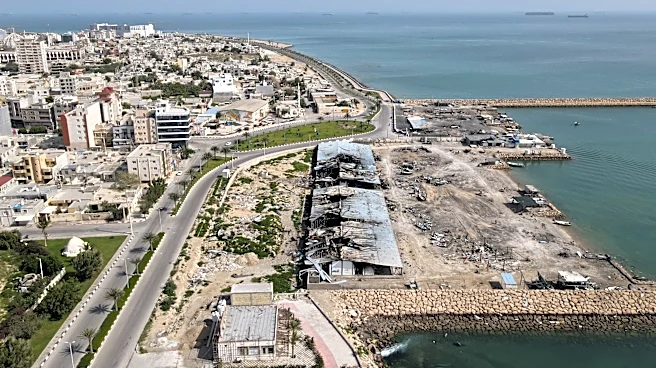
The Director-General of the Food and Agriculture Organization of the United Nations (FAO), QU Dongyu, addressed the significant impact of the ongoing crisis in the Gulf region on global agrifood systems during the 180th Session of the FAO Council. The closure
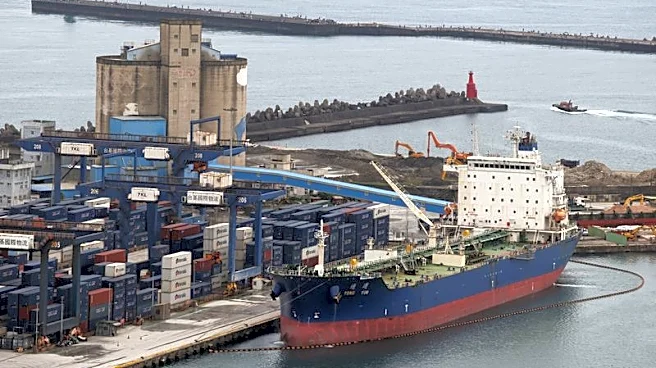
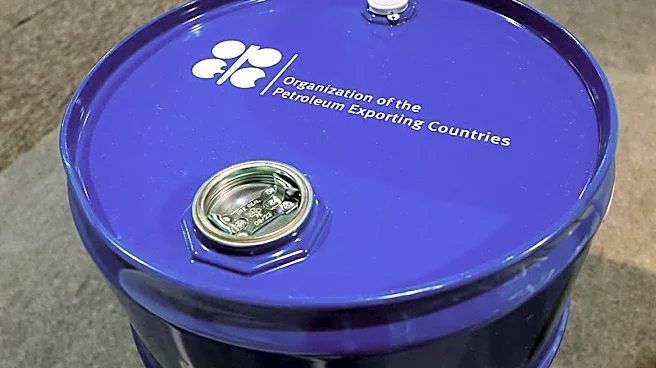
of the Strait of Hormuz, a vital maritime route, has led to a dramatic reduction in tanker traffic, affecting the global supply of oil, liquefied natural gas, and fertilizers. This disruption has caused a sharp increase in fertilizer prices, with Middle Eastern granular urea prices rising by 20% in a week, and further increases observed in the United States and Brazil. The crisis has also impacted food imports, energy prices, and farmer margins, with potential long-term effects on agricultural productivity and food security.
Why It's Important?
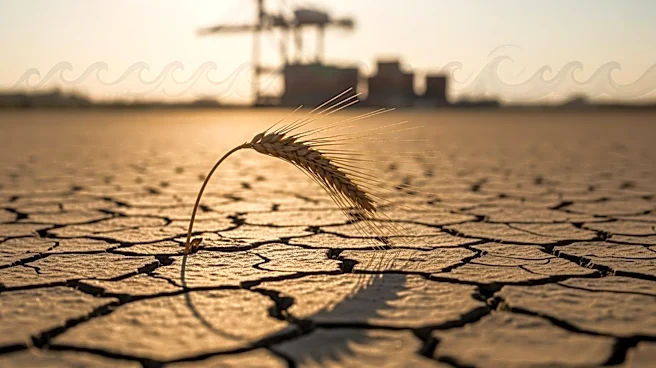
The crisis in the Strait of Hormuz poses a significant threat to global food security, particularly for countries heavily reliant on imports from the Gulf region. Rising fertilizer prices and disrupted supply chains could lead to increased food prices and reduced agricultural yields, exacerbating hunger and food insecurity in vulnerable regions. The FAO's call for a coordinated policy response highlights the need for immediate and long-term strategies to mitigate these impacts. The situation underscores the interconnectedness of global agrifood systems and the potential for regional conflicts to have far-reaching consequences on food security and economic stability worldwide.
What's Next?
The FAO has outlined several immediate and medium-term measures to address the crisis, including developing alternative trade routes, enhancing market monitoring, and providing financial support for farmers. In the long term, the focus will be on diversifying import sources and investing in sustainable agriculture and renewable energy. The FAO's proactive measures aim to prevent a catastrophic impact on global agrifood systems and ensure food security. The organization's efforts will require international cooperation and resources to implement effectively.