


What's Happening?
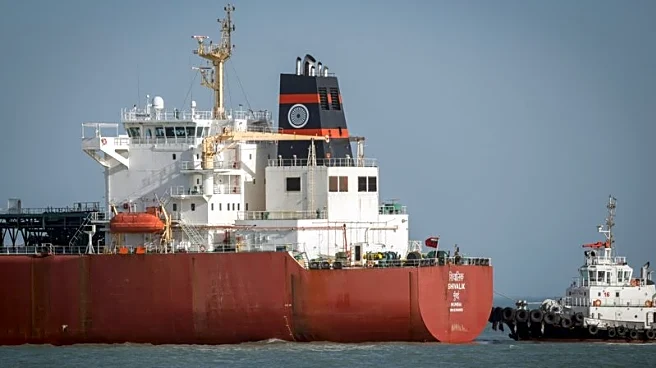
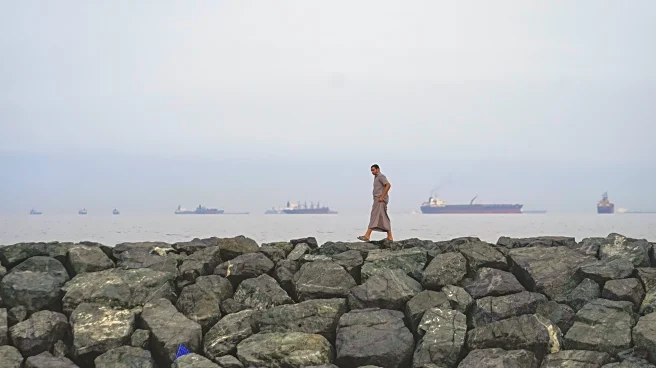
The Trump administration has temporarily eased sanctions on Russian oil, allowing the purchase of oil already at sea. This decision, announced by Treasury Secretary Scott Bessent, is intended to address high oil prices amid global supply disruptions.
The authorization applies to petroleum products loaded onto ships on or before the announcement date and will last for one month. The move aims to increase the global reach of existing supply without significantly benefiting the Russian government financially. However, this decision has faced criticism from congressional Democrats and international leaders, who argue it could undermine efforts to pressure Russia over its invasion of Ukraine. French President Emmanuel Macron and U.K. Minister for Energy Michael Shanks have expressed concerns about the potential impact on sanctions against Russia.
Why It's Important?
The easing of sanctions on Russian oil by the Trump administration is significant as it highlights the complex balance between addressing global energy needs and maintaining pressure on Russia. The decision could potentially provide financial relief to oil importers but risks undermining the sanctions designed to limit Russia's ability to finance its military actions in Ukraine. Critics argue that this move could inadvertently benefit Russian President Vladimir Putin by allowing increased oil shipments, thus providing a financial boost to Russia. The situation underscores the challenges faced by the U.S. and its allies in maintaining a unified stance on sanctions while managing the economic impacts of global conflicts.
What's Next?
The temporary easing of sanctions is likely to prompt further debate among U.S. lawmakers and international leaders. The U.S. administration may face pressure to reassess its approach to sanctions and consider additional measures to mitigate the impact on global energy markets. The situation could also lead to increased diplomatic discussions with allies to ensure a coordinated response to Russia's actions. Additionally, the potential for further geopolitical tensions remains, as stakeholders evaluate the implications of the U.S. decision on the broader sanctions regime.