






What's Happening?
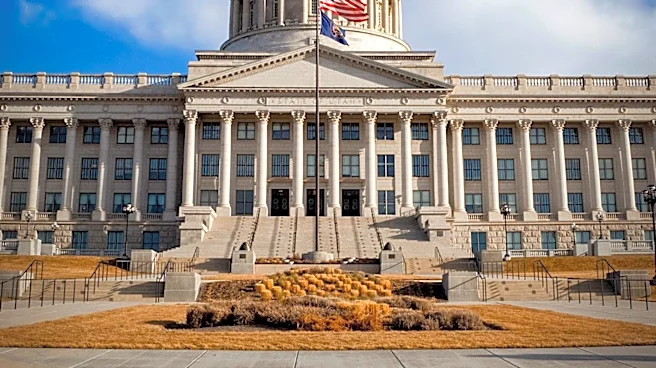
Utah Governor Spencer Cox has urged data center developers to enhance their efforts in safeguarding air quality, water resources, and utility ratepayers within the state. This call comes as the U.S. data center boom faces significant challenges, including
physical constraints like equipment and labor shortages, and growing public opposition. For instance, a controversial 9-gigawatt project in northern Utah saw its proposal scaled down after the host county imposed a six-month moratorium on data center construction. Similarly, Texas Governor Greg Abbott directed state regulators to ensure data centers fully fund their electric infrastructure costs to prevent these expenses from being passed on to residential ratepayers, subsequently halting new data center interconnections pending an audit. These actions highlight a broader trend of increased scrutiny and pushback against large-scale computing facilities due to concerns about their environmental and economic impacts.
Why It's Important?
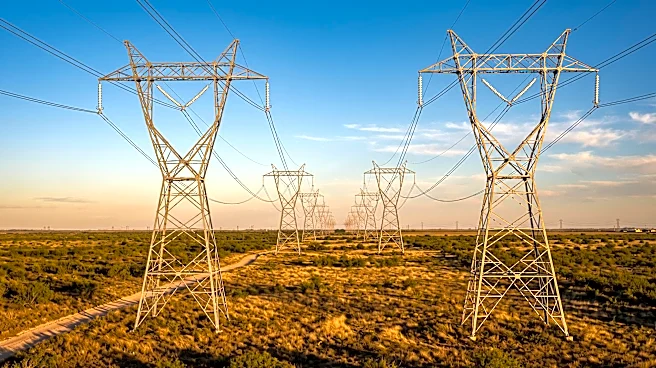
The increasing scrutiny from state leaders like Governor Cox and Governor Abbott underscores a critical shift in how data center development is perceived and regulated in the U.S. The rapid expansion of data centers, driven by demand for AI and other digital services, is projected to account for up to 17% of U.S. electricity demand by 2030 and 20% by 2035, according to the Electric Power Research Institute. This growth places immense pressure on existing infrastructure and natural resources, leading to concerns about power grid stability, water consumption, and local environmental quality. The actions taken by state governors and local authorities reflect a growing recognition that the economic benefits of data centers must be balanced against their potential negative impacts on communities and the environment. This could lead to more stringent regulations, higher operational costs for developers, and a potential slowdown in the pace of data center expansion in certain regions, affecting the broader tech and energy sectors.
What's Next?
The increased regulatory pressure and public opposition are likely to lead to more complex and prolonged development processes for data centers. Developers will need to prioritize sustainable practices, including water conservation and carbon neutrality, and engage more proactively with local communities to address their concerns. State regulators may implement new policies requiring data centers to demonstrate self-sufficiency in terms of power generation or to contribute more significantly to local infrastructure improvements. The industry may also see a shift towards more flexible load management solutions, such as using software to optimize grid usage or ramping down computing loads during peak demand, as suggested by Portland General Electric's use of AI-powered load modeling. Furthermore, the focus might shift to regions with existing spare grid capacity or towards smaller, more distributed data center models that can integrate more easily into local grids without requiring extensive new infrastructure.
Beyond the Headlines
Beyond the immediate challenges of permitting and resource allocation, the evolving landscape for data centers touches upon deeper ethical and societal questions. The debate over data center development highlights the tension between technological advancement and environmental stewardship, as well as the balance between corporate interests and community well-being. The push for age verification systems for digital content, as seen in Utah's new excise tax on content harmful to minors, also reflects a growing concern about the societal impact of digital platforms and the need for greater accountability. This broader conversation could lead to a re-evaluation of the true cost of digital infrastructure, prompting innovations in energy efficiency, resource management, and community engagement that could set new standards for sustainable technological growth in the U.S.