







What's Happening?
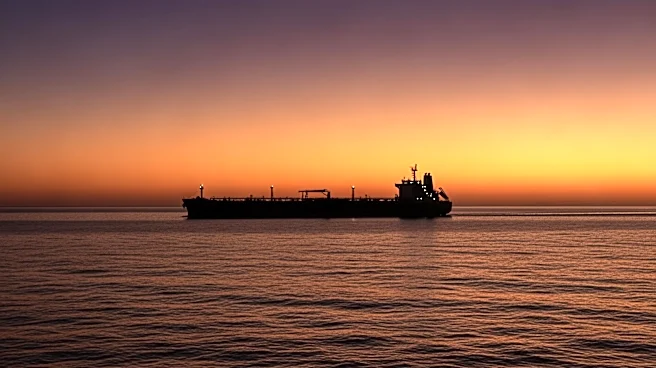
Several African countries are heavily reliant on oil imports from the Strait of Hormuz, a critical global energy chokepoint. According to UN Trade and Development data, disruptions in this region could lead to significant economic shocks for these countries.
The reliance on imported oil makes these economies vulnerable to price spikes and supply chain disruptions. This dependence forces difficult trade-offs between financing fuel imports and funding essential public services. The situation highlights the need for energy diversification to mitigate the risks associated with external energy shocks.
Why It's Important?
The dependence on oil imports from the Strait of Hormuz exposes African economies to potential energy crises, which could exacerbate existing economic vulnerabilities. Rising energy costs can lead to inflation, increased fiscal deficits, and constrained public investment, affecting overall economic stability. The situation underscores the importance of developing alternative energy sources and enhancing energy security to reduce reliance on volatile global markets. The broader implications extend to global energy markets, where disruptions in key supply routes can have far-reaching effects on energy prices and economic stability.
Beyond the Headlines
The reliance on oil imports from the Strait of Hormuz raises questions about the long-term sustainability of energy policies in African countries. The situation highlights the need for investment in renewable energy and infrastructure to reduce dependence on fossil fuels. It also underscores the importance of international cooperation in addressing energy security challenges and promoting sustainable development. The potential for energy diversification presents an opportunity for African countries to enhance their resilience to external shocks and foster economic growth through sustainable energy solutions.