






What's Happening?
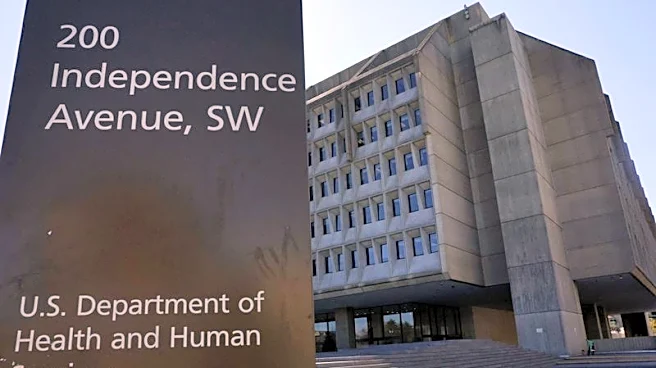
As the U.S. experiences more frequent and intense heatwaves, the protection of workers from heat-related illnesses is becoming increasingly urgent. The Occupational Safety and Health Administration (OSHA) has attempted to introduce a federal heat standard,
but no such regulation currently exists. Only seven states, including California and Washington, have established their own enforceable heat standards. These standards vary significantly, with some states requiring specific measures like providing shade and water when temperatures exceed certain thresholds. In contrast, states like Florida and Texas have passed legislation preventing localities from setting their own heat protection rules.
Why It's Important?
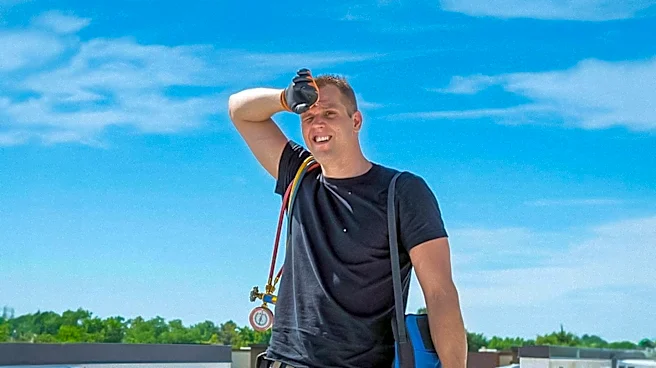
The lack of a federal heat standard leaves many workers, particularly those in outdoor industries like construction and agriculture, vulnerable to heat-related illnesses and fatalities. The patchwork of state regulations creates inconsistencies in worker protection, potentially leading to higher health risks in states without stringent standards. The rising number of heat-related worker deaths underscores the need for comprehensive and uniform safety measures. The situation highlights the broader challenge of addressing climate change impacts on labor conditions and public health.
What's Next?
Efforts to establish a federal heat standard may continue, but progress could be slow due to political and regulatory hurdles. States without existing heat protections may face pressure to implement their own standards, especially as heatwaves become more common. The ongoing debate over worker safety in extreme temperatures could influence future legislative sessions, with more states potentially proposing heat safety regulations.