


What's Happening?
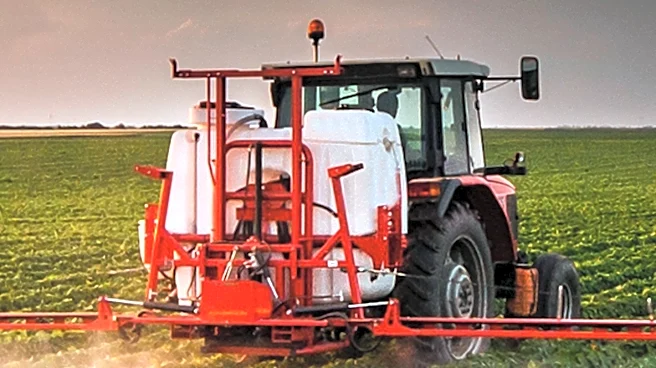
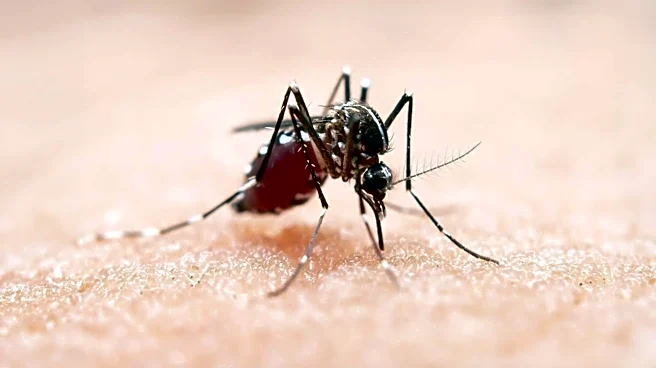
West Baton Rouge Parish has commenced spray truck operations from Tuesday through Thursday in response to four mosquito samples testing positive for West Nile virus. The positive samples were identified in trap sites located in two areas north of the
parish and one between Port Allen and Brusly. Parish officials noted a general increase in mosquito populations across the area. To combat this, enhanced control measures are being implemented, focusing on the affected zones. These measures include daytime treatments for mosquito larvae and multiple nighttime spray truck missions. Additionally, a parish-wide spray is scheduled during this period. Residents are advised to take preventative actions such as emptying standing water containers weekly, repairing broken screens, wearing long clothing, and using mosquito repellent with DEET or picaridin, especially during dusk and dawn. Historically, July and August are peak months for West Nile virus activity in Louisiana, but favorable weather conditions can extend the threat into later months like October and November.
Why It's Important?
The detection of West Nile virus in West Baton Rouge Parish underscores a recurring public health challenge in Louisiana, particularly during warmer months. The virus, transmitted by mosquitoes, can cause serious neurological illnesses in humans, though most infected individuals experience mild or no symptoms. The parish's swift action with targeted spraying and public advisories is crucial for mitigating potential outbreaks and protecting residents. This situation highlights the ongoing need for robust mosquito surveillance and control programs to prevent the spread of vector-borne diseases. The public health implications extend to healthcare systems, which could face increased patient loads if the virus spreads widely. Furthermore, the economic impact on local communities can be significant, as public health concerns can affect outdoor activities and local commerce. Proactive measures are essential to safeguard community well-being and minimize the burden on public health resources.
What's Next?
Following the current spraying operations, West Baton Rouge Parish will likely continue its mosquito surveillance efforts, monitoring trap sites for further West Nile virus activity and overall mosquito population levels. Public health officials will assess the effectiveness of the enhanced control measures. Residents should remain vigilant and continue to follow recommended personal protection guidelines, as the threat of mosquito-borne illnesses can persist into the fall. The parish may issue further advisories or implement additional spraying campaigns if new positive samples are found or if mosquito populations remain high. Collaboration between parish authorities and state health departments will be ongoing to track disease trends and coordinate responses. The long-term strategy will involve sustained public education campaigns to encourage community participation in reducing mosquito breeding sites.
Beyond the Headlines
The recurring threat of West Nile virus in regions like West Baton Rouge Parish points to broader environmental and public health considerations. Climate patterns, including rainfall and temperature, significantly influence mosquito breeding cycles and the prevalence of mosquito-borne diseases. As climate conditions shift, the geographical range and intensity of these threats could change, necessitating adaptive public health strategies. The reliance on chemical spraying, while effective in the short term, also raises questions about environmental impact and the potential for mosquito resistance over time. This situation underscores the importance of integrated pest management approaches that combine chemical controls with biological methods, habitat modification, and community engagement. Furthermore, the development of advanced surveillance technologies, such as AI tools for mosquito egg counting, could revolutionize how public health agencies monitor and respond to vector-borne disease threats, offering more precise and efficient interventions.