




What's Happening?
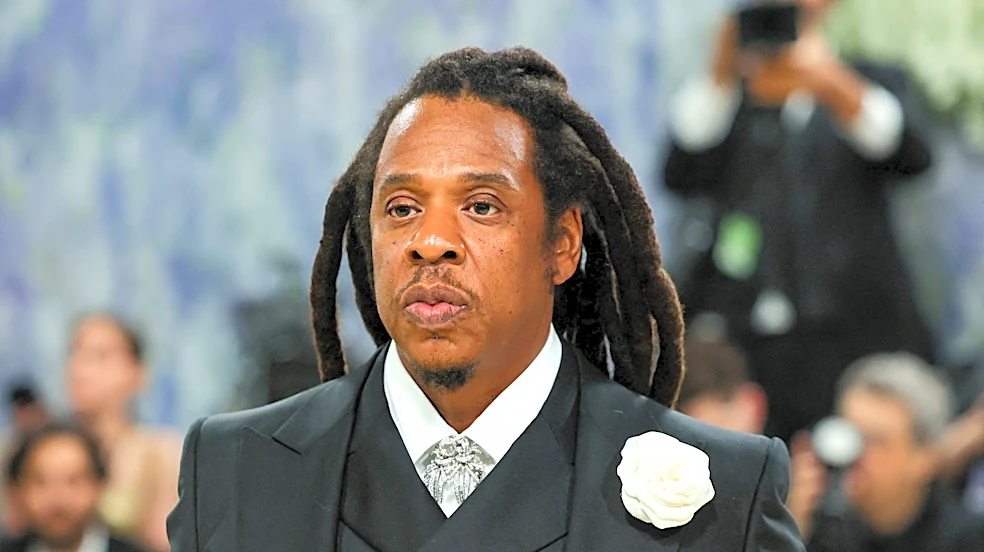
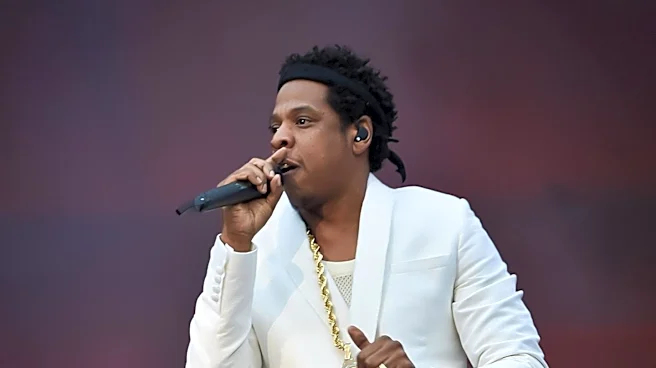
Nuri Muhammad, a Nation of Islam minister, asserted during a 'Club Shay Shay' conversation with Shannon Sharpe that Jay-Z's lyrical talent and its potential to uplift Black communities are more valuable than a billion-dollar financial contribution. Muhammad praised
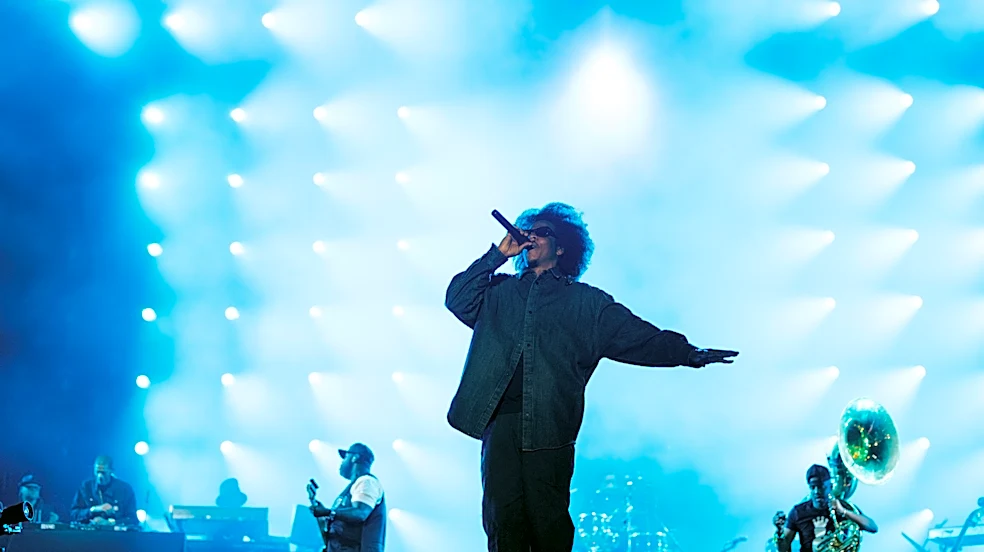
Jay-Z's artistic gift, advocating for artists to utilize their talents for community empowerment rather than solely relying on charitable donations. He referenced a historical era of conscious Hip-Hop, citing artists like Public Enemy and Ice Cube as examples of music aligned with Black awareness. Jay-Z's existing community work includes the Shawn Carter Foundation, which provides scholarships and educational programs, and his role as a founding partner of REFORM Alliance, an organization focused on criminal justice reform.
Why It's Important?
This perspective from Nuri Muhammad highlights a significant debate within discussions about social impact and celebrity philanthropy: the relative value of artistic influence versus financial contributions. Muhammad's argument suggests that cultural and intellectual empowerment, particularly through music that fosters awareness and unity, can have a more profound and lasting effect on communities than monetary aid alone. This challenges the conventional view that financial donations are the primary measure of a public figure's contribution to social change. For the music industry, it underscores the enduring power of lyrical content and artistic expression as tools for social commentary and community upliftment, potentially influencing how artists perceive their roles and responsibilities beyond commercial success. It also brings attention to the historical lineage of conscious Hip-Hop and its continued relevance in contemporary social discourse.
What's Next?
Nuri Muhammad's statements are likely to fuel further discussion within Hip-Hop circles and broader social commentary regarding the role of artists in community development. This could lead to increased scrutiny of how celebrities, particularly those with significant wealth and influence, choose to contribute to social causes. The debate between the power of artistic expression and financial philanthropy may encourage more artists to consider the direct impact of their creative work on their communities. It might also prompt organizations and foundations to explore more deeply how cultural initiatives can complement or even lead financial aid in addressing systemic issues. The conversation could also reignite interest in the 'conscious Hip-Hop' genre and its potential for contemporary relevance.
Beyond the Headlines
The discussion initiated by Nuri Muhammad delves into the deeper philosophical question of what constitutes true value and impact in social change. It moves beyond the quantifiable metrics of financial donations to consider the intangible, yet powerful, effects of cultural production and intellectual leadership. This perspective suggests that art, particularly music, can serve as a catalyst for collective consciousness, identity formation, and sustained social movements in ways that money alone cannot. It also touches upon the historical role of cultural figures in advocating for marginalized communities and shaping narratives of empowerment. The emphasis on 'pen' over 'check' implies a call for authenticity, intentionality, and a long-term vision in addressing societal challenges, urging influential figures to leverage their unique talents for transformative change.