





What's Happening?
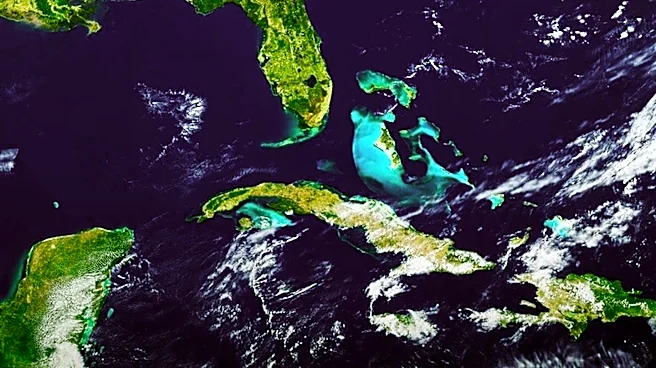
Cuba experienced a significant 65.1% drop in international tourist arrivals during the first nine months of 2026, receiving only 477,707 visitors compared to the previous year. This represents a decrease of 890,140 arrivals. The Cuban government attributes
this decline primarily to U.S. pressure, citing a squeeze on oil supplies, new sanctions, suspended airline routes, and hotel closures. Canada, historically Cuba's largest source of visitors, saw a drastic 76.9% reduction in arrivals, with only about 129,000 Canadians visiting. U.S. visitors also fell by 42,984 to 45,895. Other key markets, such as Russia and Argentina, also experienced substantial declines. The state statistics office, ONEI, provided these preliminary figures, which highlight the severe impact on Cuba's primary foreign currency earner. Fuel shortages, long blackouts, and fewer flights are also noted as contributing factors to the challenging tourism environment.
Why It's Important?
The dramatic decline in Cuban tourist arrivals, particularly from Canada and the U.S., has severe economic implications for the island nation. Tourism is a critical source of foreign currency for Cuba, and its reduction directly impacts the government's ability to fund essential imports like fuel, food, and power. This exacerbates existing shortages and blackouts, further straining the daily lives of Cuban citizens. For U.S. travelers and businesses, the situation signifies continued restrictions and challenges in engaging with Cuba, limiting potential economic opportunities and cultural exchange. The U.S. government's policies, as cited by Cuba, demonstrate the ongoing impact of sanctions on the Cuban economy and its international relations. The withdrawal of international hotel chains further indicates a challenging investment climate. This downturn underscores the complex interplay of international politics, economic sanctions, and internal infrastructure issues affecting Cuba's economic stability.
What's Next?
The immediate future for Cuba's tourism sector appears challenging, with no clear indication of a rapid recovery. The Cuban government will likely continue to seek alternative sources of foreign currency and potentially adjust its economic policies to mitigate the impact of reduced tourism revenue. The ongoing U.S. sanctions and the broader geopolitical climate will remain significant factors influencing tourist flows. For potential visitors, the current conditions suggest continued difficulties, including limited flight options, hotel availability, and fuel shortages. The preliminary nature of the ONEI data means that final figures could be revised, but the trend of decline is firmly established. The long-term recovery of Cuba's tourism industry will depend on a combination of changes in international relations, particularly with the U.S., and internal reforms to address infrastructure and service challenges.
Beyond the Headlines
The precipitous drop in Cuba's tourist arrivals reveals a deeper narrative about the enduring impact of geopolitical tensions on a nation's economy and its people. Beyond the statistics, the decline signifies a reduction in cultural exchange and people-to-people connections that tourism often facilitates. The Cuban government's attribution of the slump to U.S. pressure highlights the ongoing debate about the effectiveness and ethical implications of economic sanctions as a foreign policy tool. While sanctions aim to pressure governments, their primary impact often falls on the civilian population, leading to hardship and limited access to essential goods and services. The situation also raises questions about Cuba's economic resilience and its ability to adapt to external pressures, potentially accelerating internal reforms or seeking closer ties with other international partners. The long-term consequences could include a further isolation of Cuba or, conversely, a renewed push for economic diversification and self-sufficiency.