


What's Happening?
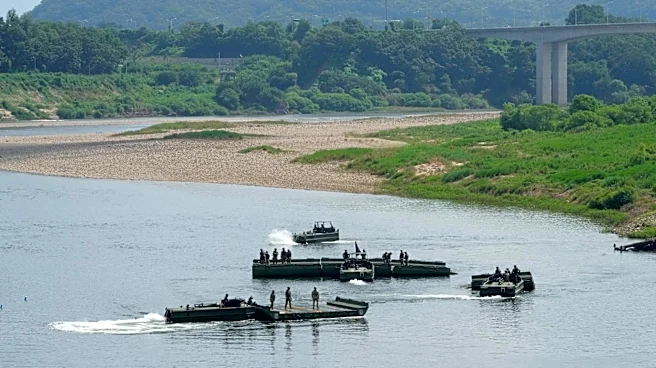
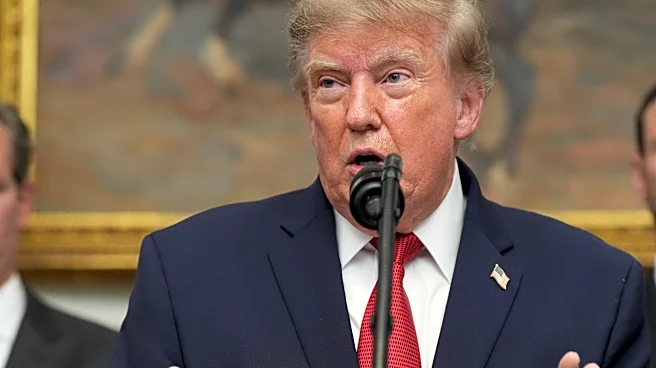
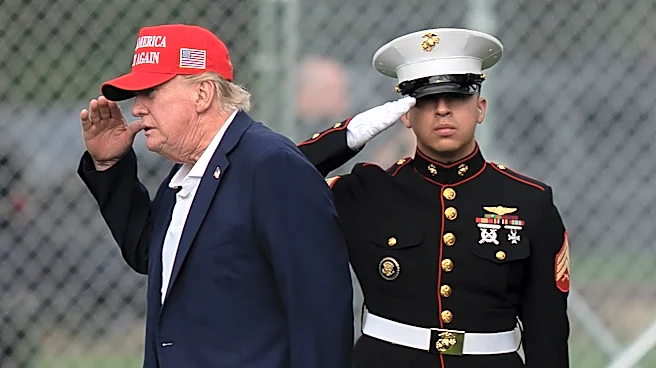
President Trump announced his decision to scale back the annual US-South Korea military exercises, specifically the Ulchi Freedom Shield, which was scheduled to run through August 27. This decision was made public on Sunday night, with President Trump stating
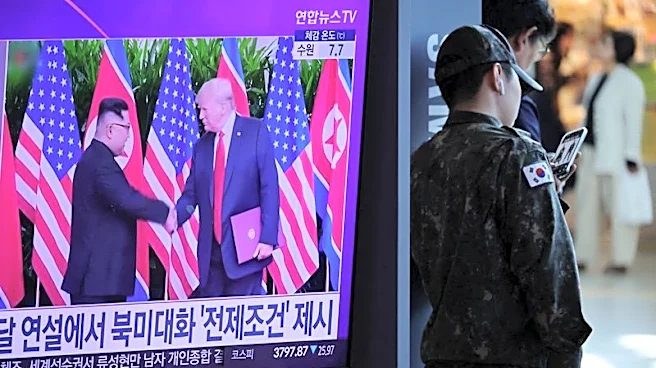
he was 'not happy' with the exercises and had instructed the Pentagon to shorten them. He cited his 'very good relationship' with North Korean dictator Kim Jong Un as a factor. The Atlantic Council experts have expressed varied views on this development. Bee Yun Jo, a nonresident senior fellow, emphasized that while diplomacy is valuable, military readiness should not be used as a bargaining chip. Dokyoung Koo argued that reducing combined training negatively impacts both the United States and South Korea. Sungmin Cho, another nonresident senior fellow, expressed surprise at the linkage of these exercises to the Iran war. The scaling back reportedly involves ending the drill after its defensive phase on August 21, canceling the counteroffensive phase and most combined field training.
Why It's Important?
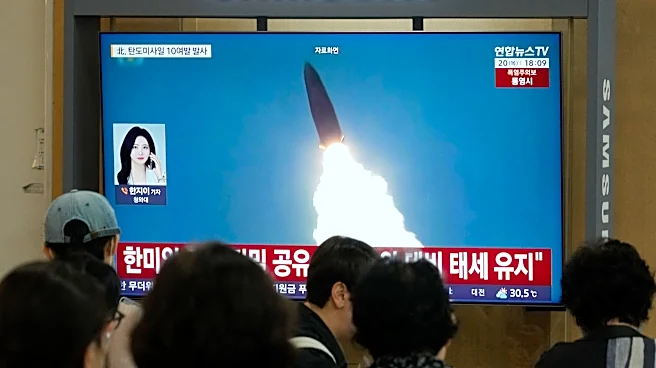
The reduction of joint military exercises between the US and South Korea carries significant implications for regional security and alliance dynamics. According to Bee Yun Jo, military exercises are fundamental to alliance readiness, ensuring that forces can operate effectively together. Scaling back these drills, especially after resources have already been invested in planning and mobilization, is seen as a strategic mistake that diminishes the return on investment. This move could also weaken diplomatic leverage, as concessions on exercises should ideally be exchanged for tangible North Korean restraint, rather than being offered preemptively. Furthermore, there is concern that North Korea may not reciprocate, potentially demanding further reductions in other trilateral exercises involving the US, South Korea, and Japan. The timing is also critical, as North Korea is reportedly gaining battlefield experience from Russia's war against Ukraine, making it an inopportune moment for the alliance to ease its training regimen. Unilateral reductions could also erode confidence in the US-South Korea alliance within South Korea, potentially strengthening arguments against its reliability or necessity.
What's Next?
The immediate consequence is the curtailment of the Ulchi Freedom Shield exercise, with the counteroffensive phase and most combined field training being canceled. This decision will likely lead to ongoing discussions and potential adjustments in future US-South Korea military cooperation. Stakeholders in South Korea, including those who question the alliance's reliability, may react to this development. The long-term impact on North Korea's behavior and its demands regarding future exercises remains to be seen. The Atlantic Council experts' varied perspectives suggest continued debate within policy circles regarding the balance between diplomatic engagement and maintaining military readiness. The US and South Korea will need to navigate how to sustain deterrence and alliance cohesion in light of these changes, potentially exploring alternative methods to ensure interoperability and readiness without full-scale joint exercises.
Beyond the Headlines
The decision to scale back military exercises extends beyond immediate operational impacts, touching upon deeper ethical and strategic considerations. The concept of 'readiness as a bargaining chip' raises questions about the fundamental purpose of military alliances and the value placed on deterrence versus diplomatic overtures. If military exercises are viewed as concessions rather than essential components of defense, it could set a precedent for other alliances globally. The perceived lack of reciprocity from Pyongyang, as highlighted by experts, underscores the challenge of negotiating with adversaries who may not adhere to similar diplomatic norms. Moreover, the potential for this decision to undermine confidence in the US-South Korea alliance within South Korea could have long-term geopolitical consequences, potentially shifting regional power dynamics and influencing South Korea's future defense strategies. This situation also highlights the complex interplay between domestic political considerations in the US and international security commitments, demonstrating how presidential directives can rapidly alter established defense postures and diplomatic strategies.