




What's Happening?
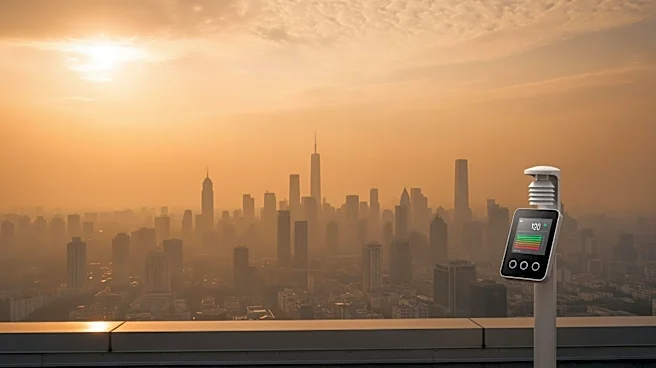
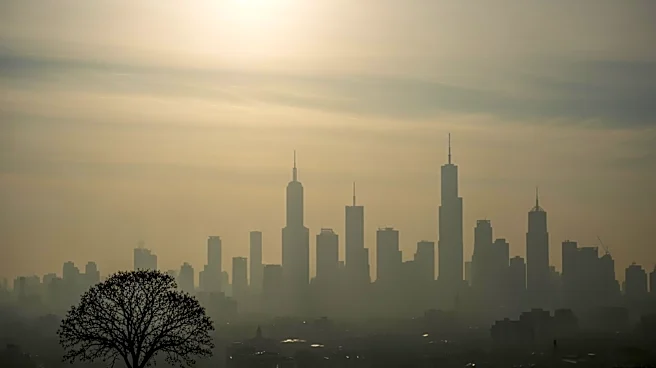
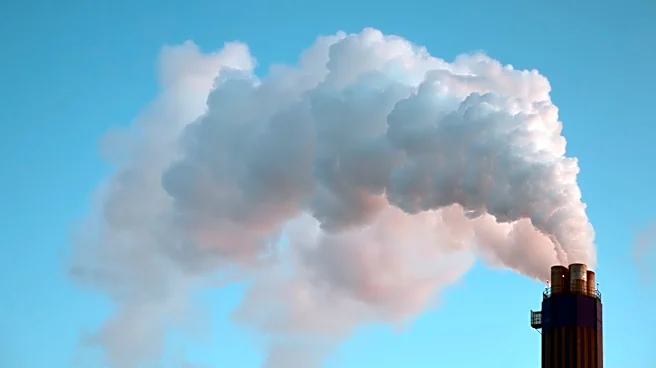
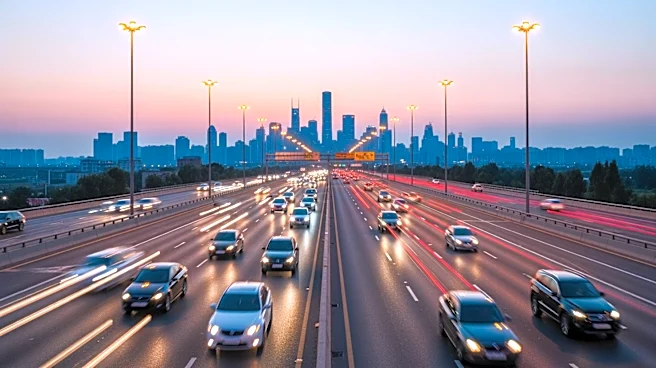
The Los Angeles region has experienced the smoggiest first five months of the year in over a decade, with 39 days of unhealthful air quality due to high ozone levels. This surpasses the previous record set in 2017. The South Coast air basin, which includes
Los Angeles, Orange, Riverside, and San Bernardino counties, has been affected by early heat waves that have exacerbated smog formation. The high levels of ozone, a corrosive gas, pose significant health risks, particularly for individuals with respiratory conditions. The situation highlights ongoing challenges in managing air quality in the region.
Why It's Important?
The increase in smog levels poses serious public health risks, particularly for the 18 million residents of the affected areas. Ozone exposure can trigger asthma attacks and other respiratory illnesses, leading to increased healthcare costs and reduced quality of life. The situation underscores the need for effective air quality management and pollution reduction strategies. It also highlights the impact of climate change on air quality, as rising temperatures contribute to smog formation. Addressing these challenges is crucial for protecting public health and ensuring environmental sustainability.
What's Next?
Local authorities and environmental agencies may need to implement additional measures to reduce pollution and improve air quality. This could include stricter emissions regulations, increased monitoring, and public awareness campaigns. The situation may also prompt discussions about the role of climate change in exacerbating air quality issues and the need for comprehensive strategies to address its impacts. As the region continues to grapple with smog, ongoing efforts to transition to cleaner energy sources and reduce reliance on fossil fuels will be critical.