








What's Happening?
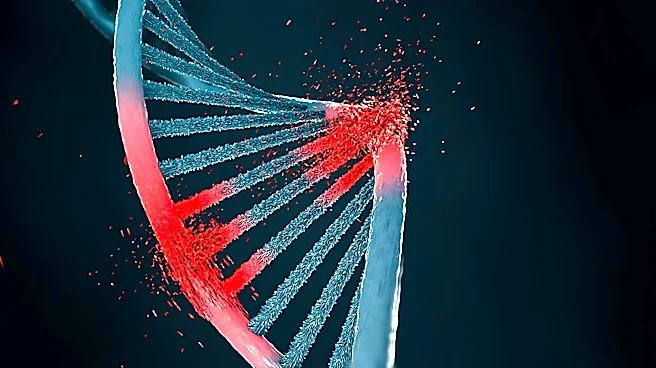
A recent study has identified a potential method for preserving muscle mass into old age by rejuvenating satellite cells, which are crucial for muscle regeneration. The research, conducted on mice, explored the use of compounds to protect proteins from
chemical damage, thereby enhancing the activation of satellite cells. One compound, lipoic acid trisulfide (LASSS), showed promise in reducing protein nitration and improving muscle cell activation. While the study's findings are preliminary, they suggest that similar approaches could be explored for treating muscle wasting conditions in humans, such as those caused by chronic diseases.
Why It's Important?
The ability to preserve muscle mass as people age has significant implications for public health, particularly in addressing age-related muscle atrophy and conditions like cachexia. By potentially enhancing muscle regeneration, this research could lead to new treatments that improve mobility and quality of life for older adults. The study also highlights the broader impact of protein nitration on age-related disorders, suggesting that protecting proteins from chemical damage could have applications beyond muscle biology, including in diseases like Alzheimer's.