








What's Happening?
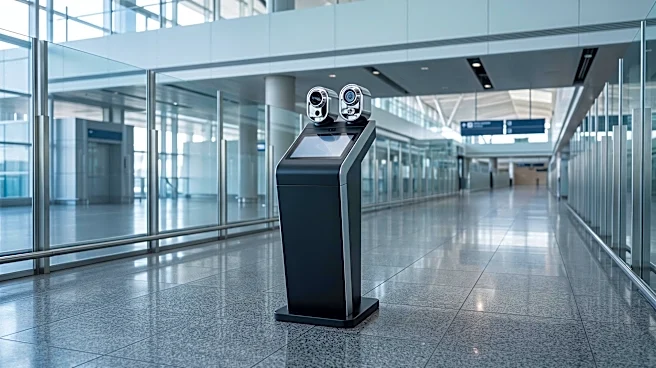
Philadelphia International Airport (PHL) has become the first airport in the United States to deploy an updated Global Entry arrival processing experience utilizing facial recognition technology. This new system, implemented by U.S. Customs and Border
Protection (CBP) on October 13, replaces the previous kiosk-based process. Global Entry members now have their photos taken by two cameras upon entering the processing area. The software then compares these images to information provided in their Global Entry applications to verify identity and membership status. If a match is successful, travelers can proceed to the exit. If not, they may need to present travel documents or seek assistance from a customs officer. According to CBP, this update aims to enhance identity verification, streamline traveler flow, improve processing efficiency, and bolster national security. CBP plans to expand this new arrival processing experience to up to 38 airport terminals across 30 high-volume airports, including some CBP Preclearance locations. Global Entry members can still use the Trusted Traveler mobile application at participating locations to report their arrival and submit customs declarations, as well as manage their memberships.
Why It's Important?
The deployment of facial recognition technology at PHL for Global Entry represents a significant shift in how trusted-traveler clearance is conducted at U.S. borders. With 15.6 million active Global Entry members as of October 1, 2026, this change impacts a substantial number of international travelers. The move from user-operated kiosks to automated facial comparison at the entrance of processing areas fundamentally alters the identity verification workflow. For airports, this has practical consequences for arrivals-side operations, influencing processing area design, queue management, and staffing requirements. The success and efficiency of the system at Philadelphia will likely shape the broader rollout across other major U.S. airports. This technological advancement aims to improve the traveler experience by reducing processing times and enhancing security measures, potentially setting a new standard for international arrivals in the U.S. However, it also raises considerations regarding data privacy and the accuracy of biometric systems, although CBP states that photos of U.S. citizens are deleted after 12 hours and those of permanent residents and non-citizens within 14 days.
What's Next?
CBP intends to expand this new facial recognition-based Global Entry processing to approximately 38 terminals at 30 high-volume airports across the United States, including some Preclearance locations. The results and operational feedback from Philadelphia International Airport will be crucial in refining the system and guiding its wider implementation. Travelers at other major airports can anticipate the eventual rollout of similar technology, which will alter their arrival experience. For those who prefer not to provide biometric information, the option to use regular customs lines will remain available. The expansion will require significant coordination between CBP and airport authorities to integrate the new technology and adjust operational procedures. Furthermore, ongoing monitoring of the system's performance, security, and traveler satisfaction will be essential as it becomes more widespread, potentially influencing future iterations of border processing technologies and policies.
Beyond the Headlines
The adoption of facial recognition technology in border control systems like Global Entry signifies a broader trend towards biometric authentication in various sectors. While aimed at enhancing security and efficiency, this shift also brings forth deeper discussions about privacy, surveillance, and the ethical implications of widespread biometric data collection. The move could normalize the use of facial recognition in public spaces, potentially influencing public perception and acceptance of such technologies. Legally, it reinforces the ongoing debate about data retention policies and the rights of individuals concerning their biometric information. Culturally, it reflects a growing reliance on technology to manage complex logistical challenges, such as international travel, while also prompting questions about the balance between convenience and individual liberties. The long-term impact could include a redefinition of privacy expectations in travel and public interactions, as well as increased scrutiny on the accuracy and potential biases of these advanced systems.