





What's Happening?
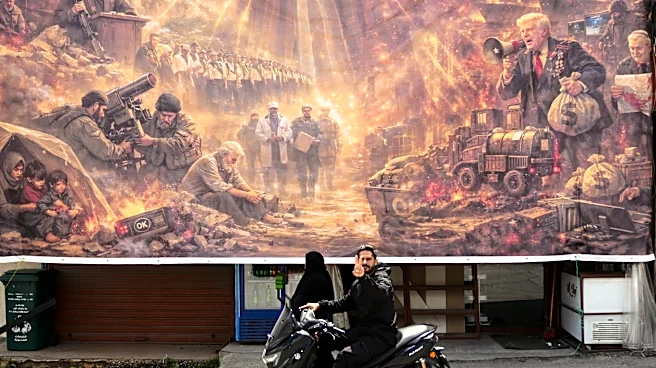
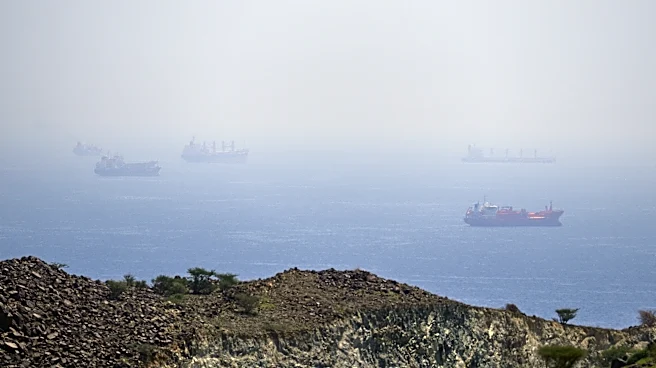
President Trump has announced an extension of the ceasefire with Iran, while maintaining a blockade on the Strait of Hormuz. This strategic pause aims to leverage military gains into diplomatic opportunities, applying economic pressure on Iran to encourage
negotiation flexibility. Concurrently, Israel faces ongoing challenges with Hezbollah, as the ceasefire in the north remains tenuous with continued provocations and violations. The situation highlights the complex dynamics of maintaining regional stability while addressing security threats from Hezbollah.
Why It's Important?
The dual approach of military restraint and economic pressure reflects a strategic shift in U.S. foreign policy under President Trump. By extending the ceasefire and maintaining economic sanctions, the U.S. aims to weaken Iran's financial stability, potentially opening avenues for diplomatic resolutions. For Israel, the ongoing tensions with Hezbollah underscore the need for a robust response to security threats, as unchecked violations could lead to further conflict. The outcomes of these strategies will significantly impact U.S.-Iran relations, regional security, and the broader geopolitical landscape.
What's Next?
The continuation of the ceasefire and economic pressure on Iran will be closely monitored for signs of diplomatic progress or further escalation. Israel's response to Hezbollah's provocations will be critical in maintaining security and preventing conflict. International stakeholders, including the UN and regional allies, may play a role in mediating tensions and supporting diplomatic efforts. The situation remains fluid, with potential for significant developments in U.S. foreign policy and regional stability.