





What's Happening?
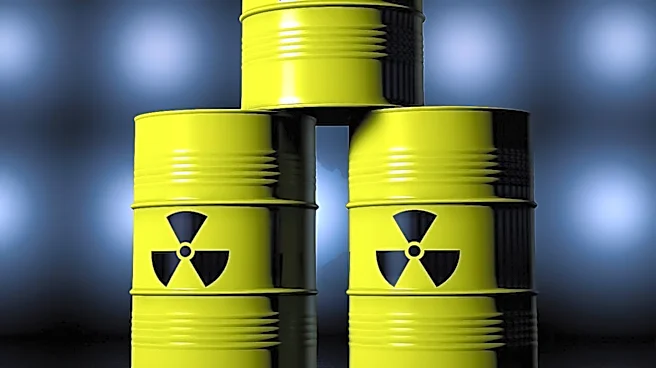
Between 1946 and 1970, the United States disposed of approximately 47,800 containers of radioactive waste, along with other toxic materials like cyanides, mercury, and beryllium, into the Pacific Ocean west of San Francisco. Many of these containers,
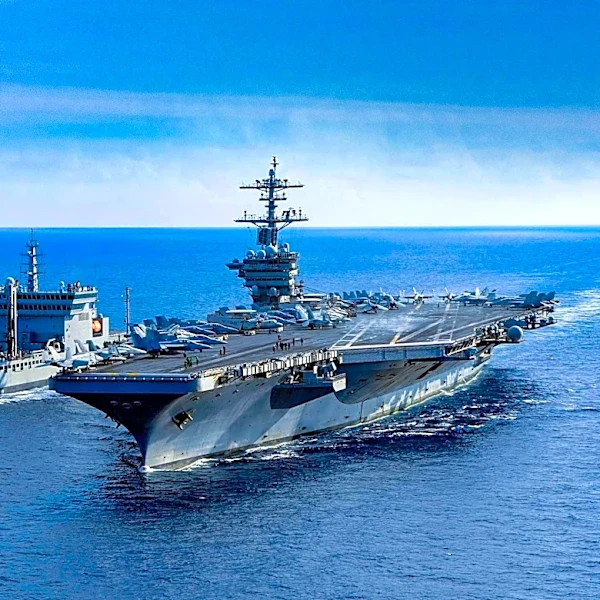
primarily 55-gallon steel drums, were intended to be dumped at designated sites but often missed their targets due to navigation methods of the time. These drums are now scattered across about 1,400 square kilometers of the seafloor, much of it within the Greater Farallones National Marine Sanctuary. The containers were not designed for permanent containment but rather to transport waste to the ocean floor where currents were expected to dilute it. A 1981 review by the General Accounting Office concluded that 90% of the dumped radioactivity had decayed to negligible levels, though a 1996 study found unusual isotope signatures in fish and mussels from the site, suggesting a different origin than weapons-test fallout. The USS Independence, an aircraft carrier used for decontamination experiments after atomic tests, was also scuttled in 1951 with radioactive material aboard, though a 2015 survey found no detectable radioactivity at its wreck site.
Why It's Important?
The historical dumping of radioactive and toxic waste off the U.S. coast highlights a legacy of environmental practices with long-term implications for marine ecosystems and public health. While official assessments have downplayed the current hazard, the presence of these materials in a national marine sanctuary raises ongoing concerns about potential contamination and its impact on marine life and the food chain. The lack of precise records and the scattered nature of the waste make comprehensive monitoring and potential remediation efforts challenging and costly. This situation underscores the need for stringent regulations and international agreements to prevent similar environmental damage, as ocean disposal of radioactive waste is now globally prohibited. The incident also serves as a case study in the evolving understanding of environmental risks and the long-term consequences of past industrial and military waste disposal methods.
What's Next?
Currently, there are no plans or treaties obligating any agency to retrieve the dumped containers, primarily due to the immense cost and the perceived low hazard. The working policy is to leave the drums in place and continue monitoring the area. Future efforts will likely focus on ongoing scientific research to better understand the long-term environmental impact of the scattered waste and to refine monitoring techniques. The designation of the area as a national marine sanctuary means that the seabed and its contents are protected, and any future actions would need to align with conservation goals. Continued vigilance and scientific assessment will be crucial to ensure that any potential risks are identified and addressed, even if direct retrieval is not pursued.
Beyond the Headlines
This historical dumping reveals a broader societal and governmental approach to waste management during the mid-20th century, where ocean disposal was considered a viable solution for hazardous materials. The belief that ocean currents would sufficiently dilute contaminants reflects a scientific understanding that has since evolved. The ethical implications of knowingly disposing of toxic and radioactive substances into shared global commons, with uncertain long-term effects, are profound. It also highlights the challenge of addressing historical environmental liabilities, where the costs of remediation far outweigh the perceived immediate benefits, leading to a policy of containment and monitoring rather than active cleanup. The story serves as a stark reminder of the interconnectedness of human activities and environmental health, and the enduring legacy of past decisions on future generations and ecosystems.