



What's Happening?
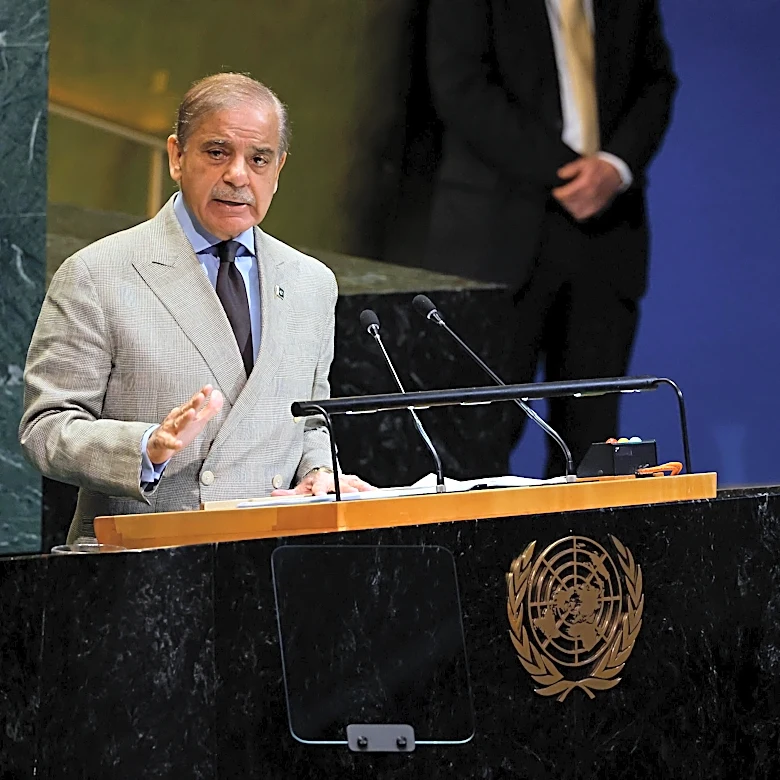
A report examining Member States' perspectives on United Nations reform, particularly in the context of the UN80 Initiative, reveals shared support for a more effective UN but significant differences on how reform should proceed. The analysis, based on statements
from the General Debate of the 81st session of the UN General Assembly, highlights that administrative improvements alone cannot resolve issues of representation and political authority. Key concerns include inequalities in decision-making, with Africa's underrepresentation on the Security Council being a prominent example. Member States also emphasize the importance of adequate development financing and stronger implementation of existing international commitments. The report suggests that Security Council reform requires sustained negotiations among Member States, while internal process changes must demonstrably strengthen the UN's ability to fulfill its mandates. Efficiency measures are also scrutinized to ensure they preserve delivery capacity and are assessed against implementation costs and operational consequences.
Why It's Important?
The ongoing debate over UN reform is crucial for the future efficacy and legitimacy of the international body. The identified disparities in decision-making, particularly the underrepresentation of continents like Africa on the Security Council, challenge the UN's foundational principles of equality and inclusive governance. If these issues are not addressed, the UN risks losing credibility and relevance in a rapidly changing global landscape. The emphasis on adequate development financing and the implementation of international commitments underscores the critical role the UN plays in addressing global challenges such as poverty, climate change, and human rights. A more effective and representative UN could lead to more coordinated and impactful international responses to these issues, benefiting global stability and development. Conversely, a failure to achieve meaningful reform could exacerbate existing geopolitical tensions and hinder collective action on pressing global concerns.
What's Next?
To achieve meaningful progress, the report recommends setting clear objectives and measurable indicators, distinguishing administrative changes from governance reforms requiring intergovernmental agreement, and linking efficiency measures to mandate delivery with evidence of improved resource use. Strengthening accountability through clearly assigned responsibilities, timelines, and resources is also advised. Furthermore, connecting the UN80 Initiative with existing commitments, such as the Pact for the Future and the 2030 Agenda, is deemed essential. The success of UN80 will be assessed through demonstrable improvements in institutional performance, requiring both practical organizational changes and political agreement on priorities, responsibilities, and decision-making. Sustained negotiations among Member States will be critical for any significant reform of the Security Council.
Beyond the Headlines
The discussions surrounding UN reform extend beyond mere administrative adjustments, touching upon fundamental questions of global power dynamics and justice. The call for greater representation, especially for regions like Africa, reflects a broader global shift towards a more multipolar world where traditional power structures are being challenged. The ethical implications of an unrepresentative Security Council, for instance, raise questions about the legitimacy of its decisions and its ability to act impartially on global conflicts. Culturally, the push for reform signifies a growing demand for inclusivity and equity in international governance, moving away from a system perceived as dominated by a few powerful nations. The long-term shifts triggered by these debates could redefine international cooperation and the role of multilateral institutions in the 21st century, potentially leading to a more equitable and effective global governance framework.