
What's Happening?
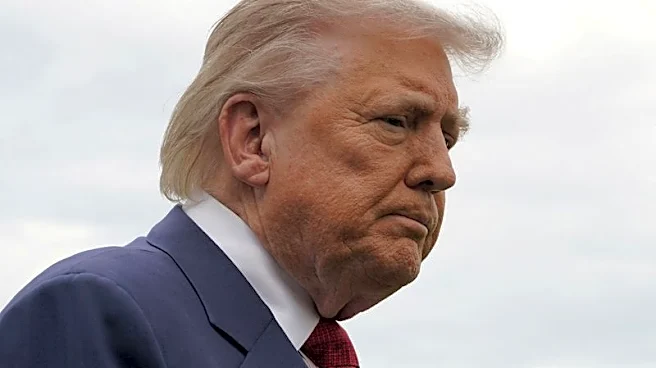
House Democrats are preparing a comprehensive oversight agenda targeting President Trump, his family, and his administration, should they gain control of the House in the upcoming November elections. This
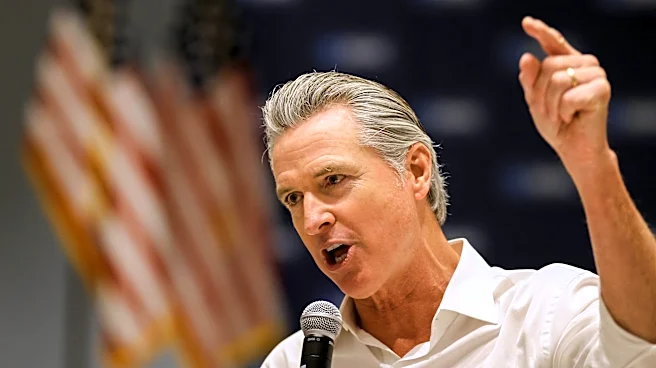
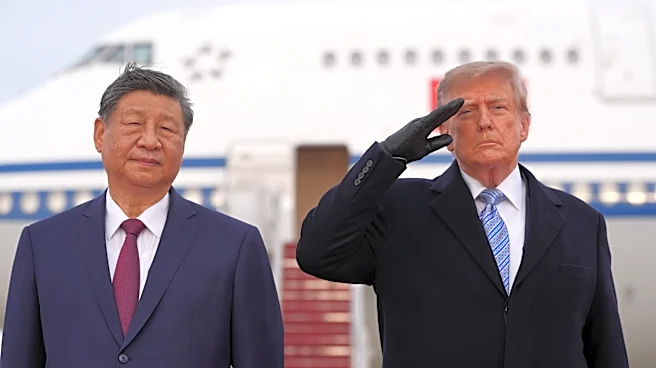
initiative spans multiple House committees, with increased budgets and staff to facilitate investigations and subpoena power. Rep. Robert Garcia of California, the top Democrat on the Oversight and Government Reform Committee, has outlined five key priorities. These include investigations into Trump family business dealings, the administration's handling of the Jeffrey Epstein investigation, and operations of U.S. Immigration and Customs Enforcement (ICE). Additionally, Garcia mentioned scrutiny of the Department of Health and Human Services under Secretary Robert F. Kennedy Jr. and broader allegations of corporate corruption. Rep. Gregory Meeks of New York, the top Democrat on the House Foreign Affairs Committee, plans to investigate President Trump's international dealings, particularly concerning the Iran war and Venezuela operations. Democratic leader Hakeem Jeffries of New York stated that impeachment of the Republican president and Cabinet officials is not off the table, emphasizing accountability for perceived corruption and abuses of power.
Why It's Important?
This planned oversight agenda is significant as it signals a potential shift in the balance of power within the U.S. government and could lead to substantial investigations into the executive branch. The Democrats' focus on areas such as Trump family business dealings and corporate corruption highlights concerns about potential conflicts of interest and misuse of public office, which could impact public trust in government institutions. Investigations into ICE operations and the Department of Health and Human Services could lead to policy changes affecting immigration and public health, respectively. The possibility of impeachment proceedings, even if focused on Cabinet members, underscores the deep partisan divisions and could further polarize the political landscape. Such extensive oversight could also divert significant administrative resources, potentially affecting the efficiency and focus of government agencies. The outcome of these investigations could influence future elections and shape the narrative around government accountability and transparency.
What's Next?
If Democrats secure control of the House in the November elections, they are expected to swiftly initiate these investigations. Ranking Democratic lawmakers, poised to chair committees, will begin calling witnesses, administering oaths, and following evidence where it leads. The White House is anticipated to resist these efforts, potentially ignoring subpoenas or refusing to provide requested documentation, which could lead to legal battles and further political confrontations. The scope of these investigations may extend beyond the administration to include various corporate and business entities implicated in alleged wrongdoing. The question of impeachment, particularly for Cabinet members, will likely remain a contentious issue, with pressure from the left wing of the Democratic party to pursue such actions. The results of these investigations could lead to legislative proposals aimed at addressing perceived systemic corruption and abuses of power, potentially reshaping government ethics and oversight mechanisms.
Beyond the Headlines
The extensive oversight planned by House Democrats delves into deeper implications concerning the ethical boundaries of presidential power and the accountability of high-ranking officials. The focus on the Trump family's financial dealings and alleged corporate corruption raises fundamental questions about the intersection of private business interests and public service, potentially leading to calls for stricter ethics regulations for elected officials and their families. The investigations into the administration's handling of sensitive issues like the Jeffrey Epstein case and ICE operations touch upon broader societal concerns regarding justice, human rights, and governmental transparency. The potential for a third impeachment process, even if directed at Cabinet members, could further normalize impeachment as a political tool, potentially altering the long-term dynamics between the legislative and executive branches. This aggressive oversight agenda could also set a precedent for future administrations, emphasizing the importance of congressional checks and balances and potentially influencing public perception of governmental integrity.