






What's Happening?
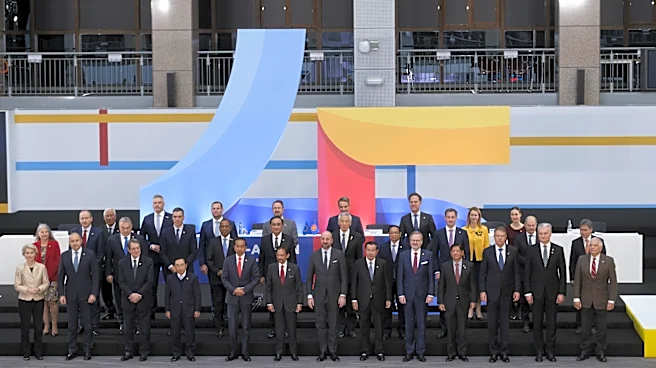
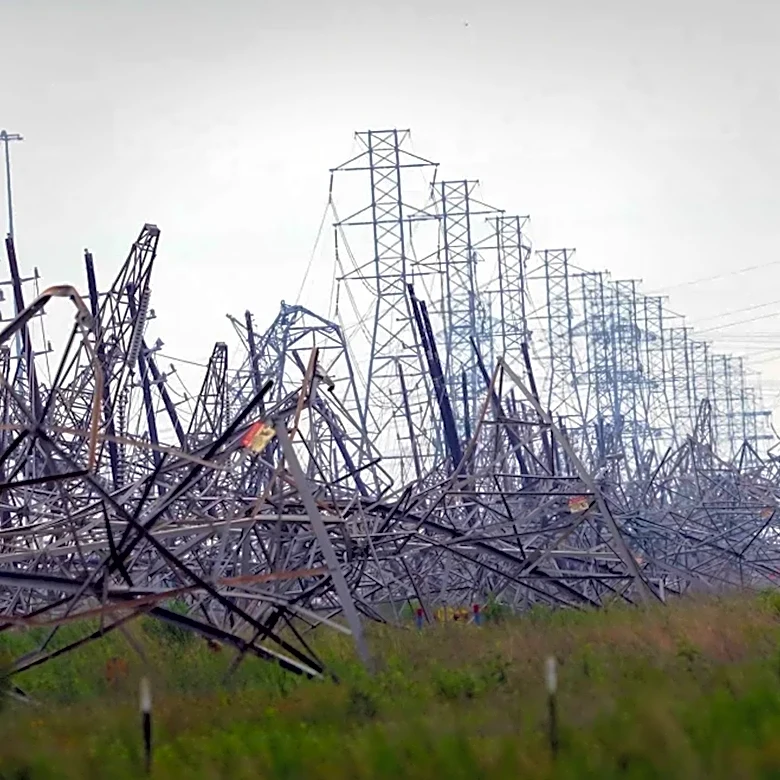
The 31st United Nations Conference on Climate Change (COP31) in Turkey is set to prioritize human rights as a core component of climate action, following a summer marked by devastating climate disasters globally. Catastrophic flash floods in Nepal, record-breaking
heat, and widespread wildfires in Oceania and North America have underscored the severe threats to lives, human rights, and nature posed by even minimal exceedances of the 1.5-degree temperature limit of the Paris Agreement. The International Federation for Human Rights (FIDH) is urging parties at COP31 to fulfill their obligations under the Paris Agreement by integrating human rights into all decisions, from the transition away from fossil fuels to electrification and finance targets. The conference aims to accelerate climate action to return to below 1.5 degrees, recognizing that those least responsible for historical emissions often suffer the most from climate impacts.
Why It's Important?
The emphasis on human rights at COP31 is critical because climate change disproportionately affects vulnerable populations, exacerbating existing inequalities and threatening fundamental rights such as the rights to life, health, and an adequate standard of living. For the U.S., this focus highlights the ethical dimensions of climate policy and the need for a just transition that protects human rights both domestically and internationally. The global nature of climate disasters means that the U.S. has a vested interest in supporting international efforts that integrate human rights into climate action, as these efforts can prevent humanitarian crises and promote global stability. The call for scaled-up finance from high-income to low-income countries is also significant, as it addresses the historical injustices of climate change and aims to enable vulnerable nations to adapt and transition sustainably. Ignoring human rights in climate policy risks creating new forms of injustice and undermining the effectiveness of climate solutions.
Beyond the Headlines
The integration of human rights into climate action at COP31 has deeper implications, particularly concerning the concept of 'green extractivism' and the protection of environmental defenders. The FIDH warns against accelerating the extraction of 'critical minerals' without robust human rights protections, as this could repeat the violations and unsustainable consumption patterns associated with fossil fuels. This raises ethical concerns about how the transition to renewable energy is managed, ensuring it does not harm Indigenous Peoples or local communities. Furthermore, the arbitrary detention of Indigenous climate defenders, such as Daria Egereva and Natalia Leongardt, underscores the shrinking space for environmental activism globally. This trend is alarming because the voices of those directly affected by climate change and environmental degradation are crucial for effective and equitable climate solutions. Protecting environmental defenders and ensuring open civic space are not just human rights issues but also essential for achieving climate justice and holding powerful actors accountable.