


What's Happening?
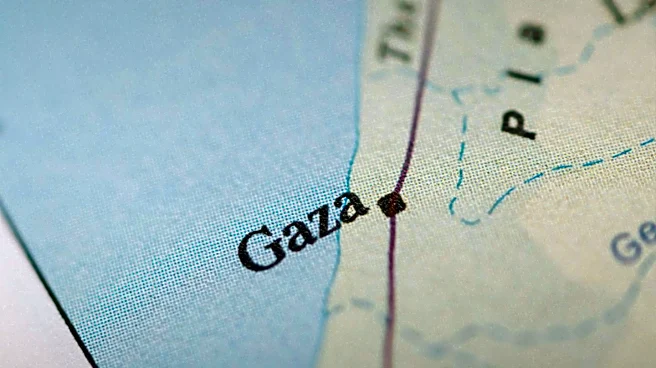
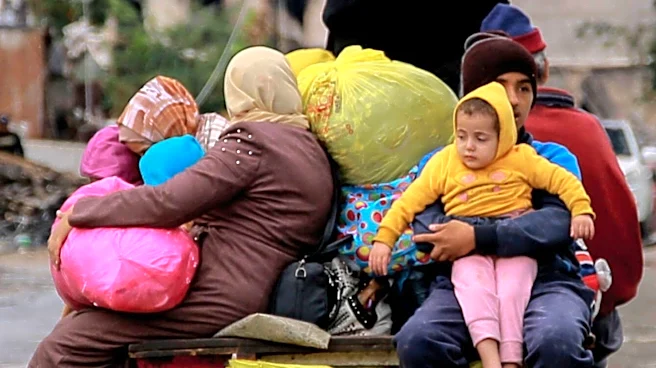
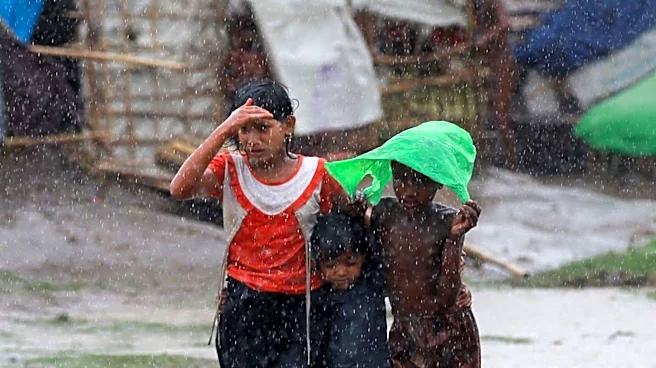
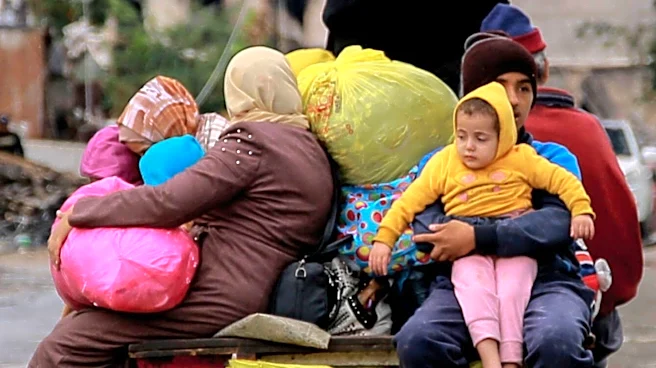
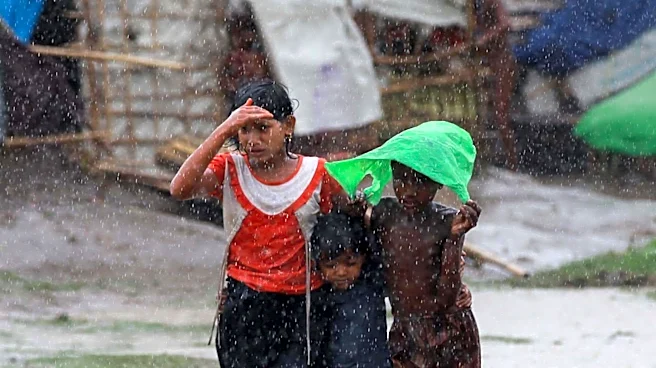
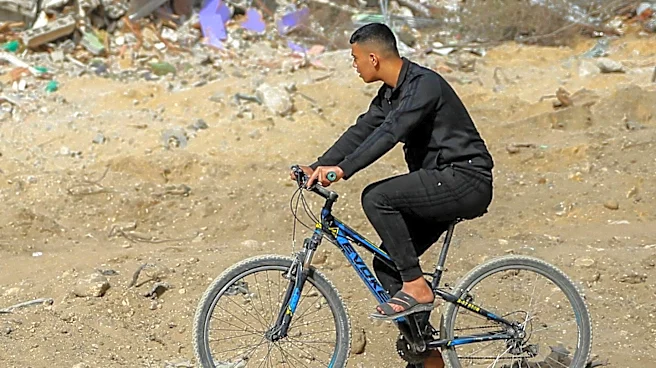
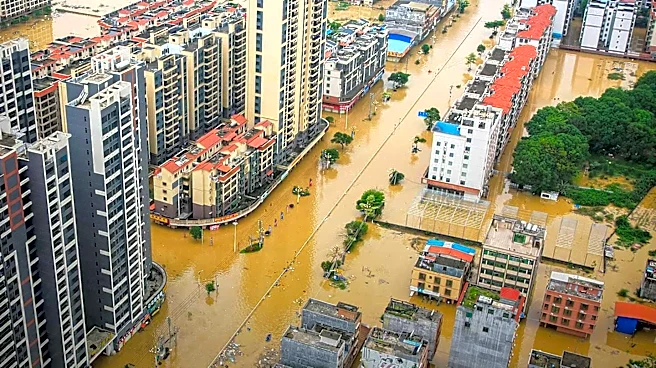
Heavy rains and flooding have exacerbated the humanitarian crisis in Gaza, impacting tens of thousands of families already displaced and living in tents or makeshift shelters. According to Beckie Ryan, Interim Country Director for CARE Palestine (West
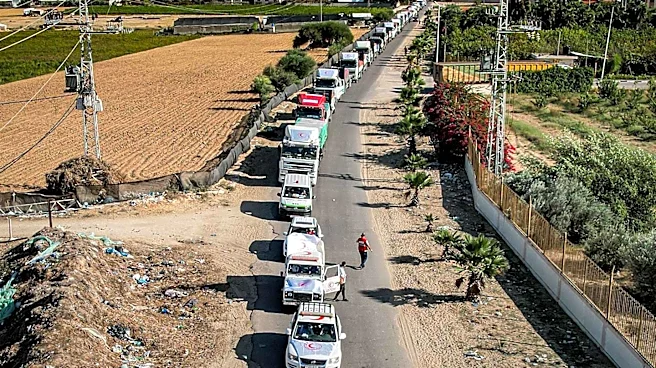
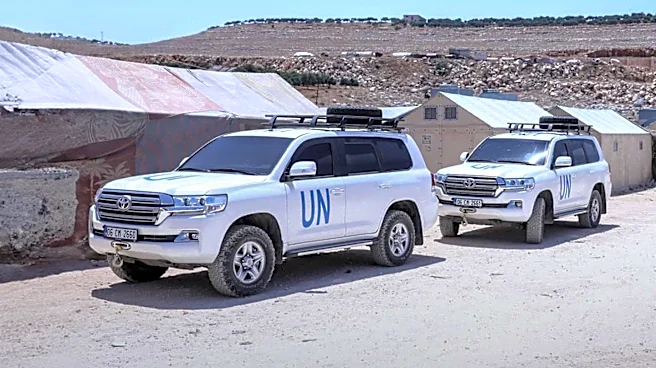
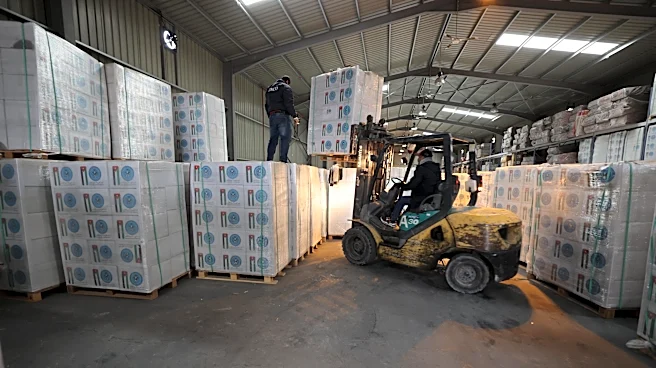
Bank/Gaza), 261 displacement sites reported rain and flooding, with an estimated 70,000 tents damaged or destroyed. This comes after more than three years of conflict, leaving 65% of Palestinians in Gaza, or 1.4 million people, in precarious living conditions. CARE and its local partners are providing emergency tents, kitchen kits, winter clothing, cash assistance, and hygiene supplies. They are also working to clear blocked drains and empty latrine pits to mitigate further flooding and sewage issues. The situation is expected to worsen as more storms are anticipated, with a flood risk assessment estimating 761,000 people in displacement sites are likely to be affected this winter. Israeli authorities are reportedly blocking the entry of essential items, including 150,000 tents ready for dispatch and an additional 121,000 needed before the storm.
Why It's Important?
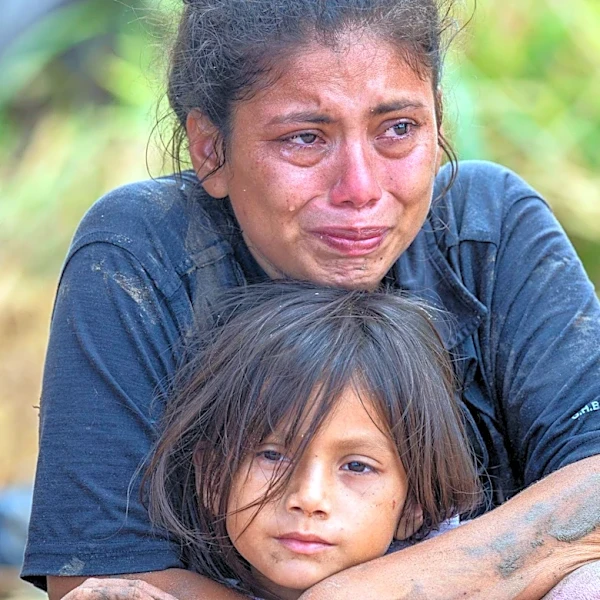
The ongoing blockade of humanitarian aid, particularly shelter materials, by Israeli authorities has severe implications for the civilian population in Gaza, especially women, children, older people, and persons with disabilities. The lack of adequate shelter, coupled with floodwaters and poor sanitation, significantly increases the risk of respiratory and waterborne illnesses. This situation highlights a critical failure to comply with international humanitarian law, which mandates the protection of civilians, humanitarians, and healthcare personnel, and requires facilitating full, rapid, safe, and unhindered humanitarian access. The inability to deliver essential supplies like tents and construction materials not only compounds immediate suffering but also hinders long-term recovery efforts, perpetuating a cycle of displacement and vulnerability. The international community's response to these blockades and the urgent need for humanitarian access will be crucial in determining the scale of the crisis's impact on human lives and regional stability.
What's Next?
Families in Gaza are bracing for more storms in the coming weeks and months, which will likely intensify the humanitarian crisis. CARE Australia and other humanitarian organizations will continue their efforts to provide emergency relief, but their capacity remains constrained by restricted access and the ongoing blockade of essential supplies. There will likely be continued calls from international bodies and humanitarian groups for Israeli authorities to facilitate full, rapid, safe, and unhindered humanitarian access, including opening all crossings for aid and allowing the entry of shelter and construction materials. The effectiveness of these calls and any subsequent actions by international actors will determine the immediate future of aid delivery and the well-being of the displaced population in Gaza. The long-term implications will depend on political resolutions and sustained efforts to ensure humanitarian access and reconstruction.
Beyond the Headlines
The situation in Gaza underscores the complex interplay between conflict, humanitarian aid, and international law. The reported blocking of essential humanitarian supplies, such as tents, raises significant ethical and legal questions regarding the obligations of occupying powers and the rights of civilian populations in conflict zones. This ongoing crisis could set precedents for how international humanitarian law is interpreted and enforced in future conflicts, potentially influencing global policies on aid delivery and civilian protection. The long-term psychological and social impacts on a population repeatedly displaced and deprived of basic necessities will be profound, contributing to generational trauma and instability. The international community's response, or lack thereof, to ensuring unhindered humanitarian access will reflect on its commitment to universal human rights and the principles of humanitarian intervention.