





What's Happening?
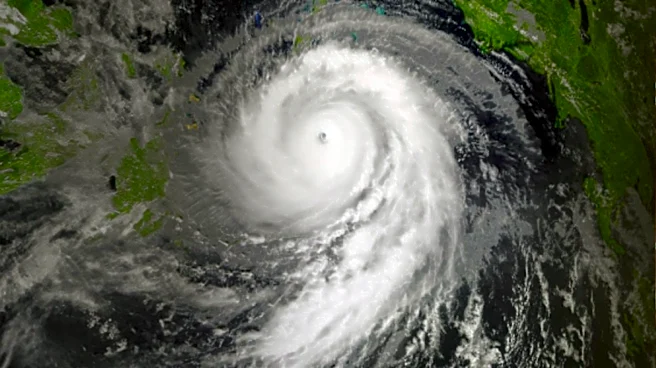
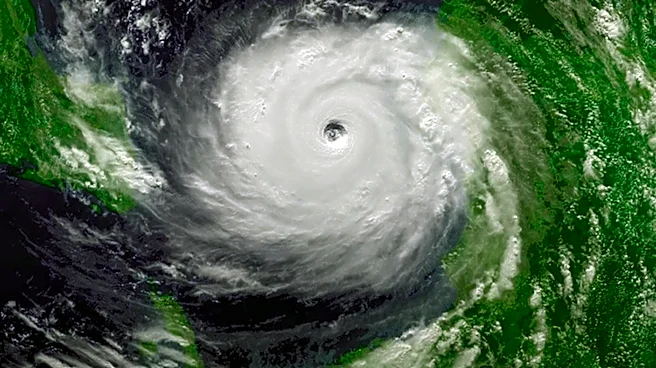
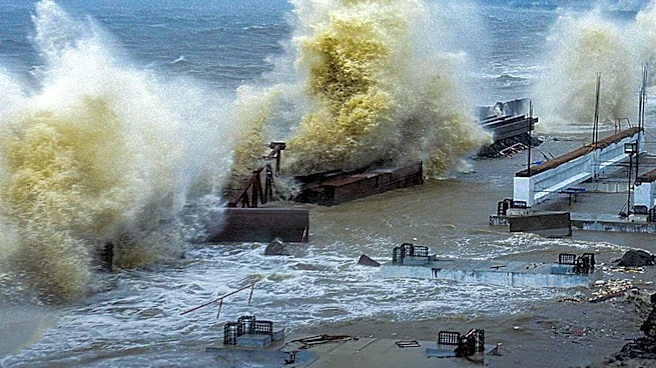
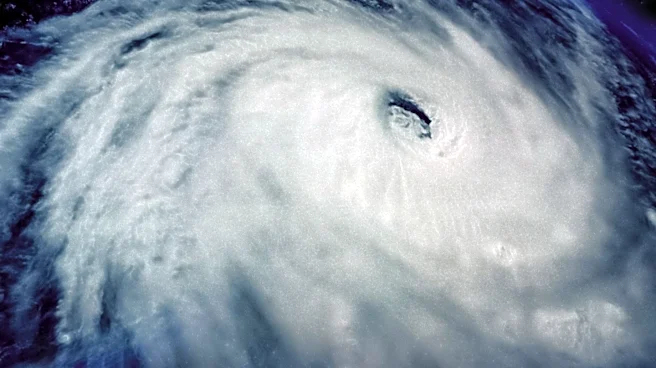
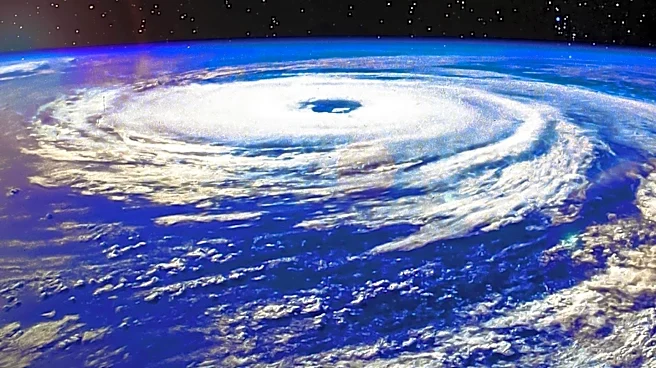
Typhoon Dolphin has made landfall in eastern China, prompting the evacuation of over 1 million people from high-risk areas. In Zhejiang province, more than 900,000 residents have been relocated, and emergency shelters have been established. The typhoon,
with winds reaching 151 kilometers per hour, has also affected Shanghai, where over 30,000 people were evacuated and numerous flights canceled. Authorities in Fujian province have taken similar precautions, evacuating nearly 99,000 people and suspending ferry services. The storm is expected to bring heavy rainfall, increasing the risk of flooding and landslides in affected regions.
Why It's Important?
The large-scale evacuation highlights the severe impact of Typhoon Dolphin on eastern China, emphasizing the need for robust disaster preparedness and response systems. The typhoon's impact on major cities like Shanghai underscores the vulnerability of urban areas to extreme weather events. The disruption to transportation and the potential for significant economic losses further illustrate the broader implications of such natural disasters. This situation serves as a reminder of the importance of climate resilience and the need for continued investment in infrastructure and emergency response capabilities.
What's Next?
As Typhoon Dolphin continues to move westward, authorities will focus on managing the aftermath, including addressing potential flooding and landslides. Emergency services will remain on high alert to assist affected communities and ensure the safety of residents. The ongoing heavy rainfall poses a continued threat, and efforts will be made to restore normalcy as quickly as possible. The response to this typhoon will likely be analyzed to improve future disaster management strategies, particularly in enhancing early warning systems and evacuation procedures.