






What's Happening?
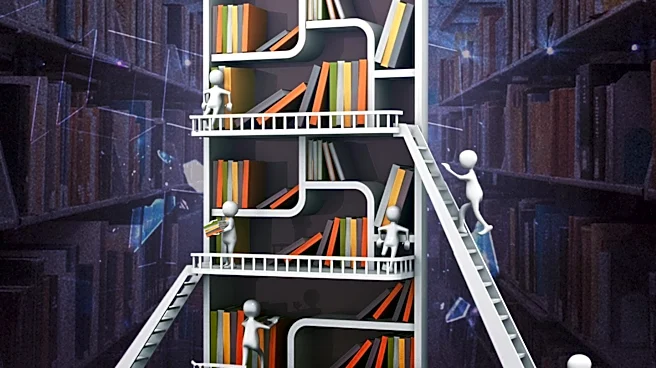
The Media History Digital Library (MHDL) is an open-access digital initiative that provides free public access to over 2.5 million digitized pages of historical trade papers, fan magazines, technical journals, and industry yearbooks. These documents cover
cinema, broadcasting, and recorded sound from the early 1900s through the 1960s. The platform, powered by its Lantern search engine and hosted via the Internet Archive, allows researchers to conduct full-text optical character recognition (OCR) searches across rare periodicals such as Variety, Photoplay, and Moving Picture World without subscription fees. Founded in 2011 by film historian David Pierce and developed with Professor Eric Hoyt at the University of Wisconsin–Madison, the MHDL aims to eliminate geographic and institutional barriers to historical media research. The initiative is now under the stewardship of the Wisconsin Center for Film and Theater Research (WCFTR) and the Department of Communication Arts at UW–Madison, bridging traditional archival scholarship with computational digital humanities.
Why It's Important?
The MHDL is a crucial resource for researchers across various disciplines, including cinema and media studies, historical communications, social history, sound studies, and digital humanities. By digitizing extensive runs of commercial and consumer periodicals, it supports diverse research methodologies, from close textual readings to large-scale data mining. This accessibility allows scholars to track the production history of individual films, the financial trajectories of Hollywood studios, and the transition from the silent era to synchronized sound. It also enables studies on star personae, celebrity culture, technological developments in film and broadcasting, and regulatory debates surrounding censorship and antitrust lawsuits. The availability of these materials without paywalls democratizes access to historical information, fostering broader academic inquiry and public understanding of media history.
What's Next?
The MHDL will continue to serve as a central discovery engine for historical media research. Researchers can expect ongoing access to its vast collection, with potential future expansions in digitized content or enhanced search functionalities. The platform's reliance on open standards ensures its continued accessibility across modern web browsers. The integration with Project Arclight, an open-source digital humanities platform, suggests continued development in tools for analyzing word frequencies and historical trends within the MHDL corpus. This ongoing collaboration will likely lead to more sophisticated computational analyses of media history, further enriching scholarly understanding of cultural and industrial shifts over the decades covered by the library.
Beyond the Headlines
The MHDL's commitment to open access has significant implications for the future of academic research and digital preservation. By making these historical documents freely available, it challenges traditional models of knowledge dissemination that often rely on costly subscriptions. This initiative also highlights the importance of digitizing fragile historical materials, ensuring their long-term preservation against physical deterioration. Furthermore, the platform's support for computational text analysis opens new avenues for interdisciplinary research, allowing scholars to uncover patterns and trends that might be missed through traditional qualitative methods. The MHDL exemplifies how digital humanities can democratize access to cultural heritage and foster innovative research methodologies, ultimately contributing to a more comprehensive understanding of media's role in society.