




What's Happening?
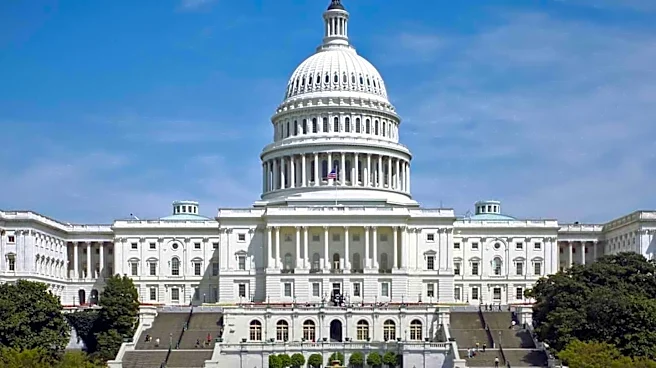
The U.S. Congress is debating the extension of Temporary Protected Status (TPS) for Venezuelans following devastating earthquakes in Venezuela. The Trump administration previously sought to revoke TPS, arguing that Venezuela no longer meets the criteria
for such protection. However, recent natural disasters have intensified calls from human rights organizations and lawmakers to extend TPS. The debate has highlighted divisions within Congress, with some members advocating for continued protection due to ongoing humanitarian and political crises in Venezuela. The TPS Act of 2025, introduced by Congresswoman Debbie Wasserman and others, proposes an 18-month extension for eligible Venezuelans.
Why It's Important?
The decision on TPS for Venezuelans has significant implications for U.S. immigration policy and humanitarian efforts. Extending TPS would provide temporary relief to thousands of Venezuelans in the U.S., allowing them to remain legally while their home country recovers. The debate also reflects broader tensions in U.S. immigration policy, particularly regarding the treatment of migrants from crisis-stricken regions. The outcome could influence future U.S. responses to international humanitarian crises and set a precedent for how the U.S. balances domestic policy with international obligations. The decision will also impact U.S.-Venezuela relations and the U.S.'s role in addressing global humanitarian issues.
What's Next?
The decision on TPS extension rests with President Trump, who has the authority to renew or terminate the status. Congressional advocates are pushing for bipartisan support to bring the TPS Act to a vote. If passed, the legislation would provide a temporary reprieve for Venezuelans, but the broader issue of immigration reform remains contentious. Human rights organizations will likely continue to lobby for TPS extension, emphasizing the humanitarian needs of Venezuelans. The situation underscores the need for comprehensive immigration reform in the U.S., addressing both immediate humanitarian concerns and long-term policy challenges.