


What's Happening?
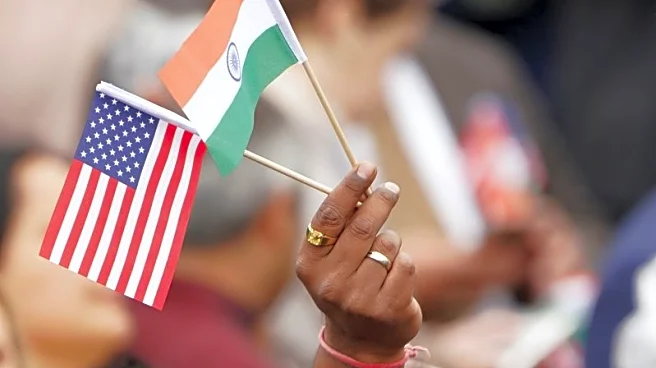
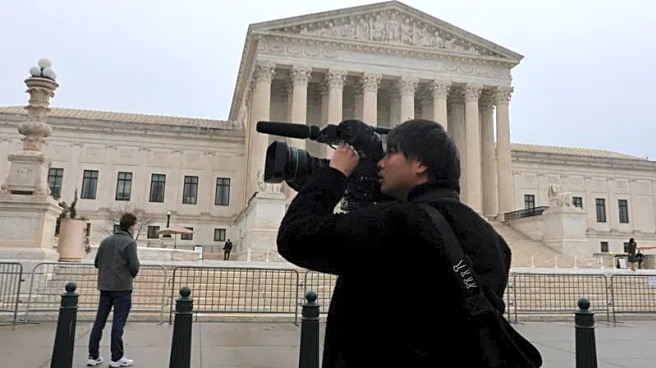
India has postponed its planned trade visit to Washington, D.C., following a significant shift in U.S. tariff policy. This decision comes after the U.S. Supreme Court declared President Trump's previous tariffs illegal. In response, President Trump invoked
Section 122 of the Trade Act of 1974, initially imposing a 10% global import tariff, which was later increased to 15%. The visit, intended to finalize an interim trade agreement, will be rescheduled to allow both nations to assess the implications of these developments. India's chief negotiator, Darpan Jain, was set to lead a three-day meeting in the U.S. to discuss the trade deal, which included reducing India's reciprocal tariff from 25% to 18%. However, with the new tariffs, India, like other countries, will face a 15% tariff in addition to the most-favored-nation status rates.
Why It's Important?
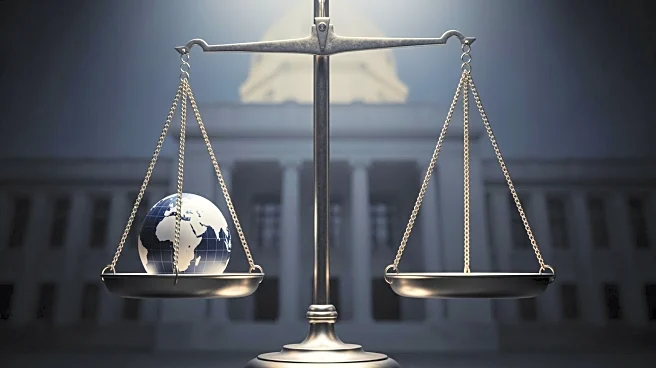
The delay in the trade visit underscores the broader impact of the U.S. Supreme Court's decision on international trade relations. The imposition of new tariffs by President Trump could strain U.S.-India trade negotiations, potentially affecting industries reliant on imports and exports between the two countries. The increased tariffs may lead to higher costs for businesses and consumers, impacting economic relations and market stability. The situation highlights the complexities of international trade policy and the potential for legal and political decisions to disrupt established agreements. Stakeholders in both countries, including businesses and policymakers, must navigate these changes to maintain economic ties and address the challenges posed by the new tariff regime.
What's Next?
Both the U.S. and India will need to reassess their trade strategies in light of the new tariff policies. The rescheduling of the trade visit suggests that further negotiations are necessary to address the implications of the increased tariffs. The U.S. Trade Representative and India's Ministry of Commerce and Industry will likely engage in discussions to find a mutually beneficial path forward. The outcome of these negotiations could influence future trade agreements and set a precedent for how similar situations are handled. Additionally, other countries affected by the U.S. tariffs may also seek to renegotiate their trade terms, potentially leading to broader shifts in global trade dynamics.