






What's Happening?
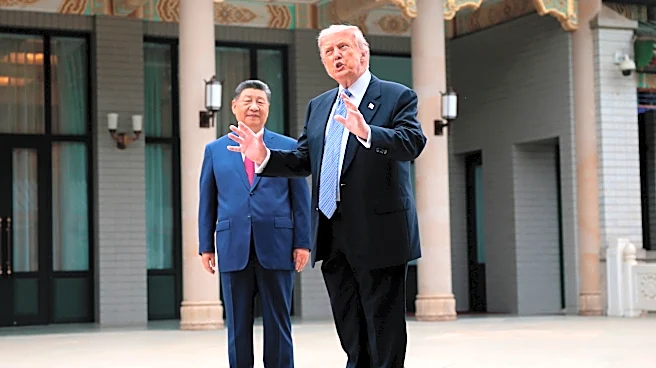
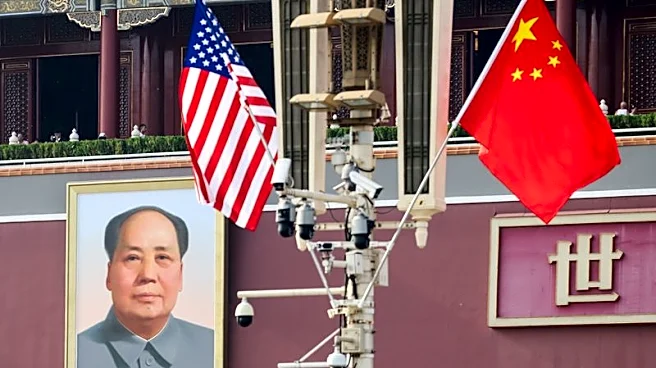
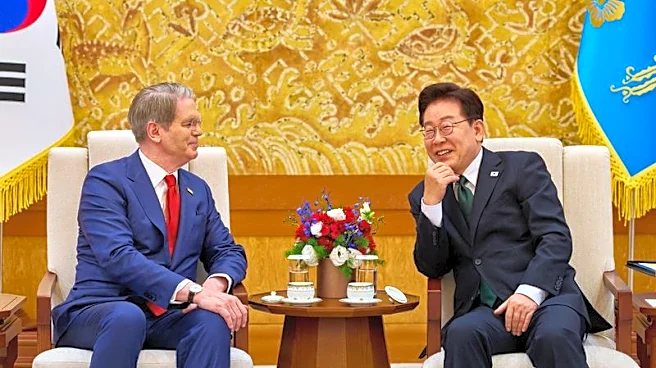
The United States is poised to secure a significant agricultural export agreement with China, following a summit between President Donald Trump and Chinese President Xi Jinping in Beijing. According to U.S. Trade Representative Jamieson Greer, the anticipated
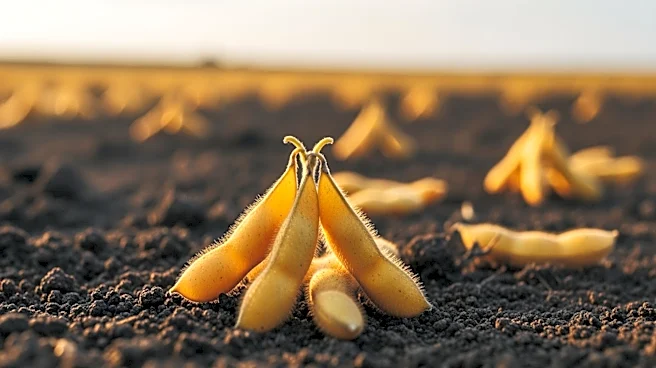
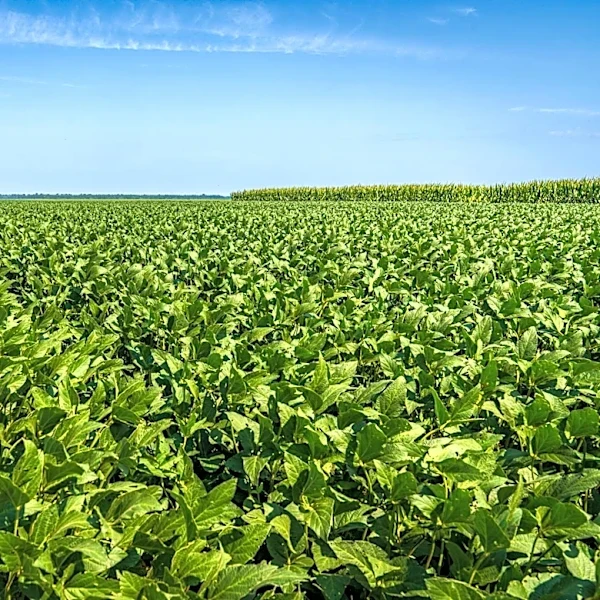
deal could involve 'double-digit billions' in purchases of American farm products over several years. The agreement is expected to cover a wide range of agricultural goods, including soybeans, corn, sorghum, milling wheat, beef, and poultry. This development comes amid ongoing trade tensions between the two nations, with agriculture remaining a relatively stable sector in their economic relations. Despite the optimism, market analysts caution that China may not significantly increase its soybean purchases from the U.S., as it has been sourcing more from Brazil in recent years.
Why It's Important?
This potential agreement is crucial for American farmers and exporters who have been seeking expanded access to the Chinese market following years of trade disputes and tariffs. The agricultural sector has often been used as a stabilizing tool in trade negotiations, and a successful deal could boost U.S. soybean and grain prices. The American Soybean Association has expressed support for stronger export commitments from China, which could provide much-needed relief to U.S. farmers. Additionally, the deal reflects efforts by both countries to stabilize trade relations while competing in other areas such as artificial intelligence and advanced technology. The outcome of these negotiations could influence broader economic cooperation between the world's two largest economies.
What's Next?
As negotiations continue, both the U.S. and China are likely to finalize the details of the agricultural agreement. Commodity traders and agricultural groups will be closely monitoring the situation for signs of expanded export opportunities. The success of this deal could set a precedent for future trade agreements and potentially ease tensions in other contentious areas of U.S.-China relations. Both governments appear eager to present agriculture as a domain where cooperation is possible, despite ongoing political and economic rivalries.