


What's Happening?
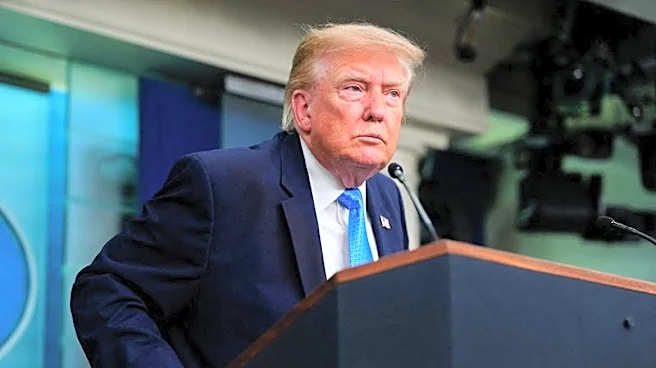
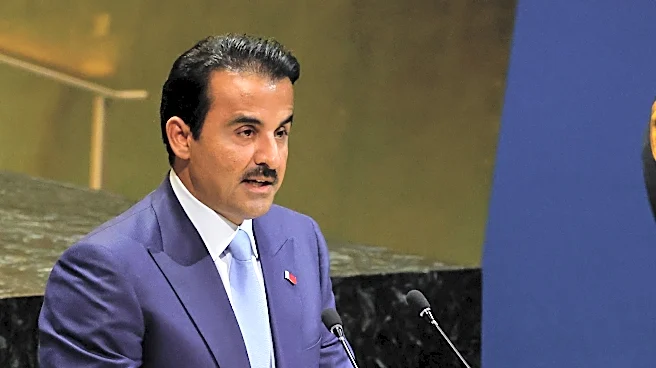
Qatar is actively engaged in diplomatic mediation between the United States and Iran, aiming to de-escalate tensions and facilitate potential agreements. This role was highlighted by a meeting on November 9, 2026, between Qatari Prime Minister and Foreign
Minister Sheikh Mohammed bin Abdulrahman Al Thani and President Trump in Washington, following earlier talks with Iranian officials in Tehran. Qatar's mediation strategy is rooted in its ability to maintain working relations with both Washington, a close security partner, and Tehran, with whom it shares economic interests, particularly a vast natural gas field. This dual access allows Qatar to serve as a crucial communication channel, especially when direct talks between the U.S. and Iran are challenging. The current efforts build on Qatar's past successes in mediating complex international issues, including a U.S.-Iran prisoner exchange in September 2023 and its significant role in the Afghan peace process, which involved hosting the Taliban’s political office and facilitating U.S.-Taliban talks.
Why It's Important?
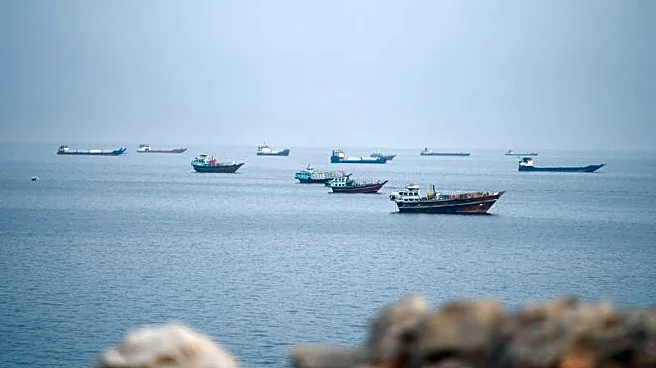
Qatar's ongoing mediation efforts are vital for regional stability and global energy security. The U.S.-Iran standoff carries high stakes, with potential military confrontations threatening Gulf security and global energy supplies. By providing a discreet channel for communication, Qatar helps prevent misunderstandings and explores potential limited understandings that could avert escalation. Its ability to engage with both sides, despite their deep divisions, offers a pathway for de-escalation that might otherwise be unavailable. The success of these mediations could lead to a reduction in economic and military pressures on Iran and provide assurances to the U.S. regarding Iran's nuclear activities and regional security. For the U.S., Qatar's role means having a trusted partner to convey proposals and test compromises with Iranian decision-makers, which is crucial when neither side can publicly appear flexible. The broader implications include safeguarding international shipping lanes and energy facilities, which are critical for the global economy.
What's Next?
The immediate goal of Qatar's mediation is to achieve a more modest first step rather than a comprehensive agreement, such as lowering the risk of new attacks, improving maritime security, or agreeing on a credible sequence of reciprocal steps. Such limited progress could pave the way for wider talks on more complex issues like nuclear policy, sanctions, and the future balance of power in the region. While Qatar can facilitate negotiations and clarify positions, the ultimate responsibility for making concessions and reaching a lasting deal rests with the U.S. and Iranian governments. The ongoing talks will test Qatar's diplomatic reach and the willingness of both the United States and Iran to move beyond their current confrontation. Continued engagement is expected, with Qatar aiming to turn diplomatic discussions into concrete commitments, even if a full resolution of underlying disputes remains a long-term challenge.
Beyond the Headlines
Qatar's consistent role as a mediator highlights a broader shift in Middle Eastern diplomacy, where smaller states are increasingly taking an active part in managing regional crises rather than solely relying on external powers. This approach, while carrying risks such as criticism and potential deal collapses, demonstrates the value of maintaining open communication channels with all parties, even those considered difficult to engage with directly. Qatar's strategy is rooted in its national interest, as its economic stability, particularly its liquefied natural gas exports, depends heavily on regional peace. The ethical dimension of engaging with diverse and sometimes adversarial actors underscores the pragmatic necessity of diplomacy in complex geopolitical landscapes. This long-term commitment to mediation, even when results are varied, reinforces Qatar's reputation as a reliable and persistent diplomatic actor, capable of bridging divides and fostering dialogue where direct contact is absent.