






What's Happening?
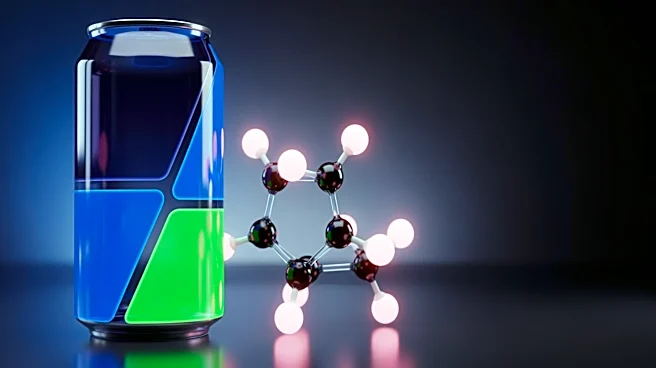
Consumer Reports has conducted an investigation into the caffeine content of energy drinks, revealing that many of these beverages contain significantly more caffeine than is recommended for teenagers. The study tested 23 popular energy drinks and found
that some contained up to 16% more caffeine than advertised. This is concerning as many energy drinks already contain two to three times the daily caffeine limit recommended for teens, which is 100 milligrams. Excessive caffeine consumption in teens can lead to insomnia, anxiety, jitters, and heart-related symptoms. The American Beverage Association has emphasized the role of parents in monitoring their children's beverage choices. Consumer Reports advises parents to check labels, track total caffeine intake from all sources, and pay attention to sleep patterns to avoid a cycle of fatigue and caffeine dependency.
Why It's Important?
The findings of this investigation are significant as they highlight the potential health risks associated with high caffeine consumption in teenagers. Energy drinks are popular among teens due to their appealing flavors and marketing, but the high caffeine content poses a risk to their health. This issue is particularly important as teens may not only consume caffeine from energy drinks but also from other sources like coffee, soda, and medications, potentially exceeding safe levels. The study underscores the need for greater awareness and regulation of caffeine content in beverages marketed to young people. It also calls for parents to be vigilant about their children's caffeine consumption to prevent health issues.
What's Next?
Following the investigation, there may be increased pressure on beverage companies to accurately label caffeine content and possibly reformulate products to ensure safety for younger consumers. Regulatory bodies might also consider implementing stricter guidelines for caffeine levels in beverages marketed to teens. Parents and educators could play a more active role in educating teens about the risks of excessive caffeine consumption. Additionally, there could be a push for more research into the long-term effects of high caffeine intake in adolescents.