




What's Happening?
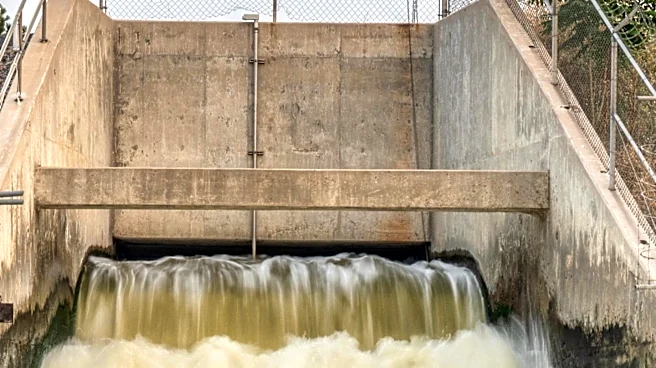
Mount Dora, Florida, is moving forward with an estimated $105.6 million expansion of its Wastewater Treatment Facility No. 2. The city council recently approved a $675,010 preconstruction agreement with Wharton-Smith Inc. for services related to the project.
The expansion aims to more than double the plant's permitted treatment capacity from 1.5 million gallons per day to 3.5 million gallons per day, preparing for anticipated growth. The project includes new odor-control systems, such as biological treatment and activated-carbon filtration, and covered treatment areas. However, city officials maintain that the widespread odors reported by residents are not originating from the wastewater plant itself. A 2025 study by V&A Consulting Engineers identified the nearby Mid Florida Mount Dora landfill as the likely source of the persistent, widespread odors affecting southeastern Mount Dora, though investigators did not have direct access to the landfill property. Residents continue to report strong odors, with some describing them as a 'funky, like a, like a stagnant water, like, like sewage' smell.
Why It's Important?
This development is significant for Mount Dora residents and the city's infrastructure planning. While the expansion addresses future wastewater capacity needs and includes odor-control measures, the city's assertion that the plant is not the source of the pervasive smell creates a complex situation. Residents like Aida Gregory, who experiences the odor daily, are frustrated and concerned about potential rate increases to fund the project. The city plans to fund the construction through grants and impact fees from new developments, but has not ruled out future rate adjustments for existing customers. The ongoing odor issue, regardless of its source, impacts the quality of life for residents and could affect the city's reputation and appeal to both residents and visitors, as noted by local business owners. The distinction between localized plant odors and widespread community odors highlights a broader challenge in identifying and mitigating environmental nuisances in growing communities.
What's Next?
The wastewater expansion is a long-term project, with a preliminary construction schedule beginning in September 2027 and an estimated completion year of 2030. This timeline is subject to progress in design, financing, future approvals, and construction. The city has not specified when the new odor-control equipment will become operational. Further details regarding the project's funding, including the exact breakdown of grants, developer fees, and potential borrowing, are yet to be finalized. The city will also need to conduct a broader study of its utilities fund to consider any future rate adjustments. Residents will likely continue to monitor the odor situation and the project's progress, particularly given the city's stance on the source of the widespread smell. The ongoing reporting of odors by residents, as seen on platforms like SmellMyCity, indicates continued public concern that the city will need to address.
Beyond the Headlines
The situation in Mount Dora underscores the intricate challenges faced by rapidly developing communities in balancing growth with environmental quality and resident well-being. The city's investment in wastewater infrastructure is crucial for accommodating population increases, but the unresolved issue of widespread odors points to potential gaps in environmental oversight or the complexity of identifying pollution sources. The reliance on impact fees from new developments to fund infrastructure projects is a common strategy, but it also raises questions about the long-term financial burden on existing residents and the sustainability of such growth. The case also highlights the limitations of studies that cannot access all potential sources of pollution, leaving room for ongoing debate and public dissatisfaction. Ultimately, effective governance in such scenarios requires transparent communication, comprehensive environmental assessments, and equitable funding mechanisms to ensure that development benefits all stakeholders without compromising quality of life.