

What's Happening?
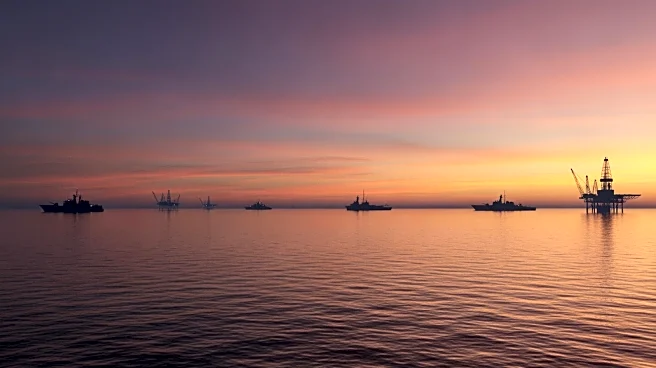
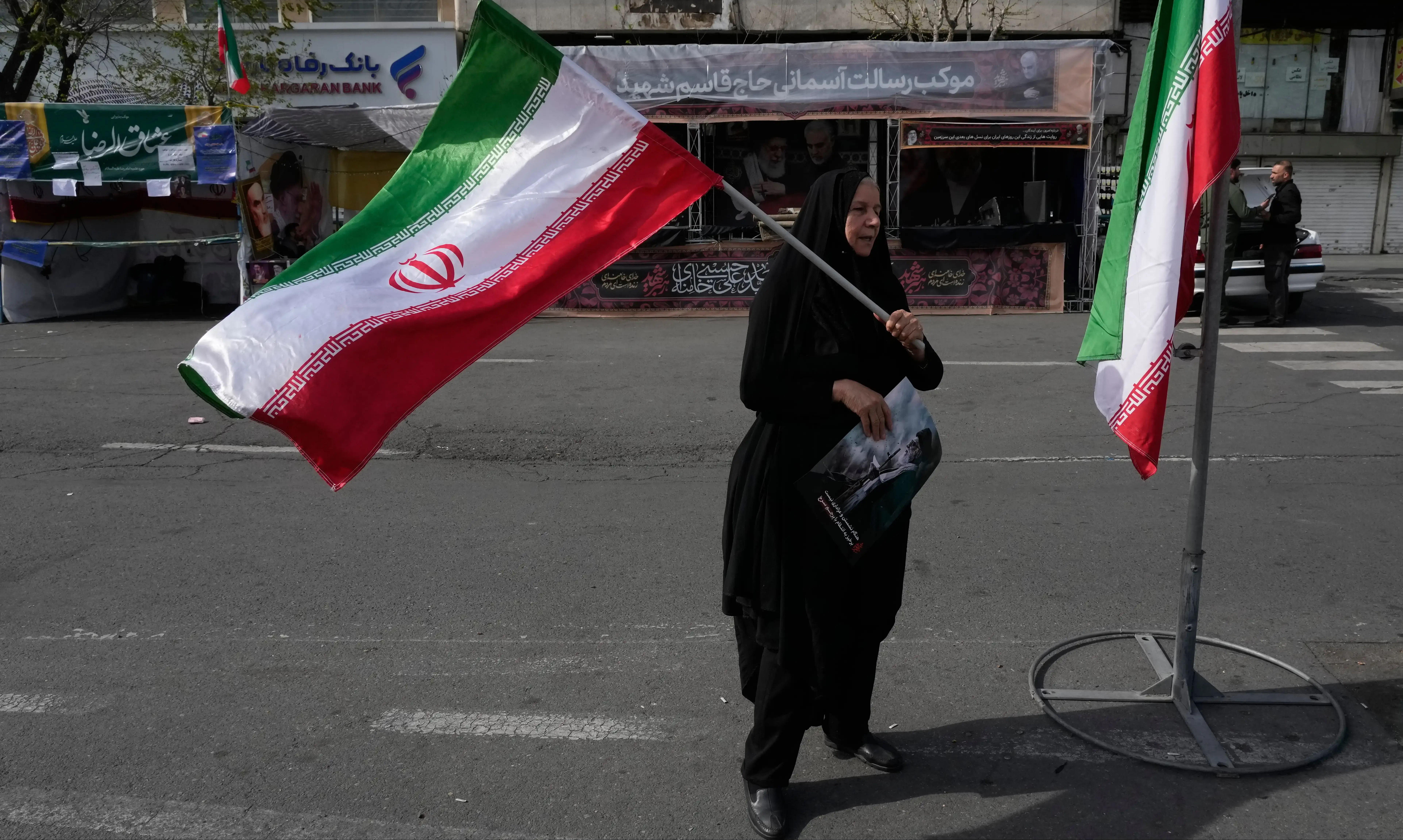
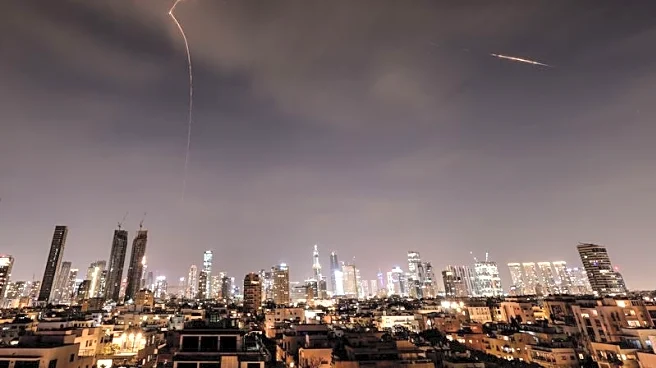
The United States has intensified its military operations against Iran, focusing on securing the Strait of Hormuz, a critical chokepoint for global oil and LNG flows. This move comes as part of a broader campaign to weaken Iran's ability to disrupt shipping
through the strait, which handles about 20% of global oil flows. U.S. Treasury Secretary Scott Bessent announced that U.S. and Israeli forces are targeting Iranian military assets in the region. The conflict, now in its fourth week, has already led to disruptions in crude flows, contributing to a significant rise in global oil prices. President Trump has warned that further actions could be taken if Iran does not restore transit through the waterway.
Why It's Important?
The Strait of Hormuz is a vital artery for the global oil supply, and any disruption can have significant implications for the global economy. The current military operations and the resulting tensions have already caused U.S. gasoline prices to surge by over 30% in the past month. The ongoing conflict poses a risk of further tightening global oil supplies, which could lead to increased market volatility and economic instability. The U.S. administration views the campaign as essential for ensuring long-term stability in energy markets by neutralizing threats to key infrastructure and shipping routes.
What's Next?
As the situation develops, the timing of the reopening of the Strait of Hormuz will be crucial in determining the future trajectory of oil prices and global supply. Market participants are closely monitoring the status of the strait, as any prolonged disruption could force Gulf producers to adjust production and draw down inventories, further impacting prices. The U.S. and its allies may continue to exert military and diplomatic pressure on Iran to ensure the safe passage of oil tankers through the strait.