


What's Happening?
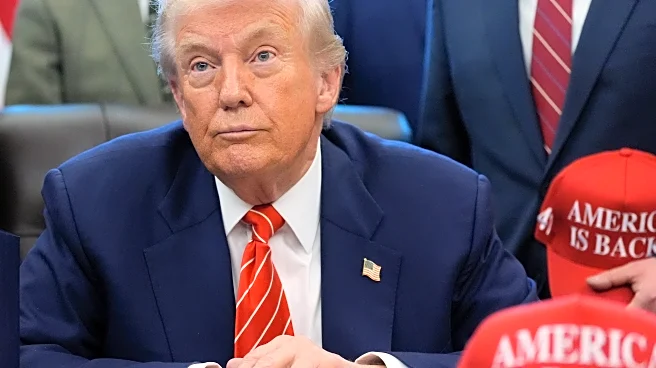
The federal government has reopened following a brief partial shutdown, with a new funding package passed by the U.S. House of Representatives and signed into law by President Trump. This package includes five spending bills that secure funding for most
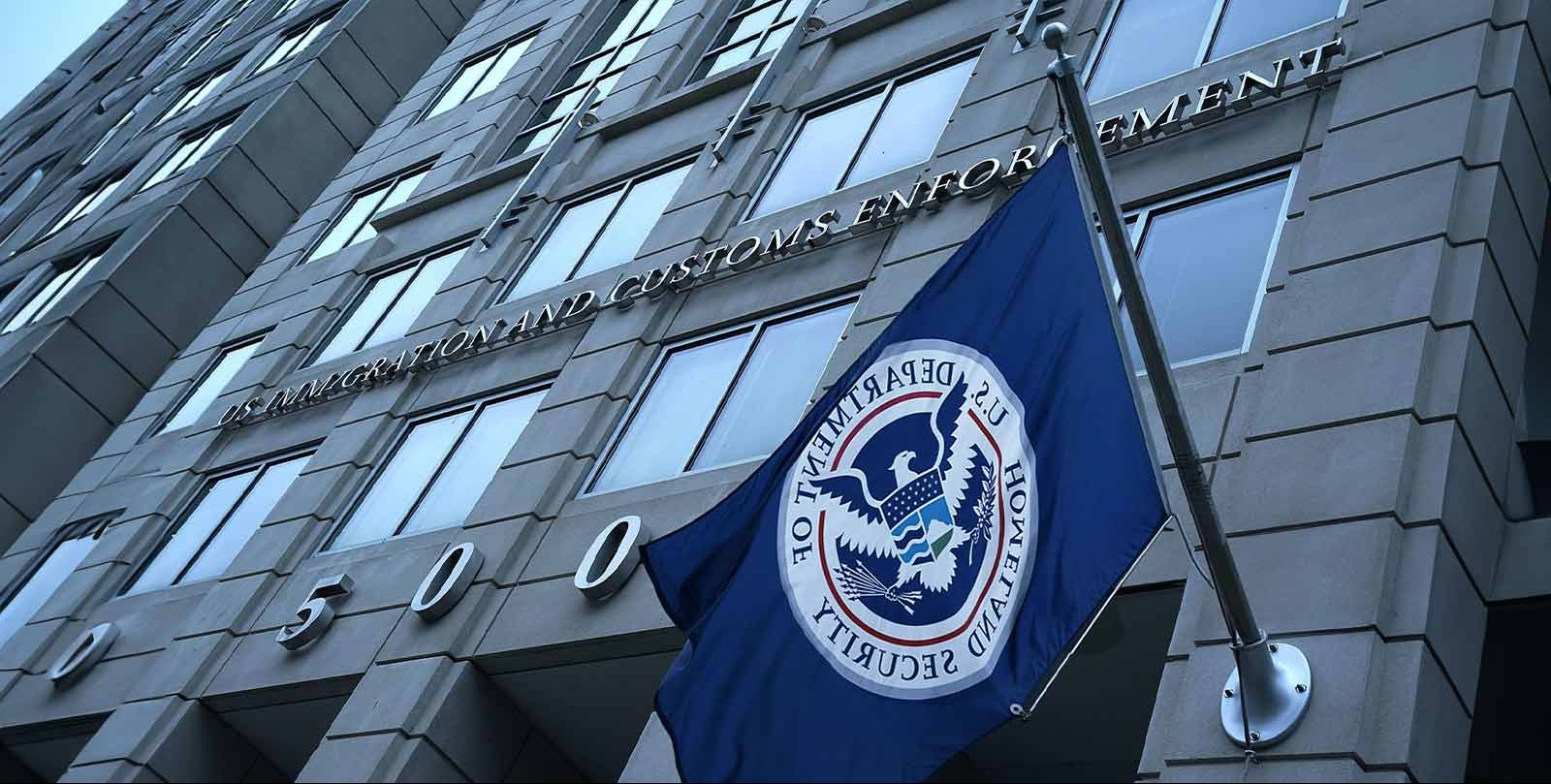
federal agencies through September 30, 2026. Key agencies such as the U.S. Department of Labor, the National Labor Relations Board, and the U.S. Equal Employment Opportunity Commission are included in this funding. However, the U.S. Department of Homeland Security (DHS) remains partially funded, with only temporary funding secured until February 13, 2026. This leaves DHS vulnerable to another shutdown if a long-term funding agreement is not reached. The delay in securing full-year funding for DHS is attributed to ongoing debates over policies related to Customs and Border Protection and Immigration and Customs Enforcement.
Why It's Important?
The reopening of the federal government ensures the continuation of essential services and operations across various agencies, which is crucial for maintaining economic stability and public confidence. However, the uncertainty surrounding DHS funding poses significant risks, particularly in areas related to national security and immigration enforcement. The temporary nature of DHS funding could lead to operational disruptions if a resolution is not reached, affecting border security and immigration processes. The situation highlights the ongoing political challenges in reaching consensus on immigration-related issues, which have broader implications for U.S. policy and security. The potential for another shutdown could also impact federal employees and contractors, leading to economic and social repercussions.
What's Next?
Lawmakers face a tight deadline to negotiate a long-term funding solution for DHS before the temporary funding expires on February 13, 2026. Failure to reach an agreement could result in another shutdown, affecting DHS operations. The ongoing debates are likely to focus on immigration policies, with potential changes to Customs and Border Protection and Immigration and Customs Enforcement being key points of contention. The outcome of these negotiations will be closely watched by stakeholders, including federal employees, contractors, and communities reliant on DHS services. The situation underscores the need for bipartisan cooperation to avoid further disruptions.