




What's Happening?
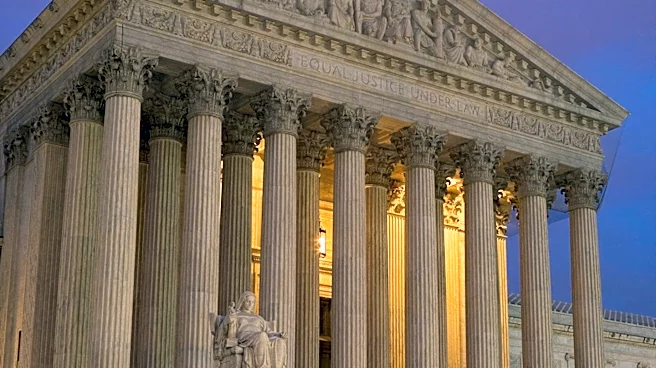
Attorney General Jeff Jackson, alongside a bipartisan coalition of 30 attorneys general, has filed an amicus brief with the Supreme Court of the United States. The brief advocates for the release of frozen Taliban funds to victims and families of the September
11 terrorist attacks. Victims have secured judgments totaling approximately $17 billion against the Taliban. However, the U.S. Court of Appeals for the Second Circuit ruled that $3.5 billion of these frozen assets, held by Da Afghanistan Bank (DAB) at the Federal Reserve Bank of New York, cannot be used to satisfy these judgments. The Second Circuit's decision was based on the timing of the asset freeze, which occurred on August 15, 2021, the day the Taliban captured Kabul, and before the Taliban had fully installed its own governors at the bank. Attorney General Jackson's brief argues that this interpretation of the Terrorism Risk Insurance Act (TRIA) is incorrect and that the law should apply regardless of when the Taliban assumed control.
Why It's Important?
This legal challenge is crucial for 9/11 victims and their families who have been seeking compensation for their losses for over two decades. The Terrorism Risk Insurance Act (TRIA), enacted after the 9/11 attacks, was designed to allow assets of terrorist parties in the U.S. to be used to pay judgments obtained by victims. The Second Circuit's ruling has created a significant hurdle, potentially preventing these victims from receiving the compensation they are legally owed. A Supreme Court review and a favorable decision could set a precedent, ensuring that frozen assets of designated terrorist entities are accessible for victim compensation, reinforcing the intent of TRIA. Conversely, if the Supreme Court upholds the Second Circuit's decision, it could limit the avenues for victims of terrorism to claim damages from state-sponsored or state-controlled assets, potentially impacting future cases and the perceived effectiveness of such legislation.
What's Next?
The Supreme Court will now consider the petition to review the Second Circuit's ruling. If the Supreme Court grants the review, it will hear arguments from both sides regarding the interpretation of the Terrorism Risk Insurance Act and the applicability of the frozen funds to the 9/11 victims' judgments. A decision from the Supreme Court could either affirm the Second Circuit's stance, leaving the $3.5 billion inaccessible to the victims, or overturn it, paving the way for the funds to be used for compensation. The outcome will have direct financial implications for the 9/11 victims and their families and will clarify the legal framework for seizing and distributing assets of terrorist entities in the U.S. The bipartisan support from attorneys general underscores the national interest in resolving this issue in favor of the victims.
Beyond the Headlines
Beyond the immediate financial implications for 9/11 victims, this case touches upon complex legal and ethical questions regarding sovereign immunity and the definition of a 'terrorist party' in the context of rapidly changing political landscapes. The timing of the asset freeze relative to the Taliban's consolidation of power in Afghanistan is a central point of contention, highlighting the challenges of applying legal statutes to fluid geopolitical situations. The case also implicitly raises questions about the U.S. government's broader strategy for dealing with assets of regimes that harbor or support terrorism, and the balance between international financial regulations and domestic justice for victims. The Supreme Court's decision could influence how future administrations approach similar situations, potentially impacting international financial relations and counter-terrorism policies.