






What's Happening?
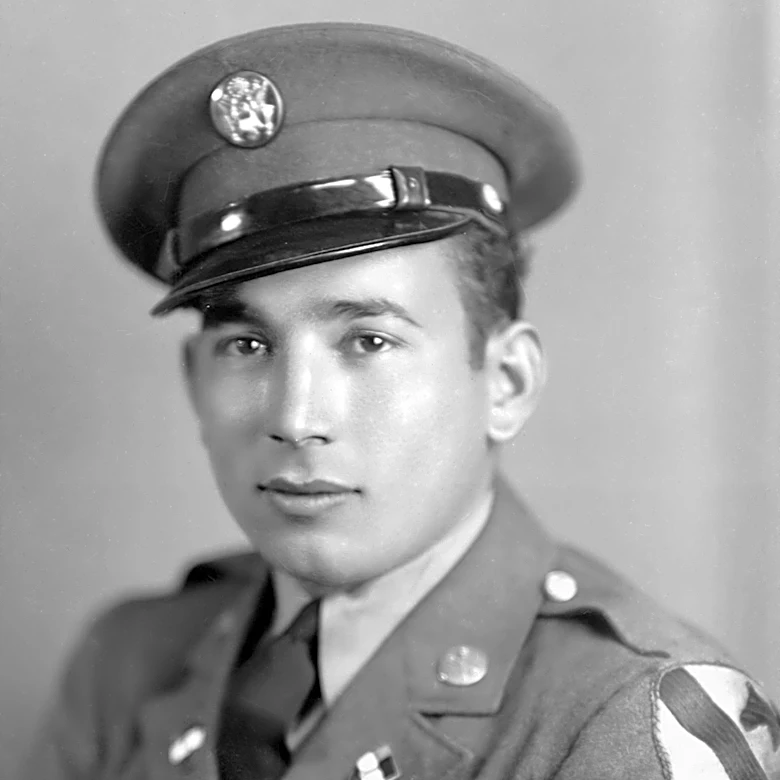
The Civil Air Patrol (CAP) played a crucial, though often unrecognized, role in U.S. homeland security during World War II. Formed by civilian aviators, CAP undertook critical missions when the U.S. military lacked the resources to fully address threats.
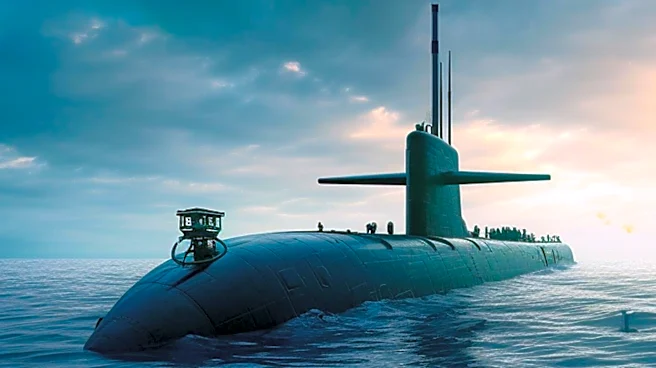
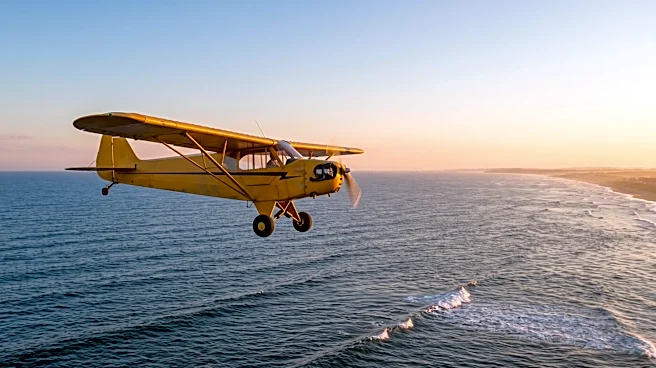
These missions included coastal patrols to hunt German U-boats, which were sinking Allied shipping along the Atlantic and Gulf coastlines. CAP aircraft, often privately owned and minimally equipped, flew extensive patrols, reporting suspected submarines and even engaging them with small bombs and depth charges. Beyond coastal defense, CAP also conducted border patrols along the Rio Grande, courier services for the Army Air Forces, search and rescue operations for lost military aircraft, and various observation flights for blackouts and camouflage effectiveness. Their efforts significantly contributed to deterring enemy submarine activity and supporting the war effort on the home front.
Why It's Important?
The historical contributions of the Civil Air Patrol during World War II are important for understanding the depth of civilian involvement in national defense and the adaptability of U.S. security efforts during times of crisis. CAP's actions demonstrated how a volunteer force could fill critical gaps in military capabilities, protecting vital shipping lanes and securing borders, which were essential for sustaining the war effort and preventing economic collapse. Their success in deterring U-boat attacks directly impacted the flow of supplies and resources, safeguarding the U.S. economy and military logistics. This historical precedent underscores the enduring value of civilian auxiliary forces in augmenting national security, providing a model for how non-military organizations can contribute significantly to homeland defense and emergency response, even in modern contexts.
What's Next?
While the immediate context is historical, the legacy of CAP's World War II service continues to influence its modern role as the official auxiliary of the U.S. Air Force. The recognition of their past contributions, such as the Congressional Gold Medal awarded in 2014, reinforces the importance of volunteerism in national service. Moving forward, CAP continues to provide essential emergency services, aerospace education, and cadet programs, drawing on its foundational principles of readiness and community support. The historical narrative serves as a reminder for contemporary policymakers and military planners about the potential of civilian resources in addressing evolving security challenges, from disaster relief to cybersecurity, and the need to foster such partnerships.
Beyond the Headlines
The story of the Civil Air Patrol in World War II reveals deeper insights into American patriotism and the spirit of volunteerism. Many CAP members, including those who flew dangerous coastal patrols, received little recognition at the time, simply returning to their civilian lives after the war. This highlights a cultural dimension of selfless service, where individuals were motivated by duty rather than personal gain. The diverse backgrounds of CAP members, including women and young cadets, also underscore the inclusive nature of the war effort and how it broke down societal barriers, paving the way for greater participation of various groups in national service. The challenges faced by these early aviators, such as inadequate equipment and perilous conditions, also serve as a testament to human ingenuity and resilience in the face of adversity, shaping a legacy that continues to inspire current and future generations of volunteers.