
What's Happening?
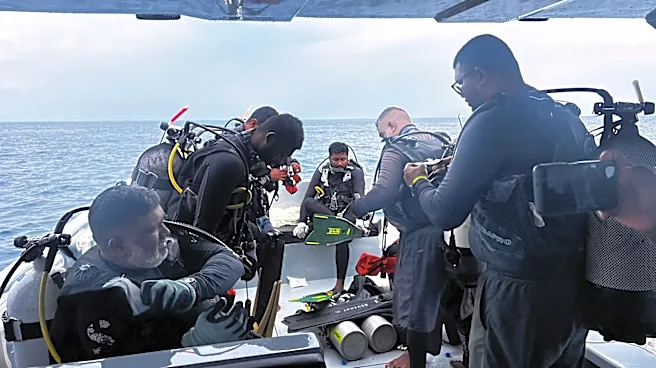
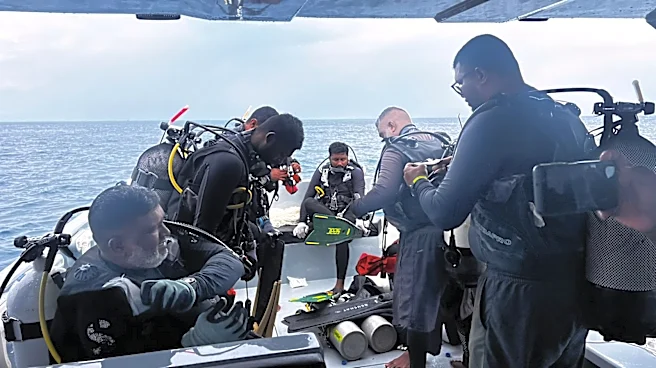
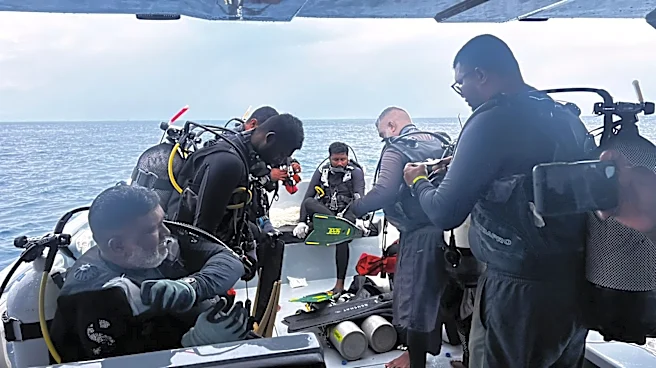
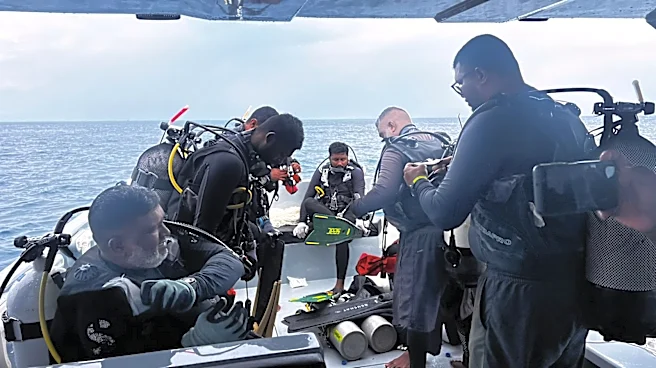
Monica Montefalcone, a leading seagrass scientist, died in a diving accident in the Maldives. She was known for her work on Posidonia oceanica, a vital seagrass species in the Mediterranean. Montefalcone's research focused on the ecological importance
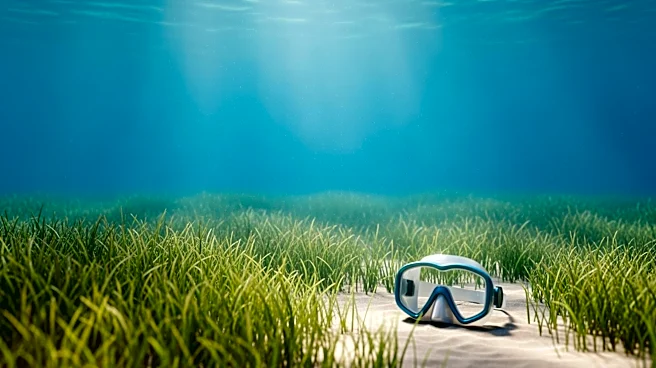
of seagrass meadows, which provide habitat, carbon storage, and coastal protection. Her work emphasized the need for restoration efforts due to significant losses of seagrass habitats. Montefalcone was an associate professor at the University of Genoa and coordinated the Marine Landscape Ecology Laboratory. Her contributions to marine ecology and education were widely recognized.
Why It's Important?
Montefalcone's death is a significant loss to the field of marine ecology. Her research on seagrass ecosystems has been crucial in understanding their role in marine biodiversity and climate regulation. The loss of seagrass meadows has severe implications for marine life and coastal protection. Montefalcone's work highlighted the need for active restoration efforts to combat habitat loss. Her passing may inspire renewed focus on seagrass conservation and the continuation of her research by her colleagues and students.
Beyond the Headlines
Montefalcone's career was marked by her dedication to teaching and mentoring young researchers. Her work in mapping and restoring seagrass meadows has left a lasting impact on marine conservation efforts. Her approach to combining scientific research with practical restoration solutions serves as a model for addressing environmental challenges. The scientific community may honor her legacy by advancing her research and promoting awareness of the importance of seagrass ecosystems.