



What's Happening?
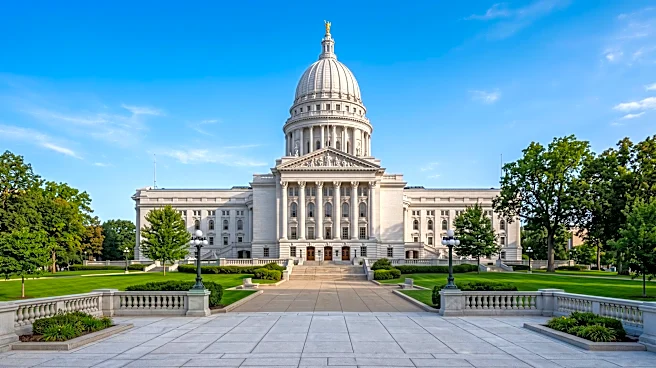
Democrats have achieved full control of Wisconsin's state government, marking the first time since 2010 that the party will hold the governorship and majorities in both the State Assembly and Senate. This shift occurred after Democrats won all four of their
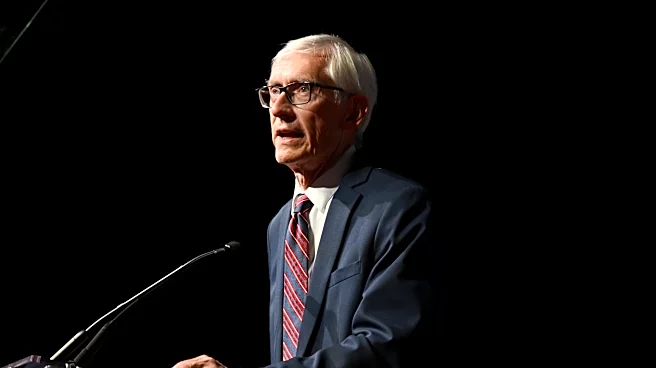
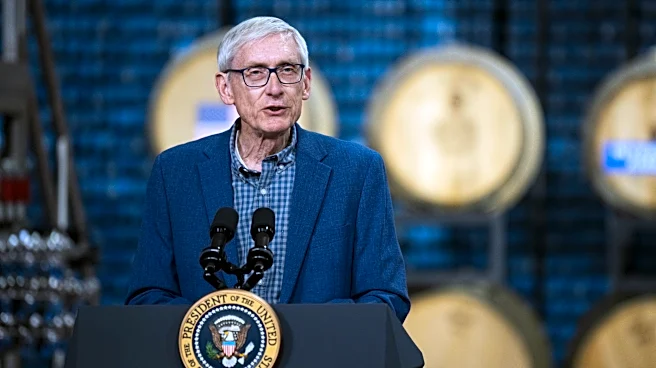
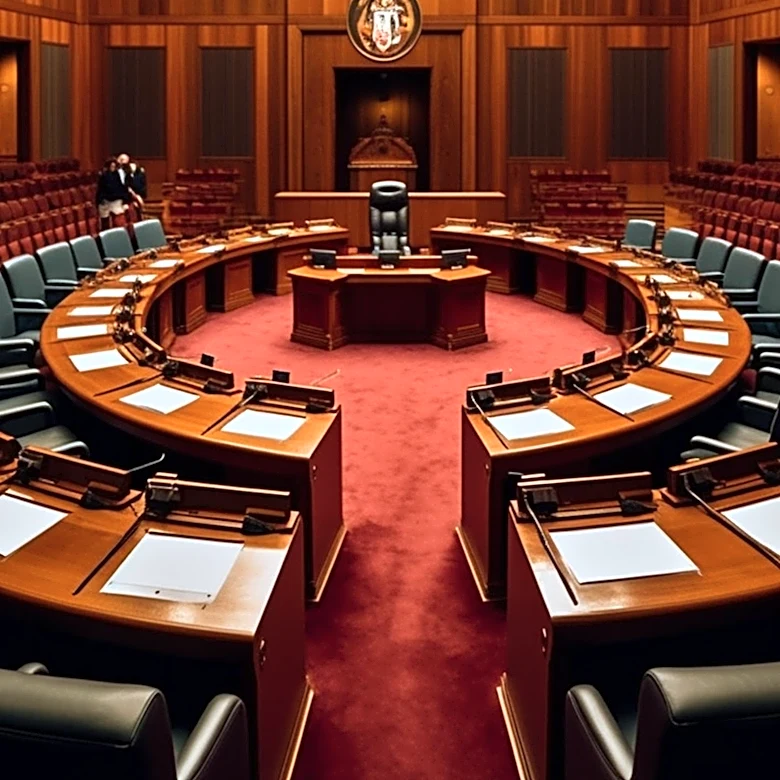
targeted State Senate races in the recent election, securing an 18-15 majority in the Senate and a 53-46 majority in the Assembly. Governor-elect David Crowley is preparing for his new role, with a transition team expected to be announced soon. The Republican-led Joint Finance Committee is scheduled to approve funds for Crowley’s transition budget. Meanwhile, legislative caucuses are meeting to determine their leadership for the upcoming session. Senate Democrats and Assembly Democrats are set to choose their leaders, with current Minority Leaders Dianne Hesselbein and Greta Neubauer expressing their intent to seek the top positions. Senate Republicans have already elected Sen. Julian Bradley as their new minority leader, making him the first Black lawmaker to serve as a caucus leader in Wisconsin. Outgoing Governor Tony Evers is also expected to make final decisions on pardons and commutations before leaving office.
Why It's Important?
This Democratic trifecta in Wisconsin signifies a major political shift with substantial implications for the state's policy direction. For over a decade, Wisconsin has experienced divided government, often leading to legislative stalemates and policy battles. With unified control, Democrats are now positioned to advance a comprehensive legislative agenda that aligns with their party platform. This could include significant changes in areas such as healthcare, public education funding, environmental regulations, and social policies. The ability to pass legislation without needing bipartisan compromise in the legislature, and with a Democratic governor to sign bills into law, means that long-stalled Democratic priorities could now move forward. This shift will likely impact various stakeholders, including public sector unions, educational institutions, healthcare providers, and businesses, as new policies are enacted. The change in power also sets the stage for potential reforms to the state's tax system and electoral processes, which could have lasting effects on Wisconsin's political landscape and its citizens.
What's Next?
In the immediate future, Governor-elect David Crowley will focus on assembling his transition team and Cabinet, aiming for representation across the state. The Joint Finance Committee will approve his transition budget. Legislative caucuses will finalize their leadership, with Senate Democrats and Assembly Democrats preparing to take control. Governor Evers will announce his final decisions on pardons and commutations, a process that has seen him issue a record number of pardons. A special election is scheduled for December 15 in Waukesha County to elect a new county executive, following the death of Paul Farrow. State Rep. Adam Neylon and Sen. Chris Kapenga are the sole candidates, and if either wins, they will resign from their legislative seats, potentially triggering further special elections. Inauguration and swearing-in ceremonies for Crowley and other statewide officials are set for January 4, 2027, marking the official start of the new legislative session. Governor Crowley is also required to present his first biennial budget to the Legislature by the last Tuesday in January, outlining his financial plan and key priorities, which he has indicated will include lowering costs for healthcare and childcare. Additionally, another Wisconsin Supreme Court election is scheduled for April, with a possible primary in February, to fill an open 10-year seat.
Beyond the Headlines
The Democratic trifecta in Wisconsin could lead to a fundamental re-evaluation of the state's approach to governance and public services. Beyond immediate policy changes, this unified control may enable Democrats to address systemic issues that have been contentious for years, such as the state's school funding formula, which has been criticized for its reliance on local referendums and declining state support. Advocates are calling for significant overhauls, including increased state funding for public schools and special education, and potentially repealing Act 10, a union-busting law. The new administration might also explore expanding BadgerCare and reforming the prison system. However, newly elected State Representative John Kroll has cautioned against pushing a singular agenda, emphasizing the need to listen to all constituents. The long-term implications could include shifts in the state's economic development strategies, social safety nets, and environmental protection efforts, potentially altering Wisconsin's identity as a swing state and setting a precedent for other states with similar political dynamics. The ability of the new Democratic leadership to deliver on their promises and navigate potential internal divisions will be crucial in shaping the state's future.