




What's Happening?
The Lexington mayor’s office has announced a significant overhaul of the city’s snow and ice response plan, described as the “biggest overhaul in 30 years.” This 44-page plan addresses various aspects including treatment methods, communications, equipment,
supplies, engagement with outside partners, and street priority rankings. Key changes include a commitment to salting all ranked streets within four hours of a storm's onset, increasing the number of drivers in the response team, and establishing a public weather dashboard to display response data. Additionally, the plan merges Rank 3 and Rank 4 streets into a single category and reassigns major arterial roads like Man O’War, Alumni, Polo Club, and Clays Mill to contractors, allowing city crews to focus on lower-ranked roads. The city has also secured agreements with eight disaster response contractors and plans to implement a stronger incident command structure based on recommendations from a previous After Action Review. This comprehensive update comes in response to widespread criticism regarding the city's handling of a winter storm in late January and February, which led to Fayette County Public Schools students missing eleven days of school.
Why It's Important?
This overhaul is important for Lexington residents as it directly addresses public safety and daily life disruptions caused by severe winter weather. The previous storm's impact, which included extended school closures and significant public dissatisfaction, highlighted critical deficiencies in the city's operational strategy and communication. By implementing a more structured and resourced plan, the city aims to minimize future disruptions, ensure safer roadways, and restore public confidence in its emergency response capabilities. The involvement of contractors for major routes could free up city resources for more localized issues, potentially improving overall efficiency. Furthermore, the public weather dashboard signifies a move towards greater transparency and accountability, allowing residents to track the city's progress during snow and ice events. The financial commitment of approximately $4 million for these changes underscores the city's recognition of the economic and social costs associated with inadequate winter preparedness, aiming to prevent similar widespread impacts on education, commerce, and community well-being.
What's Next?
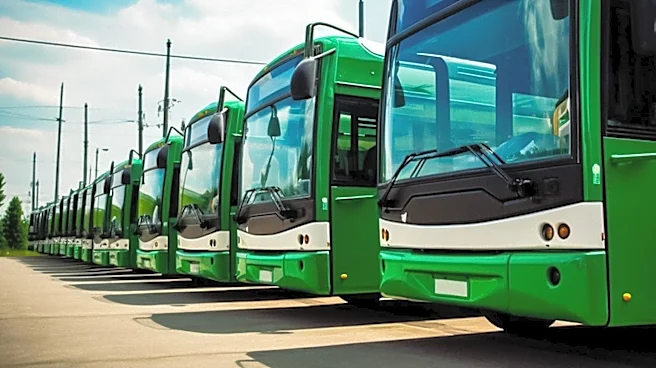
The 44-page snow and ice plan is scheduled to be presented to the public and the Urban County Council’s Environmental Quality and Public Works Committee on October 13. Following this presentation, the city will begin testing the new plan, with officials indicating it is a “living plan” that will be refined based on testing and evolving weather patterns. A critical next step involves coordination with the Fayette County Public Schools district, as updated school bus routes have added over 350 lane miles to the streets requiring clearance, a volume deemed unmanageable with existing city resources. The school district is currently developing an alternative plan to address this challenge. The city will also need to effectively integrate the new supervisory staff and incident command structure to ensure smooth operations and consistent communication during future winter events. The success of this overhaul will depend on its practical implementation and the city's ability to adapt to unforeseen challenges, with residents and council members closely monitoring its effectiveness in the upcoming winter seasons.
Beyond the Headlines
Beyond the immediate operational improvements, this snow and ice plan overhaul reflects a broader shift in municipal governance towards greater responsiveness and adaptive planning in the face of changing environmental conditions. The acknowledgment that “the last two years have been well outside historical norms” for weather patterns suggests a recognition of climate variability and the need for flexible infrastructure and emergency protocols. This initiative could serve as a model for other U.S. cities grappling with the increasing unpredictability of extreme weather events. The emphasis on public input, including feedback from salt truck drivers, first responders, schools, and residents, highlights a participatory approach to policy-making, fostering community resilience. The resignation of the former commissioner and the mayor's decision to scrap the old plan also underscore the political accountability associated with public service delivery, demonstrating that significant failures can lead to leadership changes and comprehensive policy reforms. This proactive stance aims not just to clear roads, but to build a more resilient and responsive urban environment.