


What's Happening?
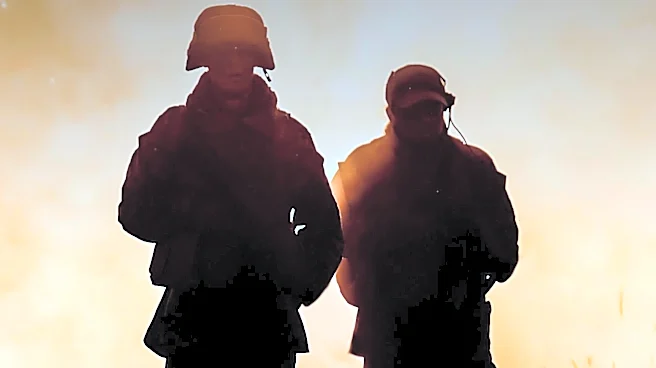
A new account titled 'BRAVERY & BETRAYAL: The True Story of the S.A.S. in Afghanistan' is set to reveal the experiences of Australian Special Air Service (S.A.S.) members who were deployed to Afghanistan and Iraq following the 9/11 attacks. This narrative
aims to provide an in-depth look into their service and the ongoing challenges they face 25 years later. The story will feature exclusive, never-before-seen interviews with S.A.S. officers and soldiers, offering their perspectives on what transpired during their deployments. Additionally, former Prime Ministers Rudd, Howard, and Abbott will share their insights for the first time, alongside American Army pilots who will recount their observations from the ground. The account also includes poignant stories from the wives, mothers, widows, and children of the S.A.S. members, highlighting the personal toll of the War on Terror.
Why It's Important?
This forthcoming account is significant as it sheds light on the often-unseen human cost of military engagements, particularly for elite forces like the S.A.S. By providing a platform for soldiers, their families, and political leaders to share their experiences, it offers a comprehensive view of the sacrifices made in the wake of 9/11. The inclusion of perspectives from former Prime Ministers and American Army pilots adds a multi-faceted dimension, connecting the strategic decisions with the on-the-ground realities. For the U.S., understanding the experiences of allied forces like the Australian S.A.S. can provide valuable insights into the broader impact of international military operations and the long-term welfare of service members. It underscores the enduring challenges faced by veterans and their families, prompting reflection on support systems and the societal responsibilities towards those who served.
What's Next?
The release of 'BRAVERY & BETRAYAL: The True Story of the S.A.S. in Afghanistan' is expected to generate considerable discussion and potentially influence public discourse on military service, veteran support, and the legacy of the War on Terror. It may prompt further examination of the psychological and physical well-being of service members, particularly those involved in prolonged conflicts. The personal accounts from families could also highlight the need for enhanced support services for military spouses and children. Depending on the revelations within the account, there could be calls for policy reviews regarding military deployments, veteran care, and the accountability of political leadership in wartime decisions. The narrative's impact could extend to academic research, documentary filmmaking, and public awareness campaigns focused on the experiences of those who served.
Beyond the Headlines
Beyond the immediate narratives of bravery and betrayal, this account could foster a deeper societal understanding of the complex ethical and moral dilemmas faced by soldiers in conflict zones. The 'suffering continues' aspect suggests a long-term impact on mental health and social reintegration, which is a critical issue for veterans globally, including in the U.S. The involvement of political leaders in sharing their knowledge for the first time could also open up discussions about transparency and accountability in wartime decision-making. Furthermore, the inclusion of American Army pilots' perspectives highlights the interconnectedness of allied forces and the shared experiences across different nations involved in the same conflicts. This collective storytelling can contribute to a more nuanced historical record of the post-9/11 era and inform future approaches to international military cooperation and veteran welfare.