
What's Happening?
The Greene County Clerk's Office in Springfield is adopting NaviLens technology to improve accessibility for individuals who are blind or visually impaired. This initiative, in partnership with NaviLens and
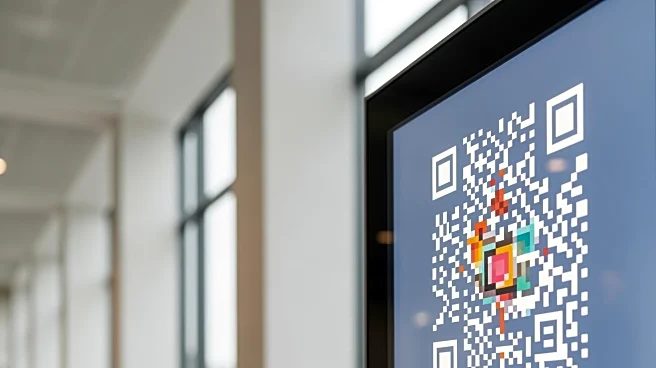
Mary's Braille International, involves the use of multi-colored codes similar to QR codes. These codes can be detected by the NaviLens app, which provides audio information about the surroundings, including directions and distances. The technology supports over 40 languages and can detect codes from up to 50 feet away, even in low lighting conditions. Greene County Clerk Shane Schoeller emphasized the importance of making government services accessible to all citizens, ensuring they can navigate facilities independently.
Why It's Important?
The implementation of NaviLens technology in Greene County represents a significant step towards inclusivity in public services. By enhancing accessibility for the visually impaired, the Clerk's Office is setting a precedent for other government entities to follow. This move not only empowers individuals with disabilities but also aligns with broader societal goals of equal access and participation. The technology's ability to provide real-time audio information can greatly enhance the independence and confidence of visually impaired individuals when accessing government services, voting, or conducting other business.
What's Next?
Residents are encouraged to download the NaviLens app and experience the technology during their next visit to the Greene County Clerk's Office. The success of this initiative could lead to wider adoption of NaviLens technology in other government offices and public spaces, further promoting accessibility. As more entities recognize the benefits of such technology, there may be increased collaboration with companies like NaviLens to expand its use across various sectors.
Beyond the Headlines
The introduction of NaviLens technology in Greene County could inspire other counties and states to consider similar measures, potentially leading to a nationwide shift towards more accessible public services. This development also highlights the growing role of technology in addressing accessibility challenges, showcasing how innovative solutions can bridge gaps and foster inclusivity. As technology continues to evolve, it may offer even more sophisticated tools to support individuals with disabilities, enhancing their quality of life and participation in society.