




What's Happening?
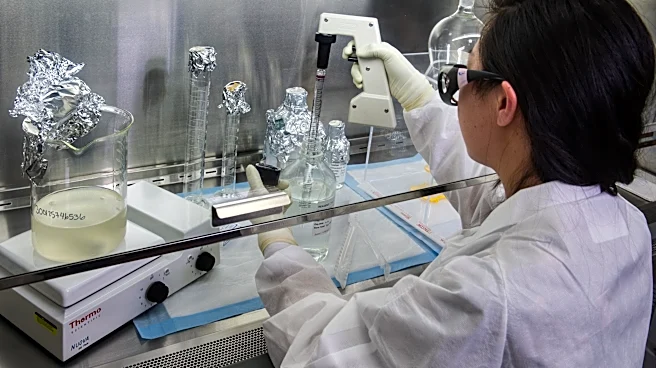
Recent research emphasizes the ongoing development and importance of plant cryopreservation techniques, particularly for tropical horticultural genetic resources. Studies are focusing on optimizing freezing processes to ensure the long-term viability
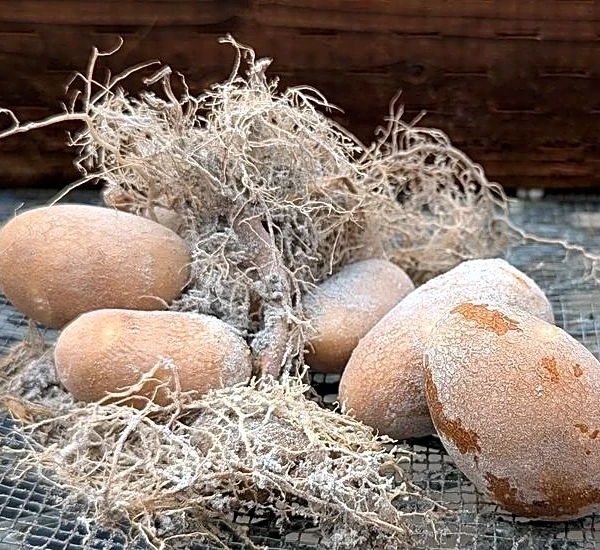
of plant genetic material. This includes efforts to conserve diverse plant species, such as coconut pollen, which are crucial for agricultural biodiversity and food security. The scientific community is exploring advanced cooling technologies and integrated approaches to improve the effectiveness of cryopreservation. These methods are vital for safeguarding genetic diversity against threats like climate change, habitat degradation, and genetic erosion, which disproportionately affect tropical horticultural crops. The goal is to bridge the gap between conservation efforts and practical applications in crop improvement and sustainable agricultural systems.
Why It's Important?
The advancements in plant cryopreservation are critical for global food security and agricultural sustainability. Tropical horticultural crops, which are often underutilized and insufficiently documented, represent a significant source of genetic diversity essential for developing climate-resilient crops and improving nutritional outcomes. By effectively cryopreserving these genetic resources, scientists can protect valuable traits that might otherwise be lost due to environmental pressures or changing agricultural practices. This conservation work directly supports crop improvement programs, allowing for the development of new varieties that can withstand adverse conditions and contribute to more productive and resilient food systems. The ability to store genetic material long-term also provides a crucial safeguard against unforeseen future challenges, ensuring that future generations have access to a diverse genetic pool for agricultural innovation.
What's Next?
Future efforts in plant cryopreservation are expected to focus on further refining existing techniques and exploring novel approaches to enhance viability and reduce cellular damage during freezing and thawing. This includes continued research into cryoprotectants, cooling rates, and storage conditions tailored to specific plant species and tissue types. There will likely be an increased emphasis on integrating cryopreservation with other conservation strategies, such as in situ and on-farm conservation, to create comprehensive genetic resource management systems. Additionally, the development of more accessible and cost-effective cryopreservation protocols could facilitate broader adoption by research institutions and agricultural organizations worldwide, particularly in regions rich in biodiversity but with limited resources. Collaboration between international research bodies will also be key to standardizing practices and sharing knowledge to maximize conservation impact.
Beyond the Headlines
The broader implications of advanced plant cryopreservation extend beyond immediate agricultural benefits. Ethically, it raises questions about humanity's responsibility to preserve biodiversity and the long-term stewardship of genetic resources. Legally, it may necessitate the development of international frameworks for germplasm exchange and intellectual property rights related to conserved genetic material. Culturally, the preservation of traditional crop varieties and landraces through cryopreservation helps maintain the heritage and knowledge associated with these plants, which are often integral to local communities and food systems. This scientific endeavor also highlights a long-term shift towards proactive conservation strategies, recognizing that genetic diversity is a fundamental asset for adapting to an unpredictable future. It underscores the interconnectedness of environmental health, food security, and human well-being, positioning cryopreservation as a vital tool in the global effort to sustain life on Earth.