
What's Happening?
At the World Economic Forum, President Donald Trump reiterated his desire for the U.S. to acquire Greenland, citing its strategic importance and the need for American security presence. Trump criticized
Denmark for being 'ungrateful' despite past U.S. military support during World War II. He emphasized that only the U.S. can adequately defend Greenland, which he described as 'sitting undefended in a key strategic location.' Trump's remarks have further strained U.S.-European relations, as he seeks immediate negotiations with Denmark over the territory.
Why It's Important?
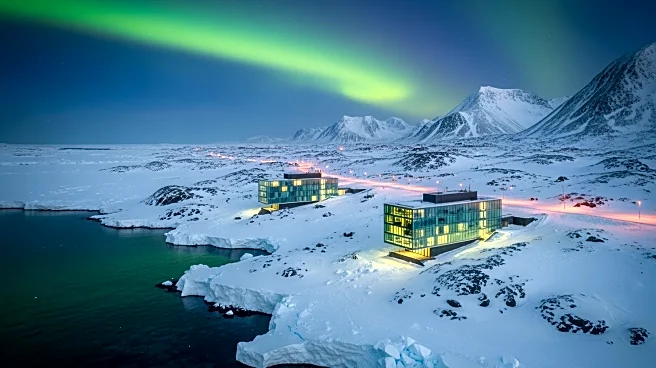
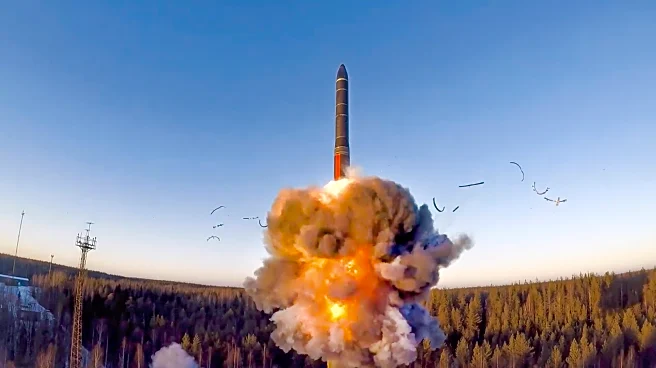
Trump's push for Greenland highlights the strategic significance of the Arctic region in global geopolitics, particularly in the context of U.S. national security and the presence of Russian and Chinese forces. The situation underscores the challenges in U.S.-Europe relations, as Trump's approach has been met with resistance from European allies. The potential acquisition of Greenland could have significant implications for Arctic security, resource access, and international diplomacy. The debate raises questions about sovereignty, self-determination, and the rights of territories versus the interests of larger nations.
What's Next?
Future developments may include diplomatic negotiations between the U.S., Denmark, and Greenland. The potential for military exercises or increased NATO involvement in the region could escalate tensions. Economic measures, such as tariffs, may be used as leverage by the U.S., potentially leading to retaliatory actions by European nations. The situation could also influence upcoming elections in Greenland, as political parties navigate the complex dynamics of independence and international relations. The outcome of these negotiations and actions will likely shape the future of Arctic geopolitics and U.S.-Europe relations.