



What's Happening?
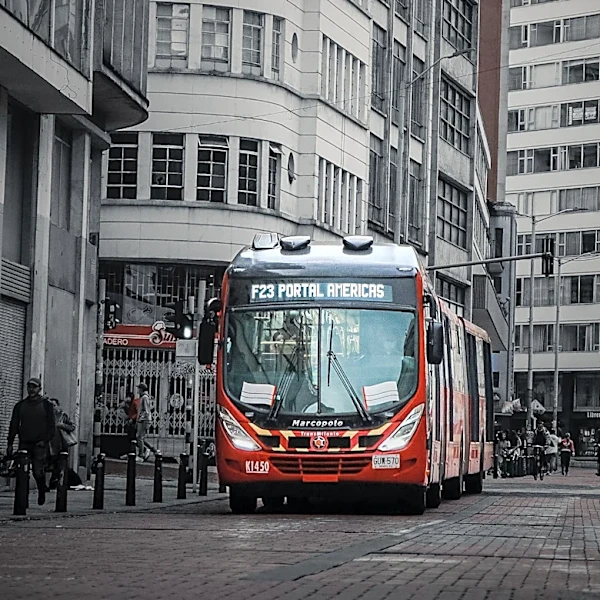
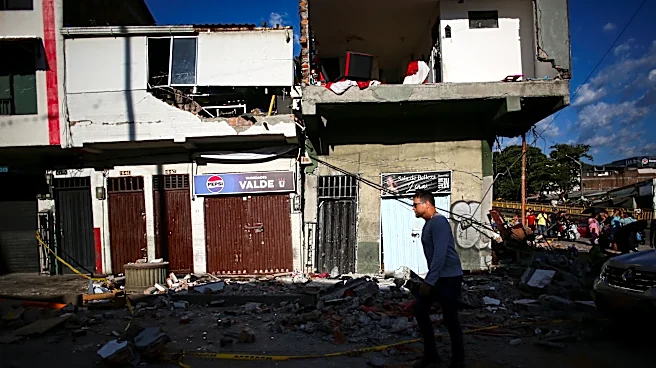
Cali, Colombia, has suspended its 'pico y placa' traffic restriction following a 7.4 magnitude earthquake that struck the region. The decision was made by the city's Mobility Secretariat to facilitate emergency response and recovery efforts. The earthquake,
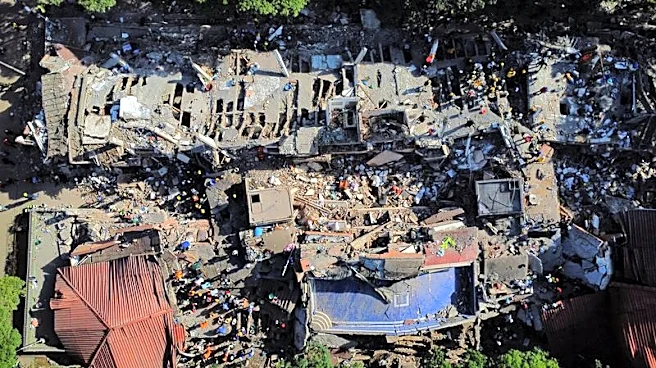
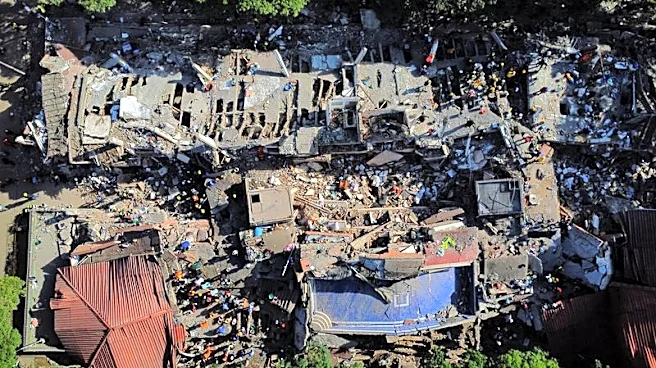
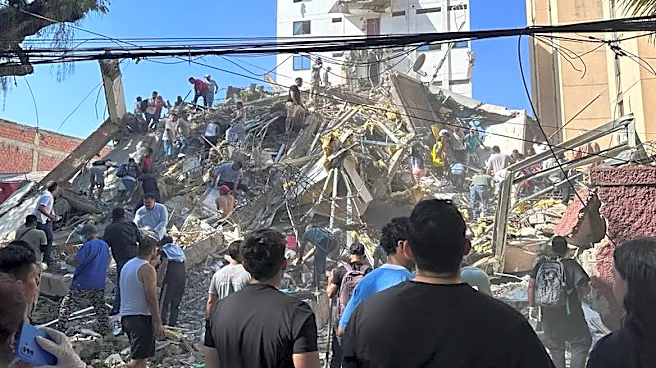
initially reported as a 6.7 magnitude, was later updated to 7.4 by the Colombian Geological Service. The suspension allows vehicles to move freely without the usual restrictions based on license plate numbers. The city's traffic agents are deployed across key access points to monitor the situation and ensure smooth mobility. The earthquake has caused significant disruptions, with reports of structural damage and numerous traffic accidents.
Why It's Important?
The suspension of traffic restrictions is crucial for emergency services to operate efficiently in the aftermath of the earthquake. It allows for the rapid deployment of rescue teams and the transportation of injured individuals to medical facilities. The decision also aids in the overall recovery process by enabling residents to access essential services and supplies. The earthquake's impact on infrastructure and public safety highlights the need for effective disaster response strategies. The situation underscores the importance of having flexible policies that can be quickly adapted to meet the needs of a city in crisis.
What's Next?
Authorities in Cali will continue to assess the damage and coordinate with emergency services to address the immediate needs of the affected population. The focus will be on restoring normalcy, repairing infrastructure, and providing support to those impacted by the earthquake. The city will likely conduct a thorough review of its disaster preparedness and response plans to improve future resilience. As the situation stabilizes, traffic restrictions may be reinstated, but only after ensuring that it will not hinder recovery efforts.