




What's Happening?
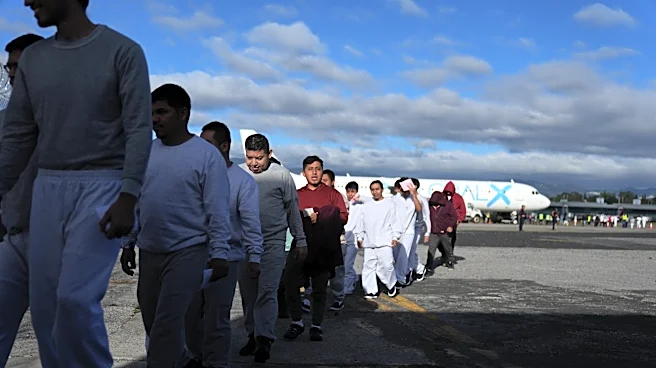
The Trump administration has deported approximately 2,300 Mexican nationals to Guatemala, a move that has drawn objections from the Mexican government. This action is part of President Trump's intensified efforts to deter cross-border immigration, which
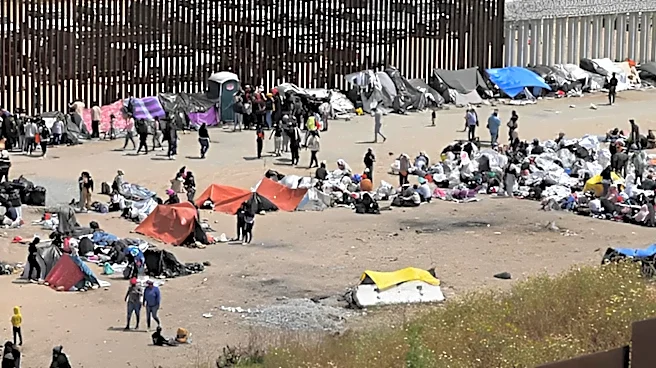
includes ramping up deportations to third countries. Guatemalan President Bernardo Arevalo confirmed the arrival of 2,284 Mexican nationals this year, stating that they are quickly repatriated to Mexico, with costs covered by either the Mexican or U.S. government. The U.S. Department of Homeland Security (DHS) has stated that it is utilizing all lawful options to carry out the largest deportation operation in history, as promised by President Trump. Critics, including human rights experts, view these third-country deportations as an intimidation tactic, aiming to instill fear in migrants. The Mexican Ministry of Foreign Affairs has expressed its opposition to this practice, asserting that every Mexican citizen has the right to enter their own country and has filed complaints regarding conditions in ICE detention centers.
Why It's Important?
This policy signifies a significant shift in U.S. immigration enforcement, moving towards more aggressive and potentially controversial methods of deterrence. The deportation of Mexican nationals to a third country, despite Mexico's objections, strains the diplomatic relationship between the two nations, which are also top trading partners. The Mexican government is attempting to balance cooperation with the Trump administration on immigration enforcement with its responsibility to defend the rights of its citizens. The practice raises concerns among human rights groups about the welfare of migrants, with reports of increased deaths in ICE custody and accusations of excessive violence during raids. The long-term implications could include a further deterioration of U.S.-Mexico relations and increased scrutiny of U.S. immigration practices by international bodies and human rights organizations. This approach also highlights the Trump administration's commitment to its campaign promises regarding immigration, potentially setting a precedent for future immigration policies.
What's Next?
The Trump administration is expected to continue its aggressive deportation campaign, potentially expanding third-country removals to deter cross-border immigration. The Mexican government will likely continue to voice its objections and pursue diplomatic avenues to protect its citizens, including filing more complaints and urging regular consular visits to detention centers. Human rights organizations like WOLA will continue to monitor and criticize these policies, potentially increasing public and international pressure on the U.S. government. The ongoing tension between the U.S. and Mexico over these deportation practices could impact other areas of their bilateral relationship, including trade and security cooperation. The situation may also lead to increased legal challenges against the U.S. government's deportation policies, as critics argue they violate human rights standards and international norms. The long-term effectiveness and ethical implications of using third-country deportations as a deterrence strategy will remain a subject of debate and scrutiny.
Beyond the Headlines
The practice of deporting Mexican nationals to third countries, such as Guatemala and Honduras, raises profound ethical and legal questions about the responsibilities of nations towards migrants. It challenges the traditional understanding of deportation, where individuals are typically returned to their country of origin. By sending migrants to countries with which they may have no connection, the U.S. is effectively stranding them far from home, potentially exacerbating their vulnerability and making reintegration more difficult. This approach could be seen as a form of collective punishment, designed to create a climate of fear that discourages future migration attempts. The Mexican government's struggle to balance cooperation with the U.S. and the defense of its citizens' rights underscores the complex geopolitical dynamics at play. Furthermore, the reported deaths in ICE custody and accusations of violence highlight broader concerns about accountability and human rights within the U.S. immigration enforcement system, potentially leading to calls for systemic reforms and greater oversight.