






What's Happening?
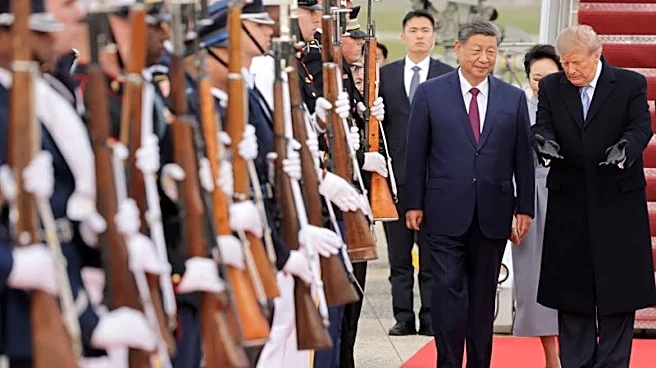
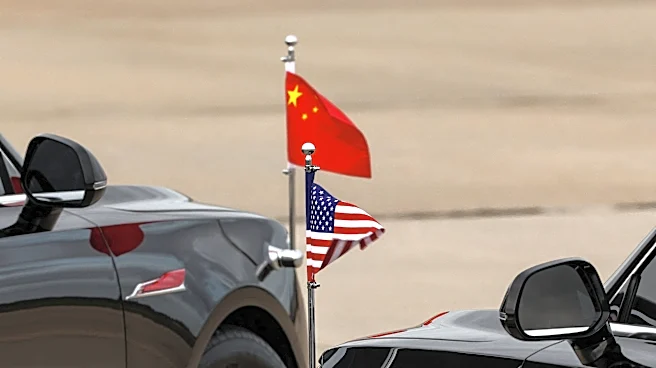
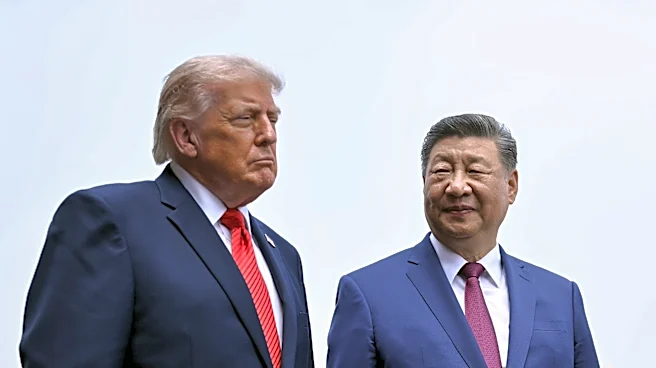
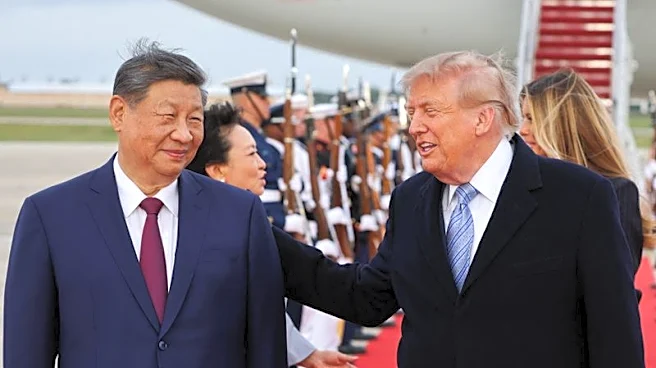
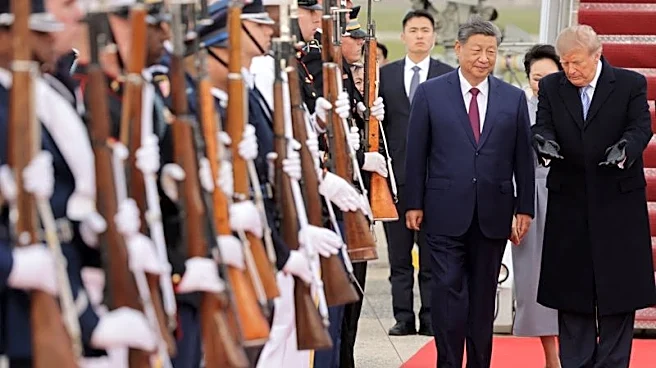
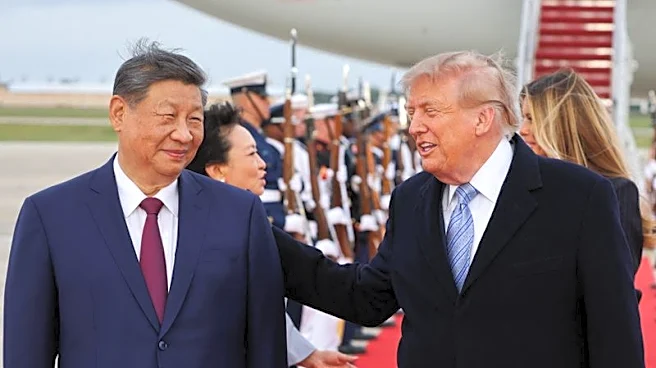
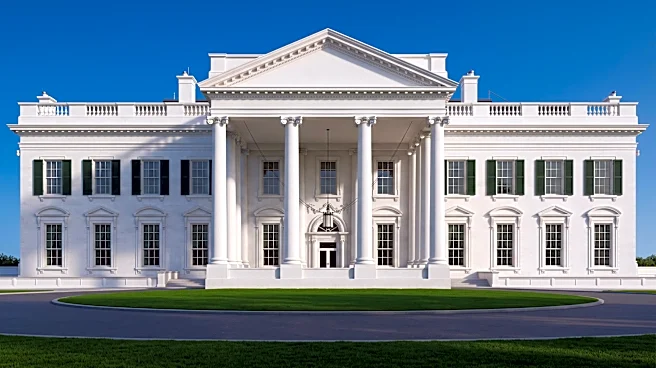
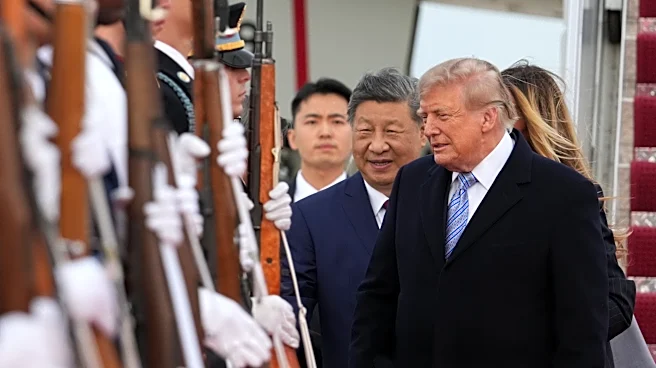
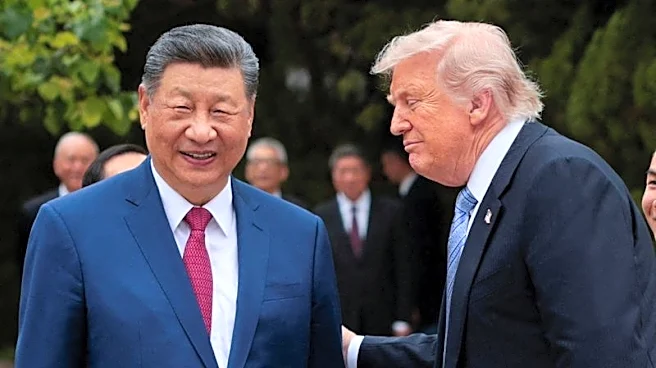
President Trump is scheduled to host Chinese President Xi Jinping for a state visit in Washington D.C. next week, with their meeting slated for Thursday. This high-stakes diplomatic event will occur amidst ongoing geopolitical tensions and significant
economic discussions. A key agenda item for the visit is artificial intelligence (AI), with prominent figures from the tech industry, including OpenAI's Sam Altman and Nvidia's Jensen Huang, expected to attend the state dinner. However, trade tensions between the two nations remain a prominent concern. The U.S. House recently cleared a bill that would allow the Trump administration to impose further tariffs on Chinese goods, although President Trump is reportedly expected to delay such actions ahead of President Xi's visit. This meeting follows a week of volatile global stock markets, influenced by central bank decisions on interest rates, and coincides with world leaders gathering for the United Nations General Assembly in New York.
Why It's Important?
This state visit is critically important for U.S.-China relations and global stability. The meeting between President Trump and President Xi offers a direct opportunity to address and potentially de-escalate trade tensions that have impacted global supply chains and economic growth. The presence of leading AI figures at the state dinner underscores the growing strategic importance of artificial intelligence in international relations, highlighting both potential areas of cooperation and competition between the U.S. and China in this rapidly advancing field. The outcome of these discussions could significantly influence U.S. technology policy, trade negotiations, and the broader economic landscape. Furthermore, the timing of the visit, shortly after the U.S. House passed a bill allowing for additional tariffs, places immense pressure on both leaders to find common ground or risk further exacerbating economic friction. The discussions will also be closely watched by international investors and businesses seeking clarity on future trade policies and the stability of the global economic environment.
What's Next?
The immediate next step is the state visit itself, culminating in the meeting between President Trump and President Xi on Thursday. The discussions during this visit will likely set the tone for U.S.-China relations in the coming months. Key outcomes to watch for include any joint statements or agreements regarding trade, technology, and other geopolitical issues. The presence of AI industry leaders suggests that future collaborations or regulatory frameworks concerning artificial intelligence could be discussed, potentially leading to new policies or initiatives. The decision by President Trump to potentially hold off on imposing new tariffs ahead of the visit indicates a strategic approach to diplomacy, but the possibility of future tariffs remains a significant factor. Investors and policymakers will be closely monitoring the rhetoric and any concrete actions that emerge from these high-level talks, as they will have direct implications for global markets, technological development, and international trade relations. The broader context of the United Nations General Assembly also suggests that other international issues may be addressed on the sidelines of the bilateral meeting.
Beyond the Headlines
Beyond the immediate policy and economic implications, this state visit carries significant symbolic weight, reflecting the complex and evolving nature of the U.S.-China relationship. The focus on AI at the highest levels of government signals a recognition that technological leadership is now central to national power and global influence, potentially ushering in a new era of tech diplomacy. The interplay between trade policy and technological competition will likely shape the long-term strategic rivalry between the two nations. The decision to potentially delay tariffs ahead of the visit highlights the delicate balance between economic leverage and diplomatic engagement, suggesting a strategic calculus aimed at achieving broader geopolitical objectives. This meeting could also influence domestic political narratives in both countries, particularly in the U.S. where trade policies and relations with China are often key electoral issues. The discussions will not only address current challenges but also lay groundwork for future interactions, potentially defining the trajectory of the world's two largest economies for years to come.