
What's Happening?
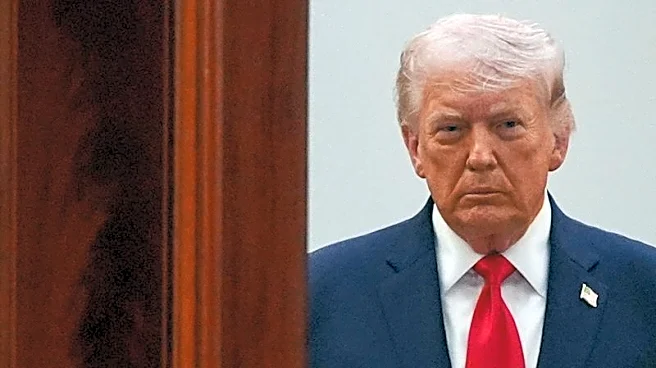
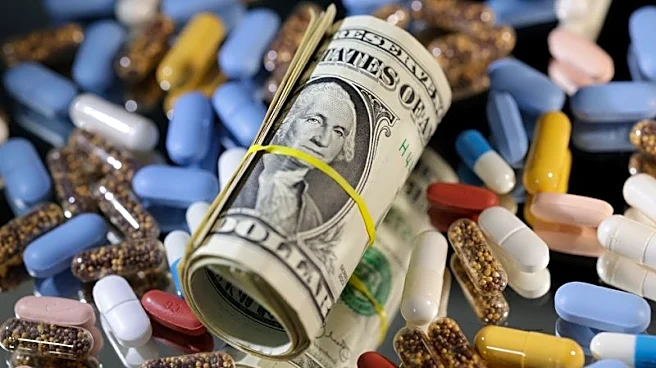
President Donald Trump is threatening to impose a 100% tariff on pharmaceutical companies that do not agree to lower U.S. drug prices. The tariffs will apply to branded drugs and their active ingredients,
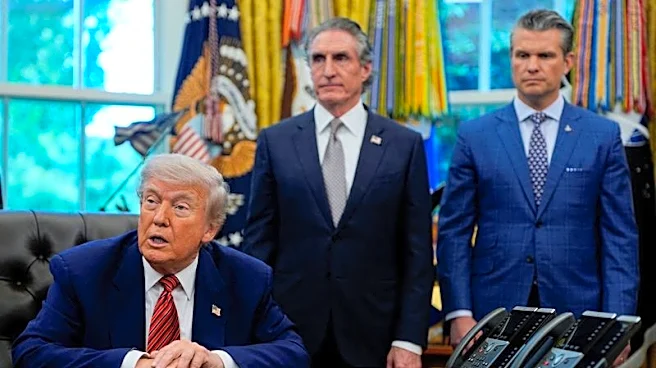
while generic drugs are exempt for at least one year. Companies that enter pricing agreements with the White House and increase domestic production can avoid the tariffs. The administration has already secured exemptions for several major drugmakers. The policy aims to pressure drugmakers to align U.S. prices with those in other high-income countries, addressing the high cost of prescription medicines in the U.S.
Why It's Important?
This policy is part of the administration's broader effort to reduce prescription drug prices, a significant concern for American consumers. By imposing tariffs, the administration seeks to incentivize domestic production and reduce dependency on foreign manufacturers. However, the policy could create an 'unfair two-tiered system' that benefits larger companies with existing agreements. The pharmaceutical industry has expressed concerns about the potential impact on investments and innovation. The policy also reflects the administration's continued use of tariffs as a tool to influence trade and economic policy.
What's Next?
The administration will continue to negotiate with drugmakers to secure more pricing agreements and encourage domestic production. The policy's impact on drug prices and the pharmaceutical industry will be closely monitored. Legal challenges to the tariffs are possible, given the contentious nature of the administration's trade policies. The outcome of these negotiations and the response from the industry will be critical in determining the policy's success in achieving its goals.