









What's Happening?
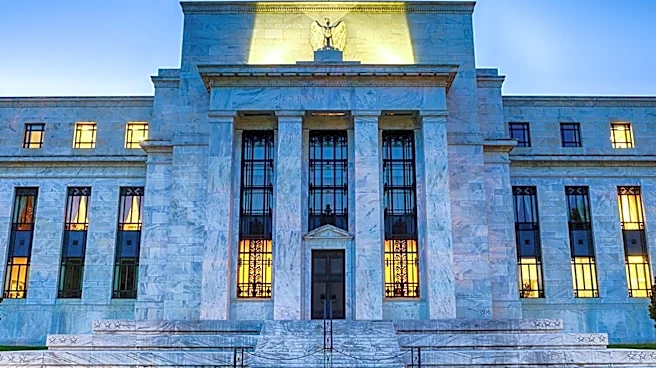
U.S. Senator Elizabeth Warren, Ranking Member of the Senate Banking, Housing, and Urban Affairs Committee, has launched an inquiry into a recent outage at the Federal Reserve’s National Information Center (NIC). The NIC is a critical data platform supporting
bank supervision, the discount window, and other essential Fed functions. Senator Warren sent a request for information to Federal Reserve Vice Chair for Supervision Michelle Bowman, questioning whether a 30% reduction in staffing within the Division of Supervision and Regulation contributed to the outage. The outage reportedly lasted at least 48 hours around August 5, 2026. Additionally, Senator Warren sent letters to Vice Chair Bowman, Comptroller of the Currency Jonathan Gould, and Federal Deposit Insurance Corporation Chairman Travis Hill, expressing concerns about the impact of bank examiner workforce cuts on the oversight of banks’ technology-focused third-party service providers, including those related to artificial intelligence.
Why It's Important?
This inquiry by Senator Warren highlights significant concerns regarding the operational integrity of critical financial infrastructure and the potential risks associated with workforce reductions in regulatory bodies. A prolonged outage at the Federal Reserve's NIC could have far-reaching implications for the stability and oversight of the U.S. banking system, potentially affecting bank supervision, liquidity management, and overall financial market confidence. The questioning of whether staffing cuts contributed to the outage raises broader issues about the balance between cost-saving measures and maintaining essential regulatory capabilities. Furthermore, the focus on oversight of third-party technology providers, especially in the context of AI, underscores the evolving challenges faced by financial regulators in a rapidly digitizing financial landscape, where technological dependencies can introduce new vulnerabilities.
What's Next?
Federal Reserve Vice Chair Michelle Bowman is expected to respond to Senator Warren's request for information, providing details on the nature, impact, and causes of the NIC outage, as well as how the Fed responded. The inquiry will likely lead to a closer examination of the Federal Reserve's IT infrastructure, maintenance protocols, and staffing levels within its regulatory divisions. Depending on the findings, there could be calls for increased funding, revised staffing policies, or enhanced oversight mechanisms for critical financial data systems. The broader concern about the impact of workforce cuts on the oversight of third-party technology providers may also prompt new guidelines or regulations for banks engaging with AI-related vendors, potentially influencing the adoption and management of advanced technologies in the financial sector.
Beyond the Headlines
Senator Warren's inquiry delves into the deeper implications of technological reliance and human capital within critical government functions. The incident at the NIC could expose vulnerabilities in the nation's financial backbone, raising questions about cybersecurity resilience and disaster recovery planning for essential services. The debate over workforce cuts versus operational stability is a recurring theme in government, and this event could reignite discussions about the optimal staffing levels required to safeguard complex systems. Moreover, the mention of AI-related vendors in the context of third-party oversight points to the emerging regulatory challenges posed by advanced technologies. Ensuring that financial institutions can safely integrate AI while maintaining robust oversight will be crucial for preventing future systemic risks and protecting the broader economy.