




What's Happening?
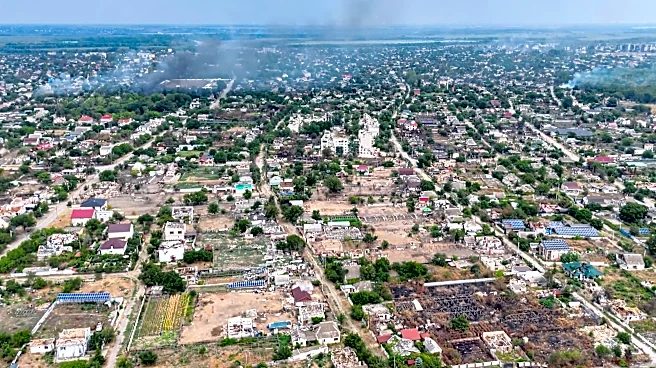
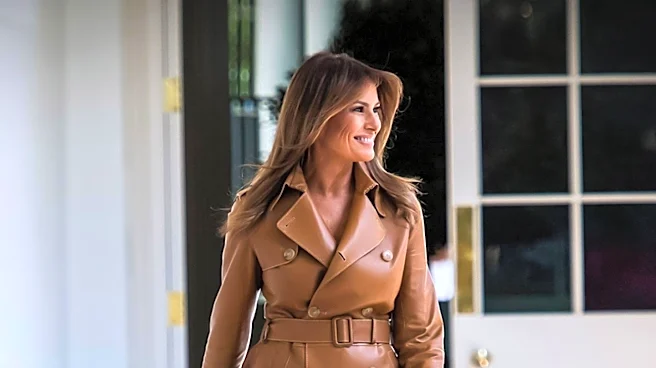
A local ceasefire has commenced around Oleshky, a Ukrainian town in the southern Kherson region under Russian occupation, to facilitate humanitarian aid and civilian evacuation. The pause in fighting, which began on Tuesday, was brokered by U.S. First
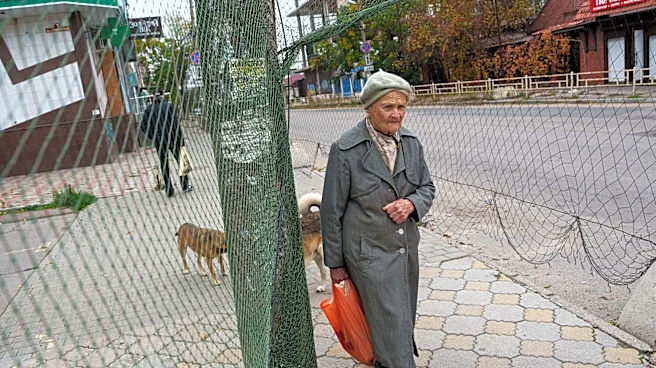
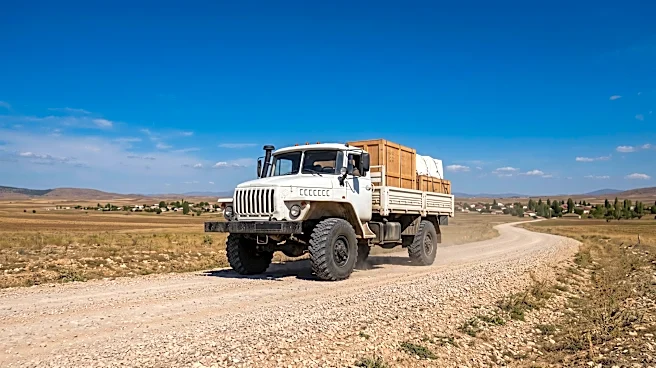
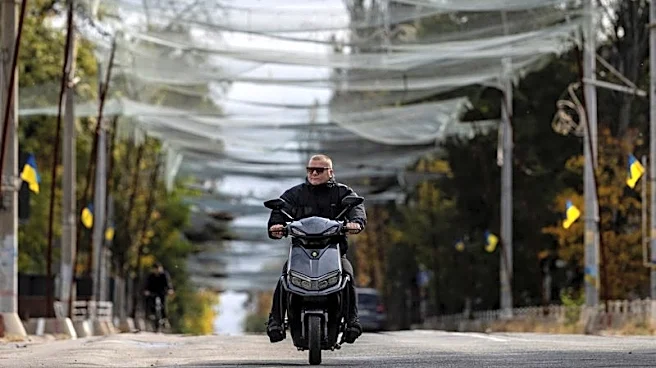
Lady Melania Trump. Both Ukrainian and Russian officials have confirmed the suspension of military activities for this humanitarian operation. Residents of Oleshky have endured months without running water or electricity, facing desperate conditions and dwindling food and medical supplies. The town, which fell under Russian occupation in February 2022, has seen its population significantly decrease from 24,000 to a few thousand. The ceasefire is intended to allow the delivery of essential supplies like food, medicine, and water, and to open evacuation corridors for the estimated 2,000 remaining inhabitants. The exact geographical scope of the ceasefire is described by Ukrainian officials as a 'delimited zone' around Oleshky, while Russian officials refer to it as 'the Kherson area.'
Why It's Important?
This U.S.-brokered ceasefire marks a significant, albeit localized, diplomatic intervention in the ongoing conflict, highlighting the severe humanitarian crisis in Russian-occupied territories. The involvement of U.S. First Lady Melania Trump in negotiating this truce is notable, as she has not been publicly involved in such negotiations previously. This development underscores the international community's concern for civilian welfare and the urgent need for humanitarian access in conflict zones. The success of this ceasefire could set a precedent for future localized truces, potentially offering a model for addressing humanitarian needs in other besieged areas. For the U.S., this initiative demonstrates a commitment to humanitarian efforts and a willingness to engage in diplomatic channels to alleviate suffering, even amidst broader geopolitical tensions. The dire conditions in Oleshky, with residents surviving on minimal provisions and facing dangers from drones and landmines, emphasize the critical importance of such pauses in hostilities.
What's Next?
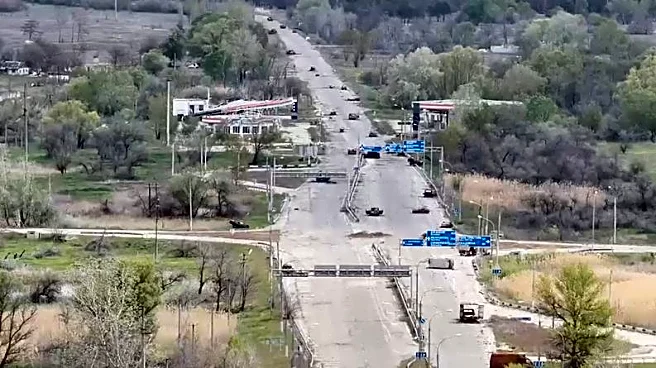
The ceasefire is expected to last into early November, during which humanitarian aid will be brought in, key roads will be demined, and residents will be evacuated. The immediate focus is on delivering medicine, food, and water to Oleshky and establishing safe evacuation routes. The success of this initial phase will be crucial in determining if similar humanitarian corridors can be established elsewhere. While the truce brings a temporary respite, many residents in the nearby Ukrainian-held city of Kherson remain wary, fearing that Russia might use the pause to regroup, stockpile drones, and bring in more forces. Ukrainian officials will likely monitor Russian adherence to the ceasefire terms closely, and international observers will be watching for any violations. The broader implications for future peace talks or de-escalation efforts remain uncertain, but the current focus is on ensuring the safe passage of aid and civilians.
Beyond the Headlines
The Melania Trump-brokered ceasefire in Oleshky highlights the complex interplay between humanitarian imperatives and geopolitical realities in conflict zones. While offering immediate relief, such localized truces often carry deeper implications, including the potential for either building trust or being exploited for military advantage. The involvement of a high-profile, non-traditional diplomatic figure like the U.S. First Lady adds an unusual dimension, potentially bypassing conventional diplomatic stalemates but also raising questions about the sustainability and scalability of such efforts. This event also draws attention to the psychological toll of prolonged conflict on civilians, as evidenced by residents in Kherson finding the sudden quiet unsettling and fearing future attacks. The ongoing struggle for basic necessities and the constant threat of violence underscore the profound human cost of war, making any pause, however brief, a moment of both hope and apprehension.