





What's Happening?
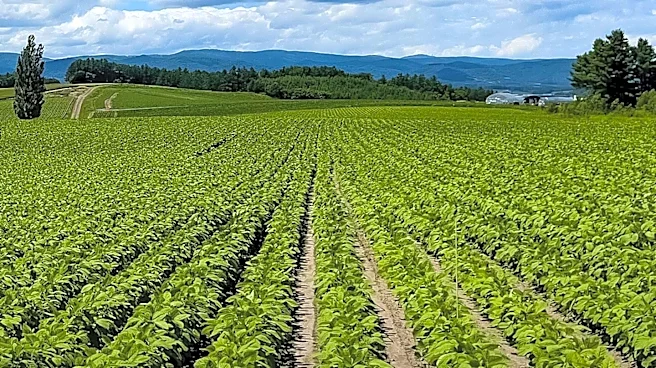
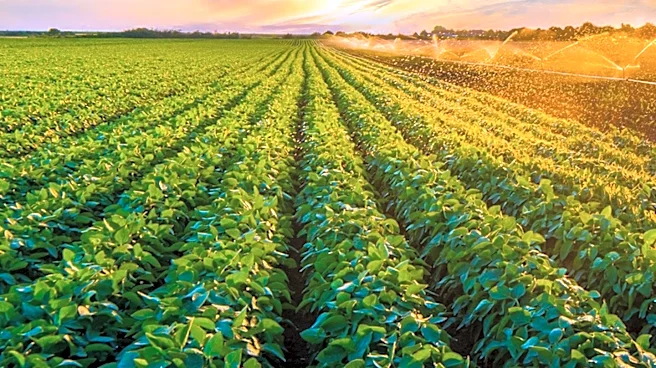
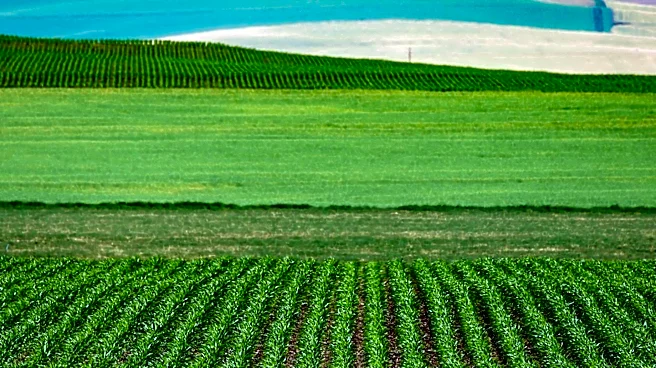
The USDA has significantly expanded its regenerative agriculture initiatives, with nearly 40 million acres now enrolled in such practices as of fiscal year 2023. This marks a 360% increase over the past decade. The USDA's $700 million Regenerative Pilot
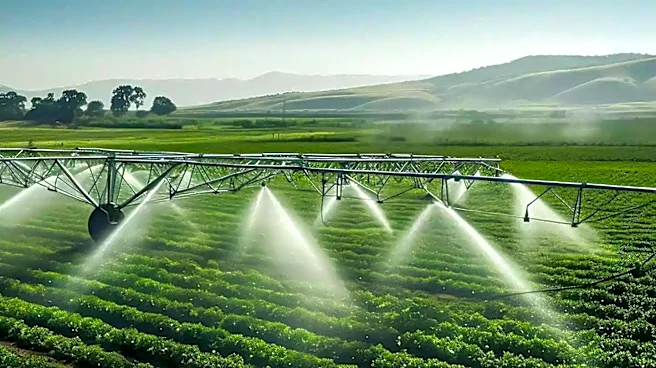
Program (RPP) supports farmers in adopting conservation practices that enhance soil health and water quality. Key practices include grazing management, pest management, nutrient management, and cover crops. These efforts are part of a broader conservation strategy that covers nearly 70 million acres across the U.S., demonstrating a strong commitment to environmental stewardship.
Why It's Important?
The expansion of regenerative agriculture practices is crucial for sustainable farming in the U.S. By improving soil health and water quality, these practices help mitigate environmental impacts and enhance agricultural productivity. The USDA's financial and technical support enables farmers to adopt these practices without compromising economic viability. This initiative not only supports environmental goals but also strengthens the agricultural sector by promoting resilience against climate change and resource depletion. The program's success could serve as a model for other countries seeking to balance agricultural productivity with environmental conservation.
What's Next?
The USDA will continue to roll out the Regenerative Pilot Program, with significant funding allocated to conservation practices under the Environmental Quality Incentives Program and the Conservation Stewardship Program. As more farmers adopt regenerative practices, the USDA aims to further increase the acreage under conservation management. This ongoing expansion is expected to enhance the sustainability of U.S. agriculture, potentially influencing global agricultural policies. Stakeholders, including farmers, policymakers, and environmental groups, will likely monitor the program's impact on both the environment and agricultural productivity.