









What's Happening?
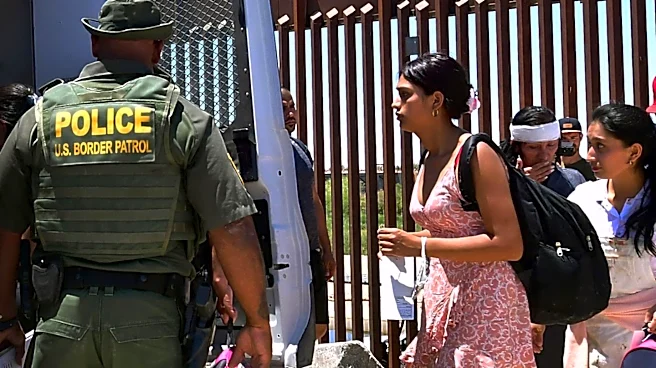
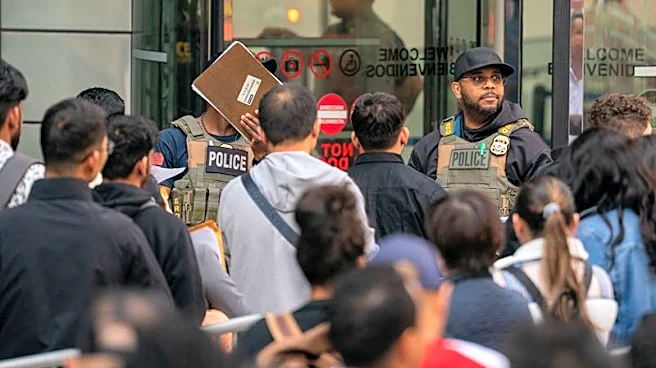
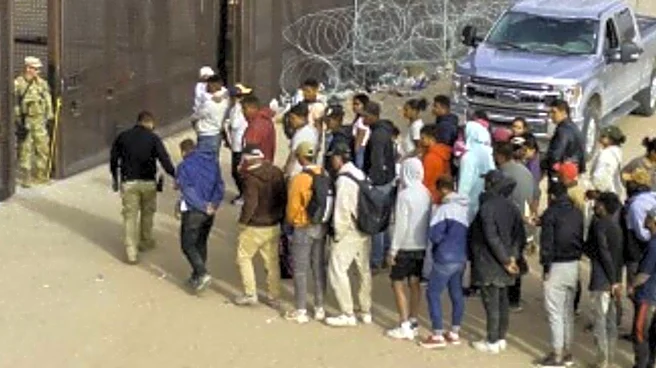
The Trump administration has identified over 500 unaccompanied migrant children in U.S. custody for potential removal, according to Senator Ron Wyden. This move is part of a broader effort to address the status of migrant children who arrived alone at the U.S. southern
border. The administration's focus is on children who have been in custody for at least six months without a U.S.-based sponsor. This initiative follows a previous attempt to repatriate Guatemalan children, which was halted by a federal judge. The administration claims the goal is to reunite children with their families in their home countries, but concerns have been raised about the potential risks to the children's safety.
Why It's Important?
This development highlights ongoing tensions in U.S. immigration policy, particularly concerning the treatment of vulnerable populations such as unaccompanied minors. The potential removal of these children raises ethical and legal questions about the U.S.'s commitment to protecting human rights and providing due process. The situation could impact U.S. relations with countries of origin and influence domestic debates on immigration reform. The administration's actions may also affect public perception and advocacy efforts related to migrant rights.
What's Next?
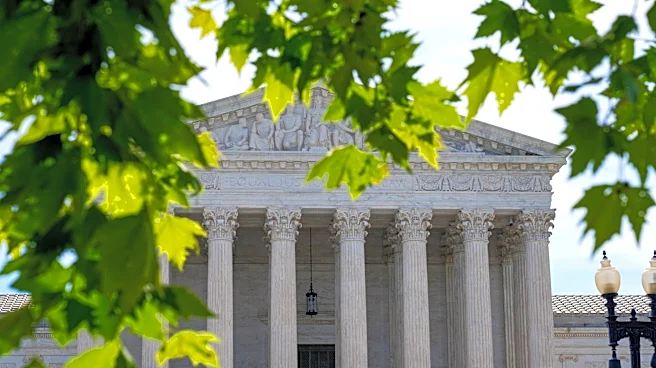
The administration's plans are likely to face legal challenges and public scrutiny. Advocacy groups and legal experts may seek to block the removals, arguing for the children's right to seek asylum or other protections. The outcome of these efforts could shape future immigration policies and the handling of unaccompanied minors. Additionally, the administration's approach may influence upcoming legislative discussions on immigration reform and border security.