






What's Happening?
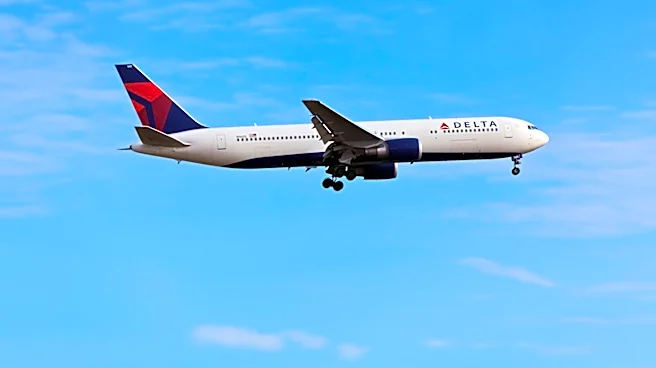
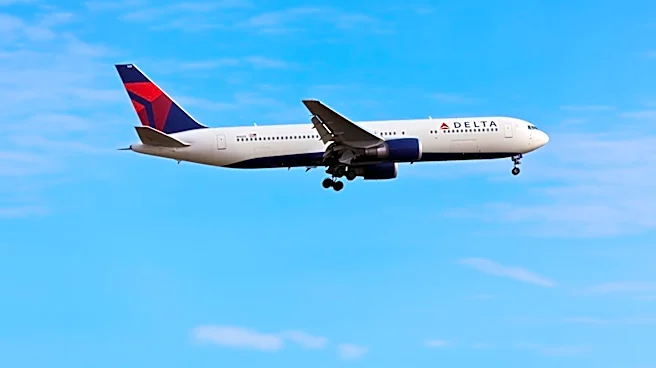
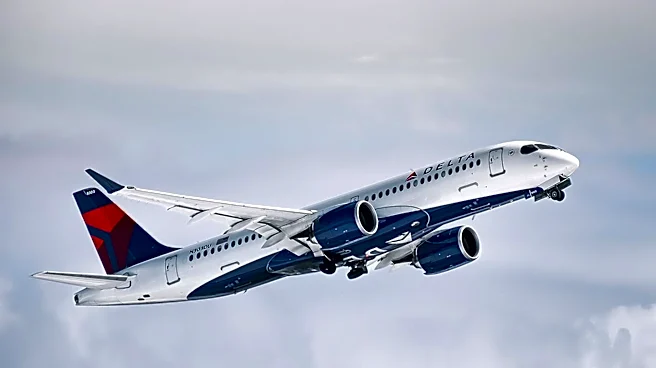
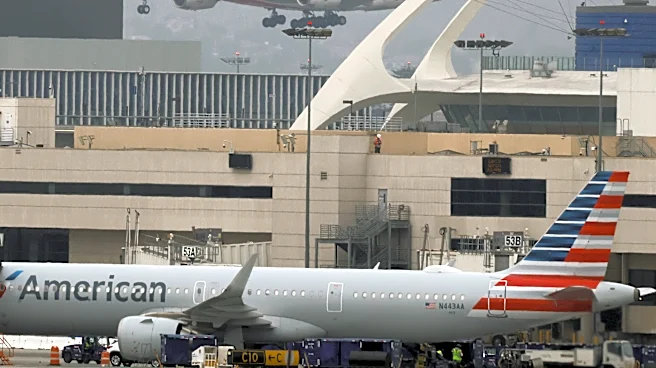
Delta Air Lines canceled 2.42% of its network flights between January and August 2026, a figure that is lower than American Airlines' cancellation rate of 3.22% for the same period. This data, compiled from the Department of Transportation's monthly tables,
indicates that a cancellation was approximately one-third more likely on an American Airlines booking. Both airlines experienced an increase in cancellation rates compared to the first half of 2025, where Delta canceled 1.22% and American canceled 2.69%. Delta's first-half rate in 2026 roughly doubled to 2.35%. A significant factor contributing to these rates is the operation of flights by regional partners; 37.4% of Delta's flights were flown by Delta Connection carriers, while 51.5% of American's flights were operated by American Eagle regional partners. Regional partners generally have higher cancellation rates than mainline operations for both airlines.
Why It's Important?
The disparity in flight cancellation rates between Delta Air Lines and American Airlines has direct implications for passenger travel reliability and airline competitiveness within the U.S. market. A lower cancellation rate for Delta suggests a more dependable travel experience, which can influence consumer choice and loyalty. For passengers, this means a reduced likelihood of disruptions to their travel plans, potentially saving time and mitigating stress associated with unexpected cancellations. From an industry perspective, Delta's better performance in this metric could enhance its brand reputation and market share, especially among business travelers and those prioritizing punctuality. Conversely, American Airlines faces the challenge of improving its operational efficiency, particularly concerning its regional partners, to meet passenger expectations and compete more effectively. The increased cancellation rates for both airlines compared to the previous year highlight broader operational challenges within the aviation sector, possibly due to factors like staffing shortages, weather events, or air traffic control limitations, impacting overall air travel reliability.
What's Next?
Airlines are likely to continue focusing on operational improvements to minimize flight cancellations and delays, especially given the observed increase in cancellation rates from 2025 to 2026. American Airlines, in particular, may face pressure to address the higher cancellation rates among its regional partners, potentially through enhanced coordination, resource allocation, or revised operational strategies. Passengers can expect airlines to continue offering rebooking options at no additional cost for canceled or significantly delayed flights, as is standard policy. Travelers are advised to check flight statuses frequently, especially during peak travel seasons, and to contact airlines directly for major disruptions. The Department of Transportation will likely continue to monitor and report on these metrics, providing ongoing transparency into airline performance and potentially influencing regulatory discussions around passenger rights and airline accountability.
Beyond the Headlines
The trend of increasing flight cancellations, even with one airline performing better than another, points to systemic vulnerabilities within the U.S. air travel infrastructure. The reliance on regional partners, while cost-effective for airlines, introduces an additional layer of complexity and potential for disruption, as evidenced by their higher cancellation rates. This raises questions about the long-term sustainability of current operational models and the balance between efficiency and resilience. Furthermore, the impact extends beyond mere inconvenience, affecting economic productivity due to missed business meetings, and personal well-being due to disrupted family plans. The data also underscores the importance of robust consumer protection measures and transparent communication from airlines, as passengers increasingly rely on real-time information to navigate travel uncertainties. The ongoing challenge for the aviation industry will be to adapt to evolving operational demands while maintaining passenger trust and ensuring reliable service.