




What's Happening?
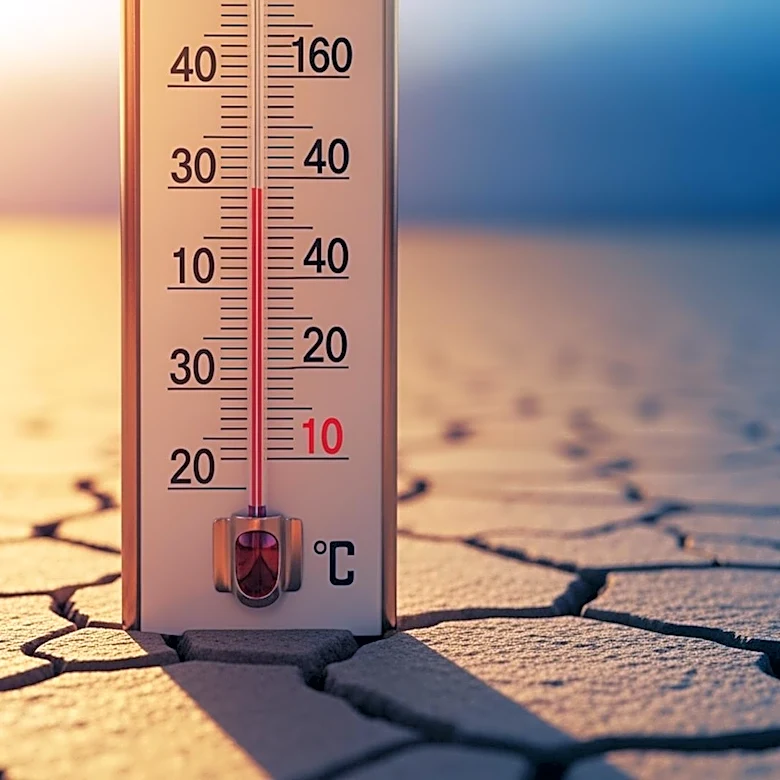
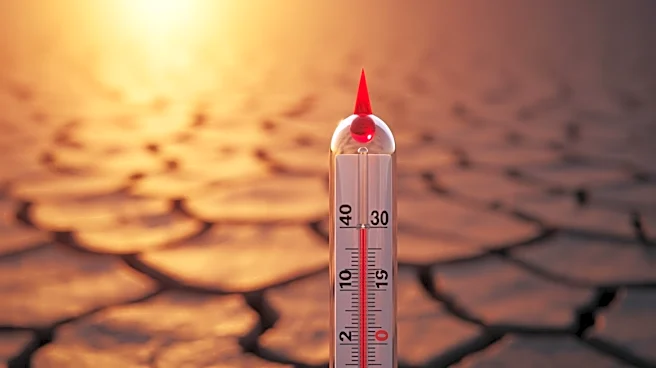
The contiguous United States is experiencing a dramatic shift in weather patterns, transitioning from record-breaking heat to freezing temperatures. This change is attributed to cold air sweeping southward from Alaska, which has been unusually cold and
snowy. Cities like Denver are seeing temperatures drop from 77 degrees to potential snow, while the Plains, Midwest, and Northeast brace for freezing conditions. The National Weather Service warns of widespread blossom loss due to early blooms from previous warmth. Nearly 100 million people across the U.S. are expected to face freezing temperatures.
Why It's Important?
This temperature whiplash highlights the volatility of current weather patterns, which can have significant impacts on agriculture, energy consumption, and public health. The sudden drop in temperatures could damage crops and disrupt planting schedules, affecting food supply and prices. Energy demand may spike as heating needs increase, potentially straining resources. The shift also underscores the broader implications of climate change, as unusual weather patterns become more frequent and unpredictable.
What's Next?
Meteorologists predict that the cold spell will continue into next week, with the potential for more snow and freezing temperatures. The North Atlantic Oscillation is expected to enter a negative phase, increasing the likelihood of cooler conditions in the Central and Eastern U.S. Stakeholders in agriculture and energy sectors may need to adapt quickly to mitigate potential losses. Public advisories will likely continue to inform residents about safety measures during extreme weather.
Beyond the Headlines
The unusual cold in Alaska and its impact on U.S. weather patterns raises questions about the interconnectedness of global climate systems. It highlights the need for comprehensive climate models that can better predict such events. The situation also prompts discussions on the resilience of infrastructure and communities in the face of climate variability, emphasizing the importance of sustainable planning and investment.